
Last updated November 2, 2026
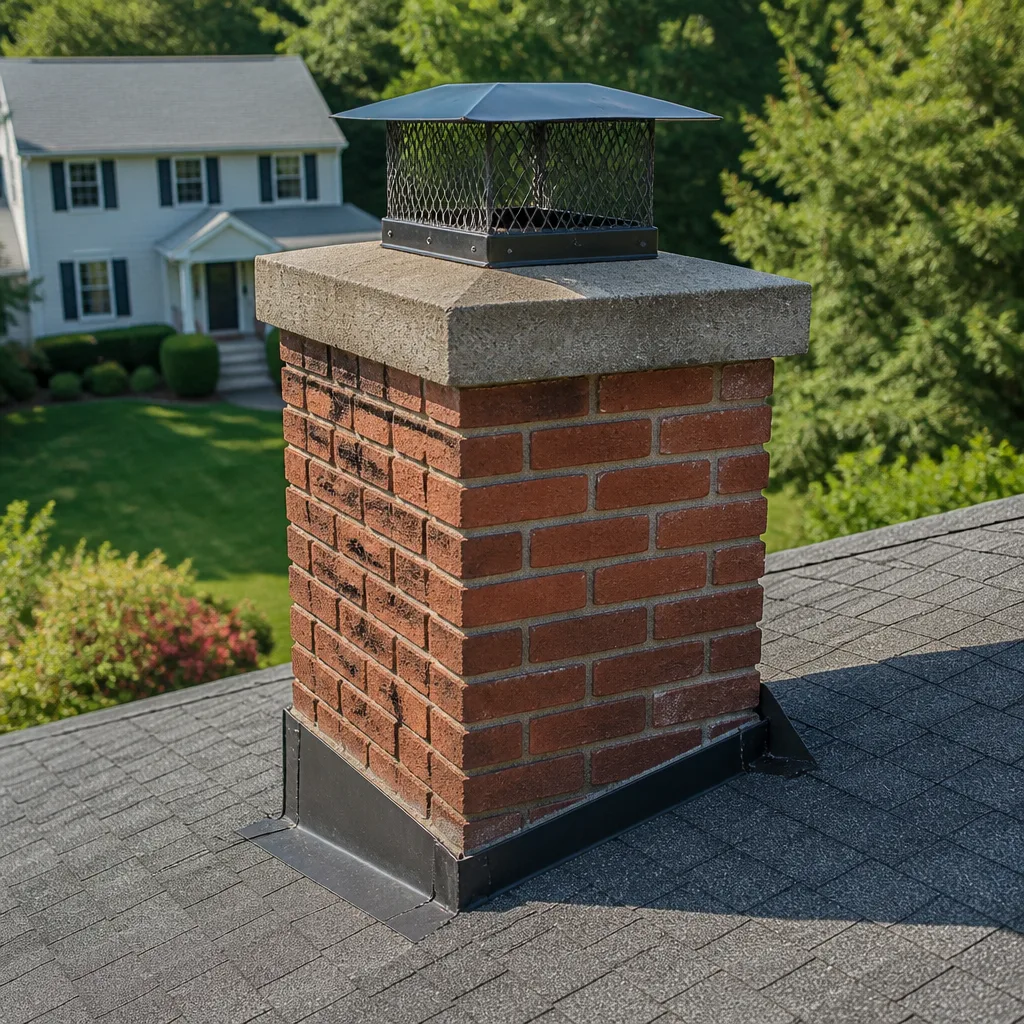 Sweep & inspection
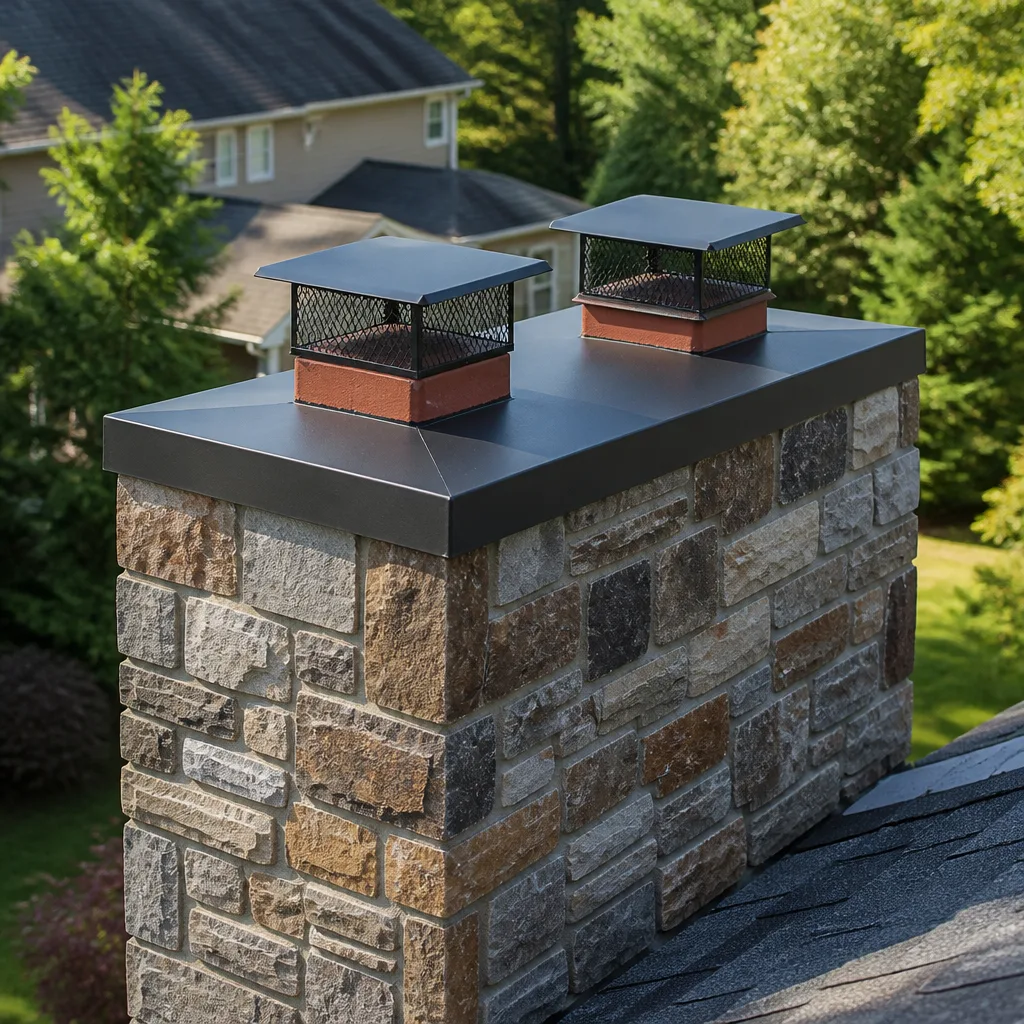 Caps & crowns
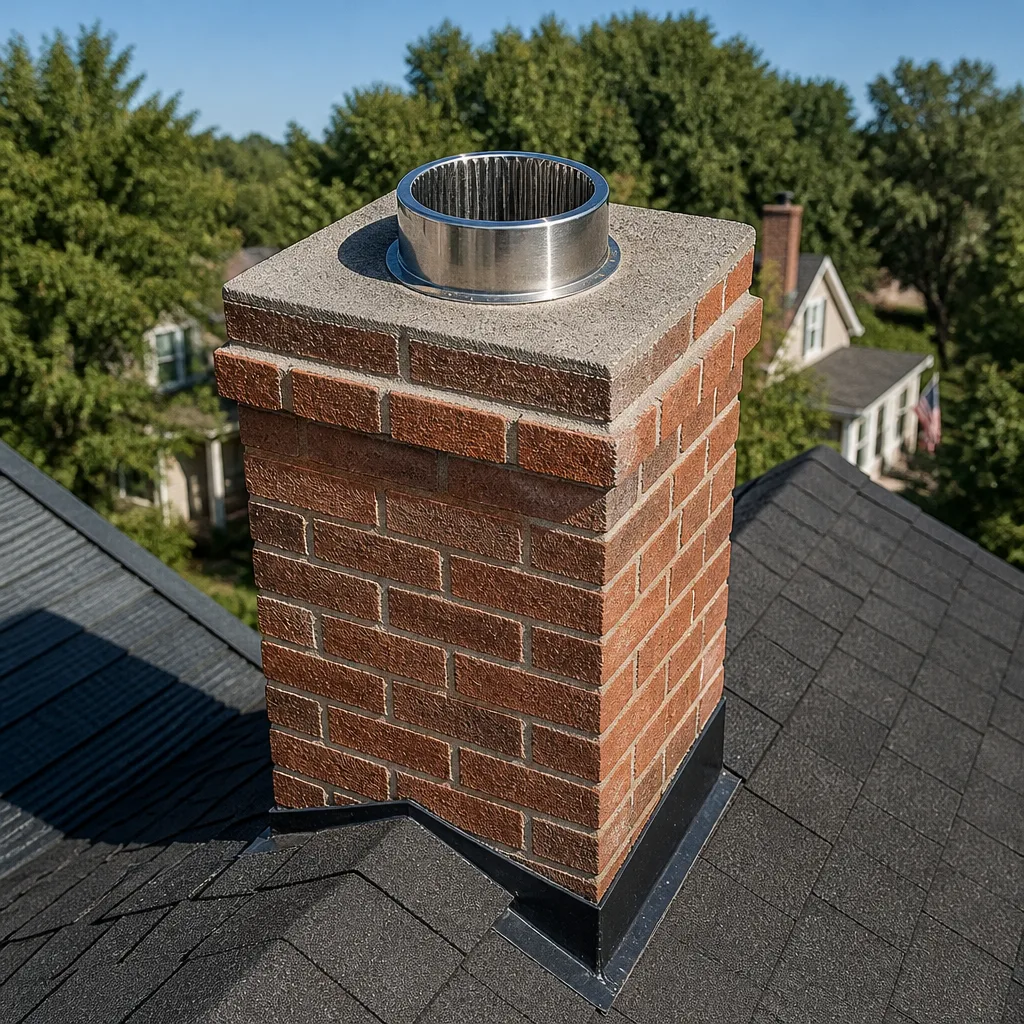 Flue relining
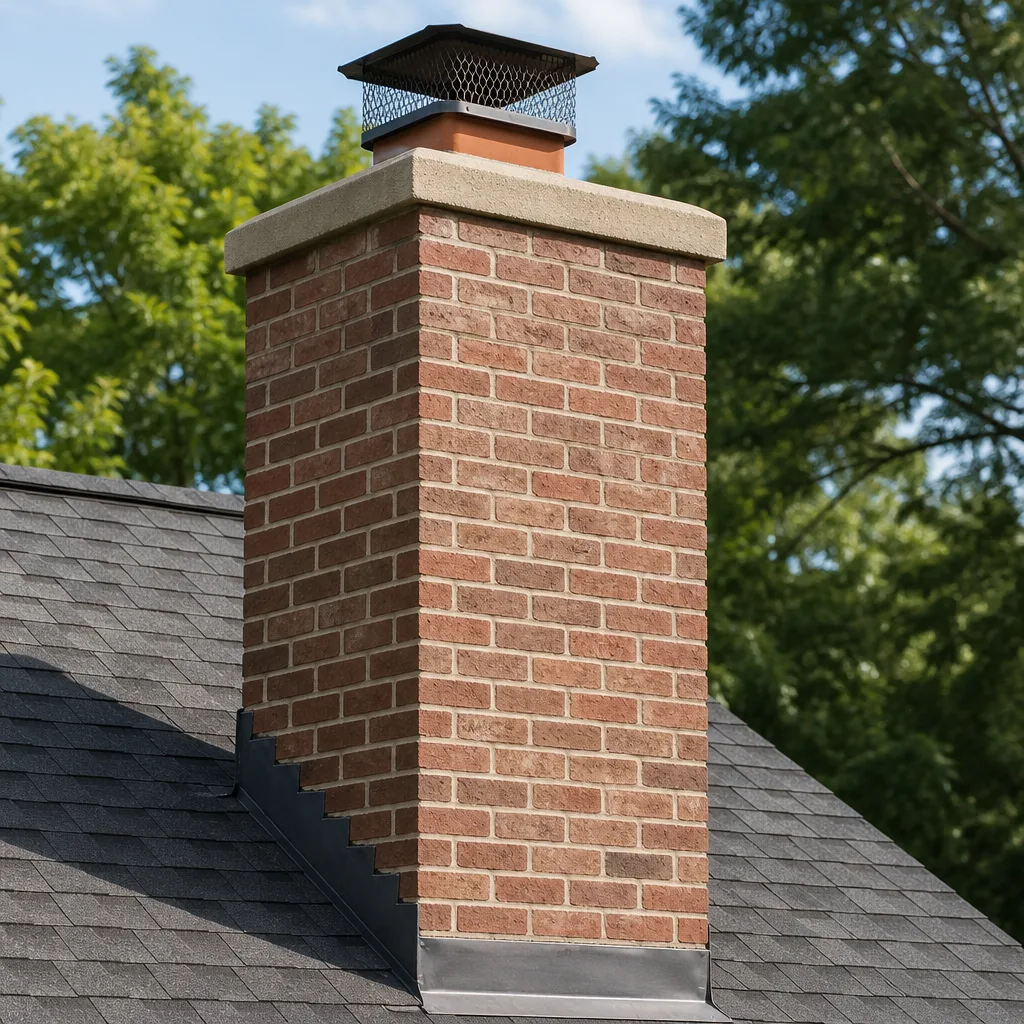 Masonry repair
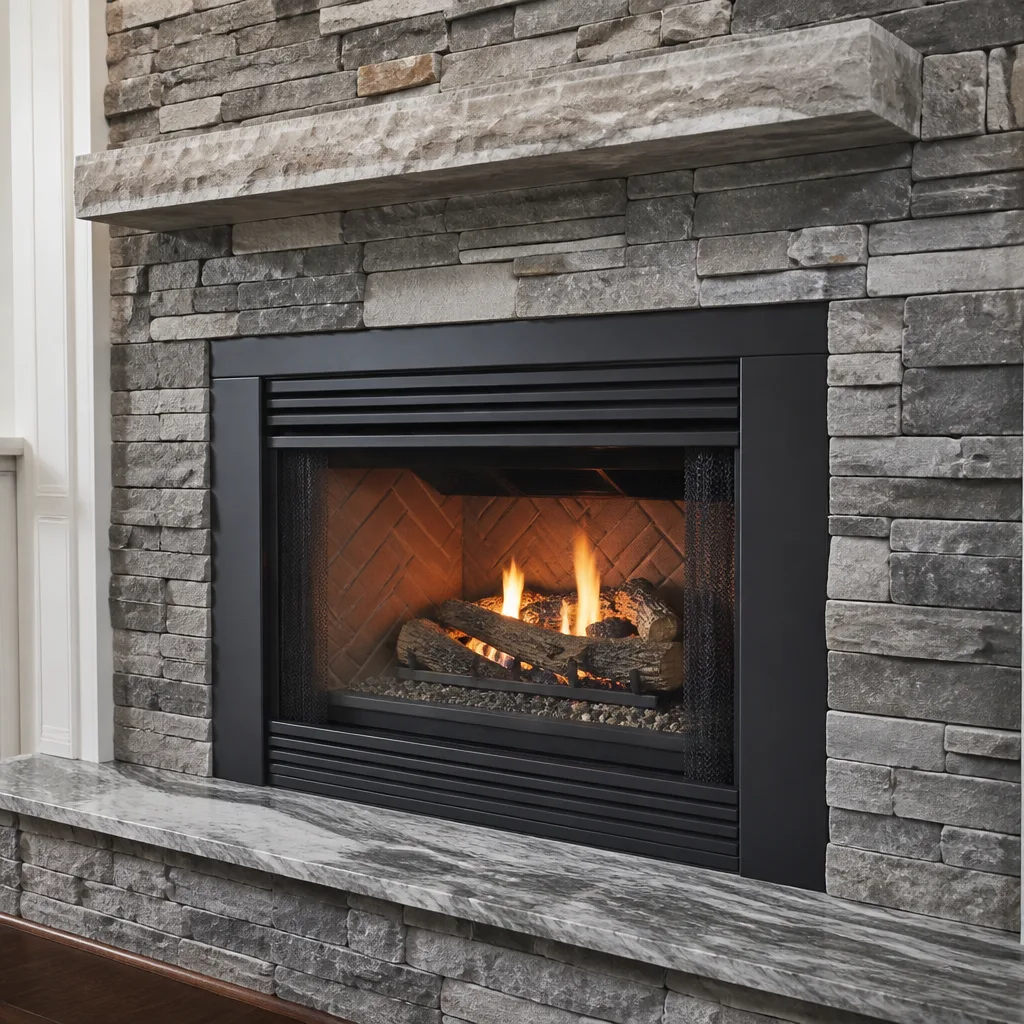 Gas fireplace service
Level 1 sweep and inspection to the NFPA 211 annual standard - flue, crown, cap, and flashing checked and photographed
Chimney sweep logs do not sweep chimneys. They loosen some creosote - which then falls where a brush and vacuum still have to collect it.
DIY vs Professional Chimney Cleaning: The La Habra Homeowner’s Decision Guide
Most chimney fires in La Habra don’t start because a homeowner skipped cleaning entirely. They start because a homeowner cleaned wrong. A hardware-store brush kit will pull loose soot off the flue walls, and that feels like progress. But the dangerous deposits, the ones that actually ignite, sit higher up where consumer tools can’t reach, and the structural warning signs sit behind them where a brush never goes. This guide will walk you through what DIY can honestly accomplish, what it can’t, and how to make the call for your specific fireplace without spending money you don’t need to spend. For the La Habra homeowner’s cost reference for 2026, see our detailed breakdown.
Quick Answer
DIY chimney cleaning is reasonable for light-use wood-burning fireplaces with no prior damage history and a professional inspection within the last 12 months, but it’s not a substitute for what a camera sees. A professional sweep in La Habra costs more than a $60 brush kit because it includes flue-camera inspection, creosote-stage assessment, and catch problems like hairline liner cracks before they become structural failures. If your home was built before 1990 and you haven’t had a pro out in two or more years, start with an inspection, not a brush. See our step-by-step guide to hiring a chimney cleaning contractor in La Habra to know what to ask.
Styles & brands we work with
- Sweep & inspection
- Caps & crowns
- Flue relining
- Masonry repair
- Gas fireplace service
Table of Contents
- What DIY Actually Does (and What It Literally Cannot Do)
- The Realistic DIY Scenario: When a Brush Kit Is Good Enough
- Where DIY Creates Downstream Costs
- The Equipment Gap: Consumer Kits vs Professional Rigs
- A Decision Framework for La Habra Homeowners
- What La Habra’s Housing Stock and Climate Mean for Your Chimney
- Common Mistakes to Avoid
- When to Call a Professional
What DIY Actually Does (and What It Literally Cannot Do)
A rotary brush kit from your local hardware store does one thing: it knocks loose first-stage creosote from the flue walls in the lower section of your chimney. That’s it. First-stage creosote is the soft, flaky, brownish deposit that forms when wood smoke cools before it exits. It’s the easiest to remove and the least dangerous of the three stages. If you burn seasoned hardwood and your fireplace drafts well, this might be all you have.
Here’s the physical reality of what you’re working with when you clean from inside the firebox:
- You can reach the firebox and lower flue. This is where loose soot and light creosote collect. A brush on flexible rods handles this fine.
- You cannot see the upper flue, smoke chamber, or crown. These sit 15 to 30 feet above you. Without a flue camera, you’re working blind on the sections where second and third-stage creosote accumulate from cooling smoke.
- You cannot assess the smoke shelf. The smoke shelf, the flat area behind the damper, collects debris and creosote in ways that a brush from below often misses entirely.
- You cannot identify hairline liner cracks. Clay tile liners crack from heat stress over decades. A crack the width of a credit card is invisible to the naked eye from the firebox, but it’s wide enough to let heat and gases into the chimney chase.
- You cannot determine glazed creosote coverage. Third-stage creosote looks like shiny black tar fused to the flue wall. A wire brush skates over it. Removing it usually requires chemical treatment or mechanical removal with a power sweeping head and special chains, not a consumer brush.
We see this regularly in La Habra homes built in the 1960s and 1970s: a homeowner runs a brush up the flue, sees dark stuff fall, feels good about the effort, and the glazed layer at the top never moves. The fireplace looks clean from the living room. It isn’t.
The Realistic DIY Scenario: When a Brush Kit Is Good Enough
We’re not going to tell you every homeowner needs a professional visit every year, because that’s not true. There’s a narrow but legitimate band of circumstances where a DIY sweep is a sensible maintenance step between professional inspections.
Here’s what that scenario looks like:
- Your fireplace is wood-burning and used fewer than 10 times per year, primarily for ambiance, not as a heat source.
- A professional inspected your chimney within the last 12 months and found no liner damage, no third-stage creosote, and no structural concerns.
- You burn only seasoned hardwood with a moisture content below 20 percent. Green or wet wood produces smoke that cools faster and deposits creosote faster.
- Your home is not in a coastal fog pocket or an area with frequent temperature swings that cause condensation inside the flue.
- You have no visible signs of trouble: no white staining on the exterior brick, no smoke backing up into the room, no strong odor from the fireplace when it’s not in use.
Under those conditions, a $60 to $100 brush kit used carefully can knock loose the light deposits from casual use, and that’s exactly what it’s designed to do. The key word is between. DIY works as a stop-gap when a professional already established the baseline. It does not work as a starting point when you’ve never had a camera inspection.
Where DIY Creates Downstream Costs
The expensive chimney repairs in La Habra are rarely caused by neglect alone. They’re caused by neglect plus a false sense of security. A homeowner sweeps the accessible part of the flue, assumes the whole system is fine, and skips the professional check that would have caught the issue while it was still cheap to fix.
Here’s where that happens most often:
- Missing second-degree creosote that converts to third-degree. Second-stage creosote is crunchy and flaky, and a stiff brush removes it. But if it’s sitting up in the smoke chamber where your brush never reaches, it bakes with each fire and converts to the glazed, tarry third stage. Third-stage creosote is the primary fuel for chimney fires. It burns at over 2,000 degrees Fahrenheit and can crack liner tiles and warp the chimney structure.
- Disturbing liner tiles without recognizing damage. A stiff brush on a clay tile liner that’s already cracked from heat stress can chip it further. If you can’t see the cracks, you can’t know you’re making them worse. A cracked liner is not a cleaning problem. It’s a structural problem that requires repair or relining.
- Improper brush sizing. Consumer kits come in one or two diameters. Flues range from 6-inch to 12-inch depending on the appliance. A brush that’s too small skips portions of the wall. A brush that’s too large gets stuck or scrapes liner material. Fireplace and stove flues are not interchangeable.
- Skipping the post-sweep inspection. After you brush, you need to verify the flue is clear through its entire run. A homeowner cannot see past the first bend. If a chunk of creosote broke loose and lodged in the smoke shelf or above the damper, you’ve now partially blocked your own flue and won’t know it until smoke backs up into the living room.
- Using chemical “cleaning logs” as a substitute. The products sold as chimney cleaning logs are meant to reduce first-stage creosote buildup between proper cleanings. They do not remove third-stage glazed creosote, and they don’t inspect anything. Relying on them as your cleaning method is like changing your car’s oil by adding a fuel additive.
The Equipment Gap: Consumer Kits vs Professional Rigs
The difference between professional chimney cleaning and DIY isn’t effort. It’s not that we try harder. It’s that the equipment exists on a different tier, and that equipment exists for a reason.
A consumer brush kit typically includes: a wire or poly brush head, four to six fiberglass or plastic rods, a tarp or drop cloth, and maybe a small hand mirror. Total cost: $50 to $150.
What a professional sweep brings to a La Habra job differs by company, but a service that takes chimney repair work as well as cleanings will carry a much deeper kit than a sweep-and-go operation. At Chimney Sweep La Habra, our van carries Copperfield-grade rods, which are commercial steel-connected rods designed to resist torquing and separation inside flues, not the twist-together fiberglass rods in consumer kits. The difference matters when a rod comes apart 20 feet up and you have to retrieve it. Copperfield rods are what we use because a separated rod in a flue is a service call, not a minor inconvenience.
The bigger hardware difference is on the inspection side:
- Flue cameras. A professional sweep in the modern era runs a camera up the flue after brushing and records video of the entire interior. Homeowners with a $60 kit cannot see the upper flue, period. The camera is not an upsell; it’s how you verify the cleaning worked and the liner is intact.
- Power sweeping heads. Third-stage creosote does not respond to a hand brush. Commercial setups use rotating heads driven by a drill motor, with chain whips designed to mechanically break the glaze. No consumer kit offers this.
- Chemical treatment options. For glazed creosote in hard-to-reach sections, professionals use chemical treatments that convert or loosen the deposit, often combined with mechanical removal. These chemicals are not sold at retail, and applying them without training inside a fireplace can damage the firebox or produce harmful fumes.
- Vacuum and containment systems. A proper chimney sweep includes high-volume dust collection so that fine soot doesn’t blow through the house. Consumer kits generally mean opening windows and hoping. If your fireplace is in a furnished room, this matters more than most people expect.
We stock professional-grade equipment and materials because our work doesn’t stop at cleaning. Our service covers chimney sweeping, chimney repair, and dryer vent work, which means the van carries the hardware to act on what the camera finds. A compromised flue in a La Habra home is often repairable with a HeatShield restoration rather than a full liner replacement, and that’s the kind of capability that only exists when the company showing up is equipped for repair, not just brushing. If you’re comparing quotes for a sweep, ask what happens after the camera shows damage. If the answer is “we’ll refer you,” you’re not getting the same service.
A Decision Framework for La Habra Homeowners
Here’s the honest decision tree we’d walk you through if you called us and asked whether to DIY or book a sweep. No scare tactics, just the questions that matter.
- How old is your home? Houses built before 1990 in La Habra overwhelmingly have clay tile liners, and clay tile liners have already been through 30 to 70 years of heat cycling. Older liners are more likely to have cracks you can’t see. If your home is pre-1990 and hasn’t had a camera inspection in two or more years, call a professional. This isn’t a cleaning decision, it’s a safety inspection decision.
- How often do you use the fireplace? More than 20 fires per year pushes you into professional territory. That’s enough burn volume to build second-stage creosote even with good wood and good drafting.
- What was the result of your last professional inspection? If a pro cleared your flue within the last 12 months and handed you a clean report, DIY maintenance between visits is reasonable. If you can’t remember the last inspection or the report flagged anything, DIY is skipping the very thing you need.
- Do you have any warning signs? Smoke in the room, a persistent smell from the fireplace, visible dark staining on the chimney exterior, or a damper that doesn’t seat right all indicate problems that brushing won’t fix. These flags mean repair territory, not cleaning territory.
- Can you accept incomplete information? This is the real question. If you brush and skip the camera, you’re accepting that you don’t know what’s in the upper flue. For some casual users, that’s acceptable. For a family with a pre-1990 home and regular wood burning, it’s a calculated risk with poor odds.
What La Habra’s Housing Stock and Climate Mean for Your Chimney
La Habra’s housing stock skews older than most of Orange County’s newer developments, and that matters for chimney health. A significant number of homes in La Habra were built between 1950 and 1980, which means original masonry chimneys with clay tile liners, many of which have never had a liner replaced. Some have been well maintained. Many haven’t. The ones that haven’t are where we find the problems.
Climate plays a role too. La Habra’s mild winters mean fireplaces are used seasonally rather than constantly, which creates a particular creosote pattern: long idle periods during warm months allow deposits to dry and harden, making them harder to remove when the burning season starts up again. Our seasonal chimney cleaning care guide for La Habra covers how to manage this year-round. The damage isn’t caused by heavy use; it’s caused by the cycle of moderate use and long static periods, which lets creosote set rather than stay soft.
There’s also the coastal influence to consider. La Habra sits far enough inland to avoid the worst marine layer, but the region still gets cool, humid nights in fall and winter. When warm flue gases hit a cold, damp flue, condensation forms on the interior walls, and that moisture traps soot particles and accelerates creosote bonding. This is one reason two identical homes in La Habra and Palm Springs can show completely different flue conditions after the same number of fires.
Our customer base spans La Habra and nearby communities, including South San Jose Hills, where the housing stock and usage patterns are similar. The same rule applies everywhere we work: if the home is older and the fireplace is original, the camera is not optional.
Common Mistakes to Avoid
- Cleaning without an inspection because “it looks fine.” The firebox is not the flue. A clean-looking firebox tells you nothing about the 20 feet of liner above it.
- Using a brush kit on a fireplace that’s never been professionally inspected. You’re cleaning around structural problems you can’t see. It’s like detailing a car with a cracked engine block.
- Assuming all creosote is the same. First-stage flakes off with a brush. Third-stage glaze may need chemical treatment and power sweeping. If you judge by what falls into the firebox, you’ll miss what’s stuck at the top.
- Ignoring the smoke shelf and damper area. This is where fine debris and creosote build up in ways that restrict draft and create a hidden fire load. A brush from below doesn’t address it.
- Skipping seasonal changes because “we barely use it.” Even light use produces deposits over time, especially with older flues and the damp La Habra winter air.
- Trusting a cleaning log to do what a brush can’t. Chemical logs soften light deposits. They’re a maintenance product, not a cleaning method, and they do nothing for inspection.
- Comparing quotes on price alone. A $99 sweep-and-go and a professional inspection with camera footage are not the same product. If the camera isn’t part of the service, you’re paying for brushing and nothing else.
When to Call a Professional
Call a professional if any of these apply: your home was built before 1990 and you haven’t had a flue camera inspection in the last two years, you’ve used the fireplace more than 20 times since the last cleaning, you see dark staining on the chimney exterior or in the attic near the chase, you smell smoke or soot when the fireplace is cold, or your damper no longer opens and closes properly. Any of these signals warrants trained eyes before another fire.
If you’re in La Habra and want a definitive answer instead of a guess, Chimney Sweep La Habra offers free estimates. Call (866) 747-8330 and we’ll run a camera up the flue and show you exactly what’s there. Our work covers chimney sweeping, dryer vent cleaning, and full Chimney Sweep La Habra home service, so whatever the camera finds, we’re equipped to address it, whether that’s a simple cleaning, a HeatShield flue restoration, or a DuraFlex relining. When you call, the answer you get is based on what we actually see, not what we assume.
See the difference
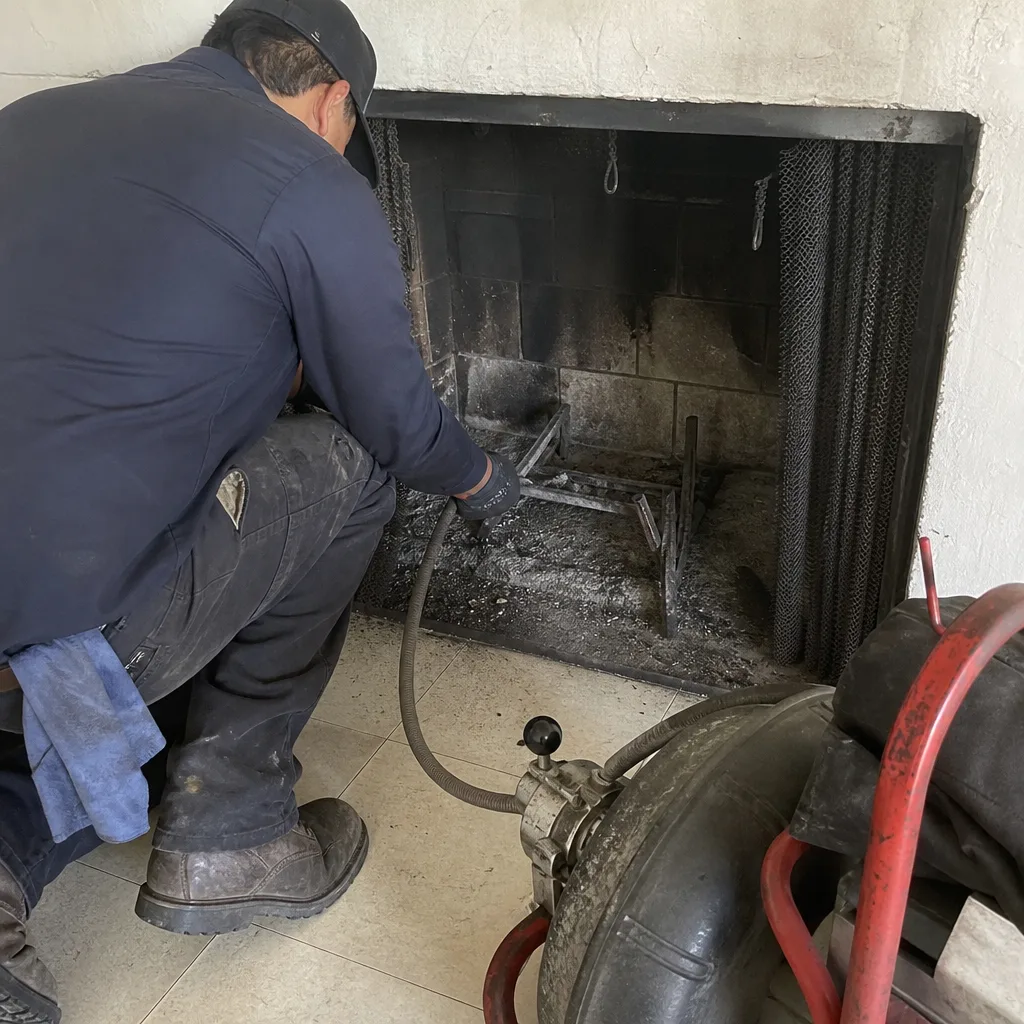 Before
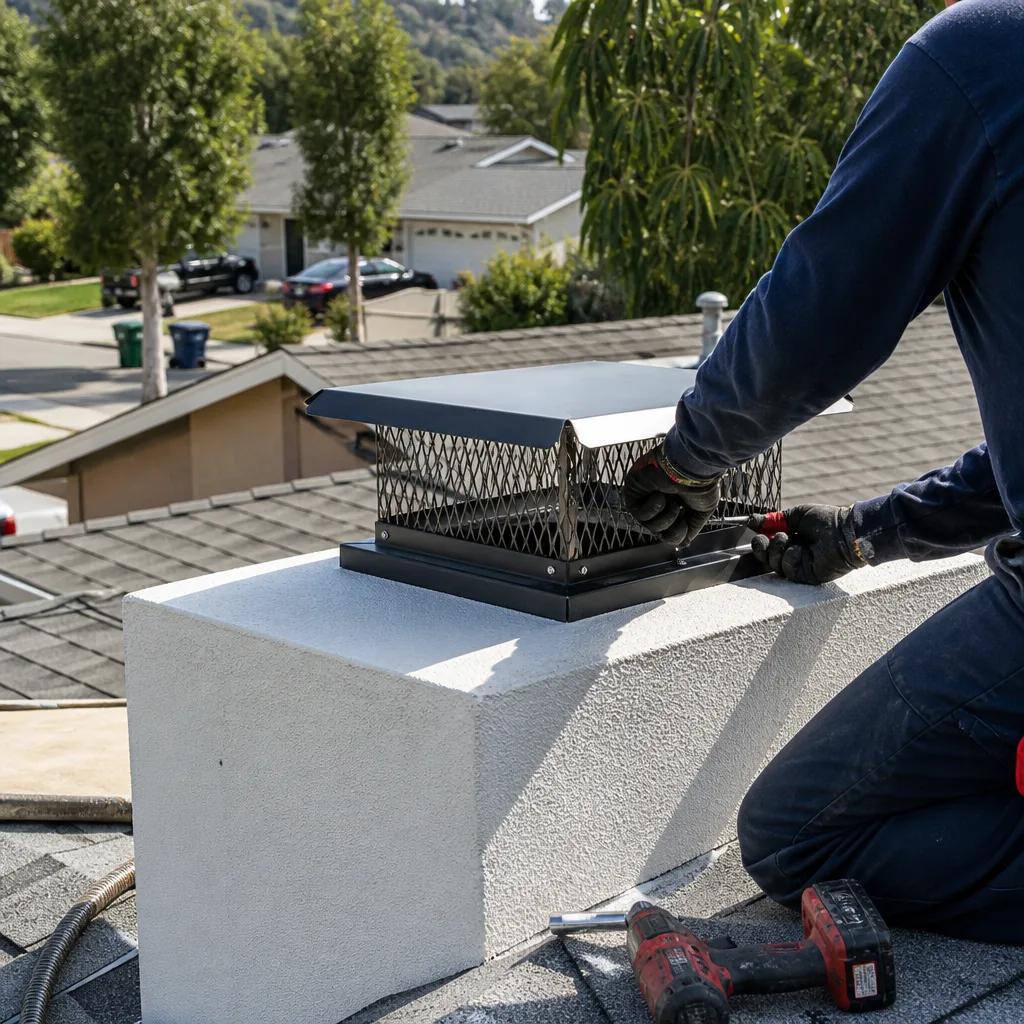 After
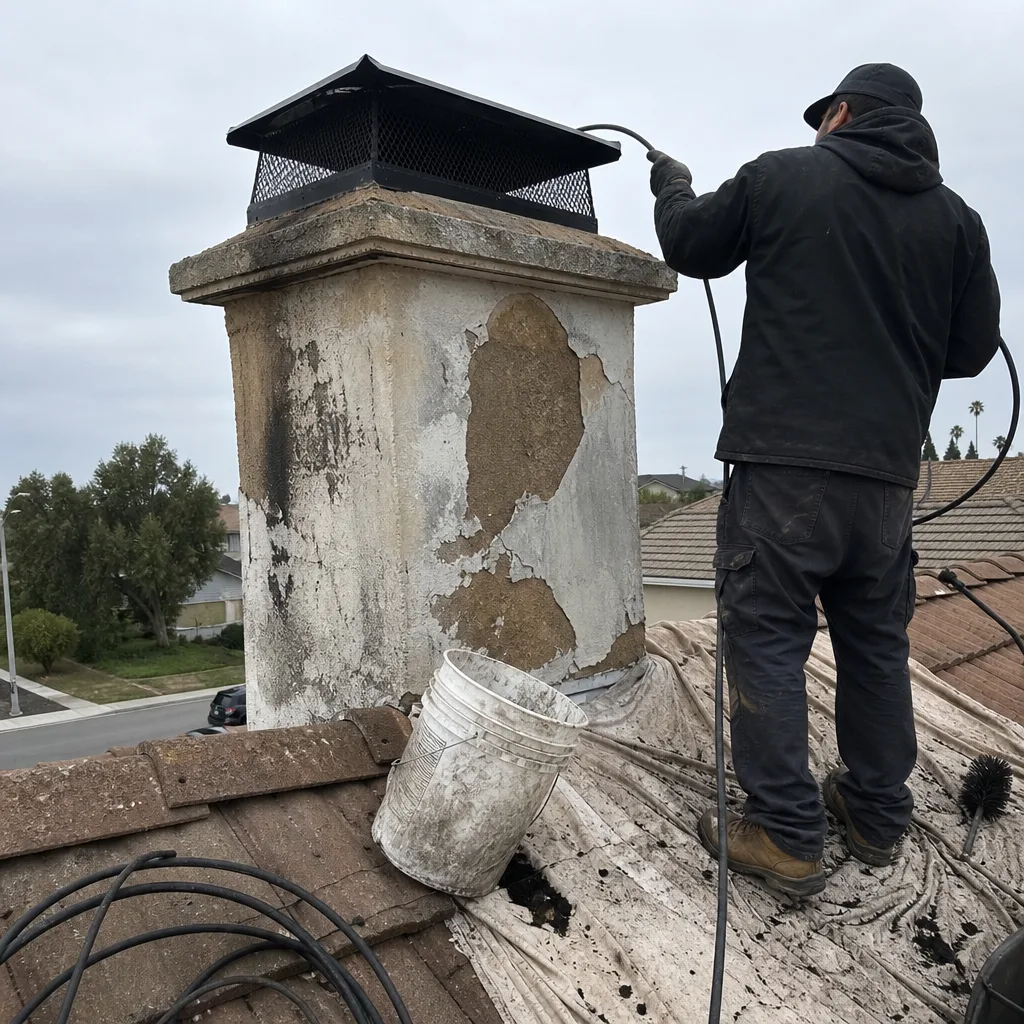 Before
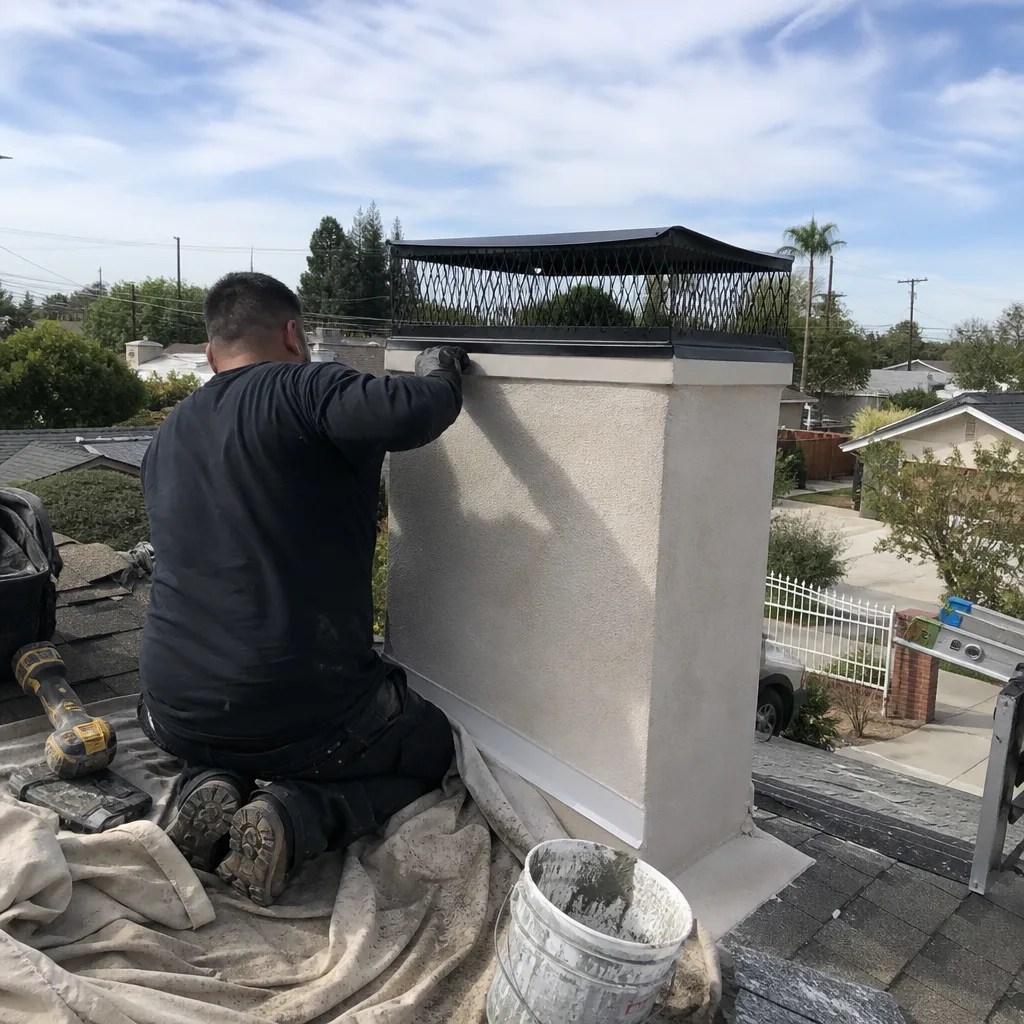 After
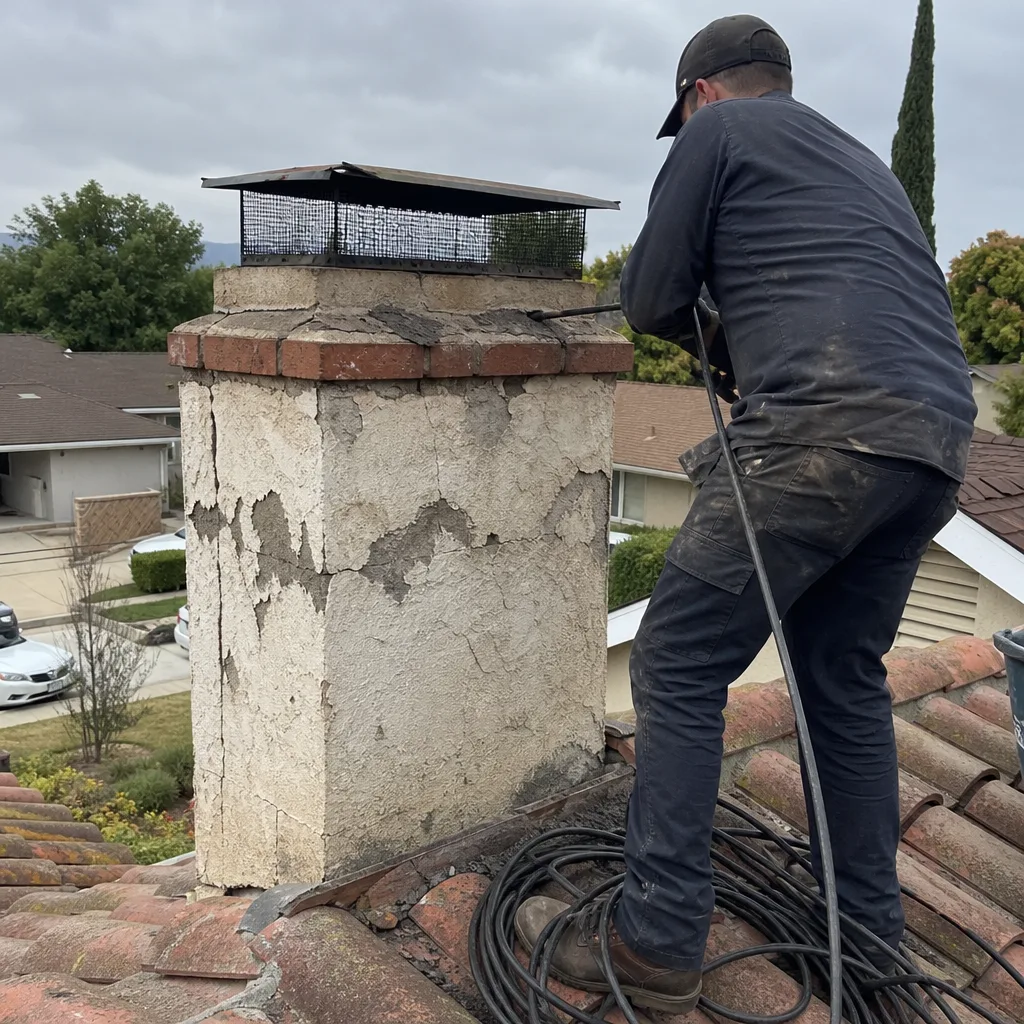 Before
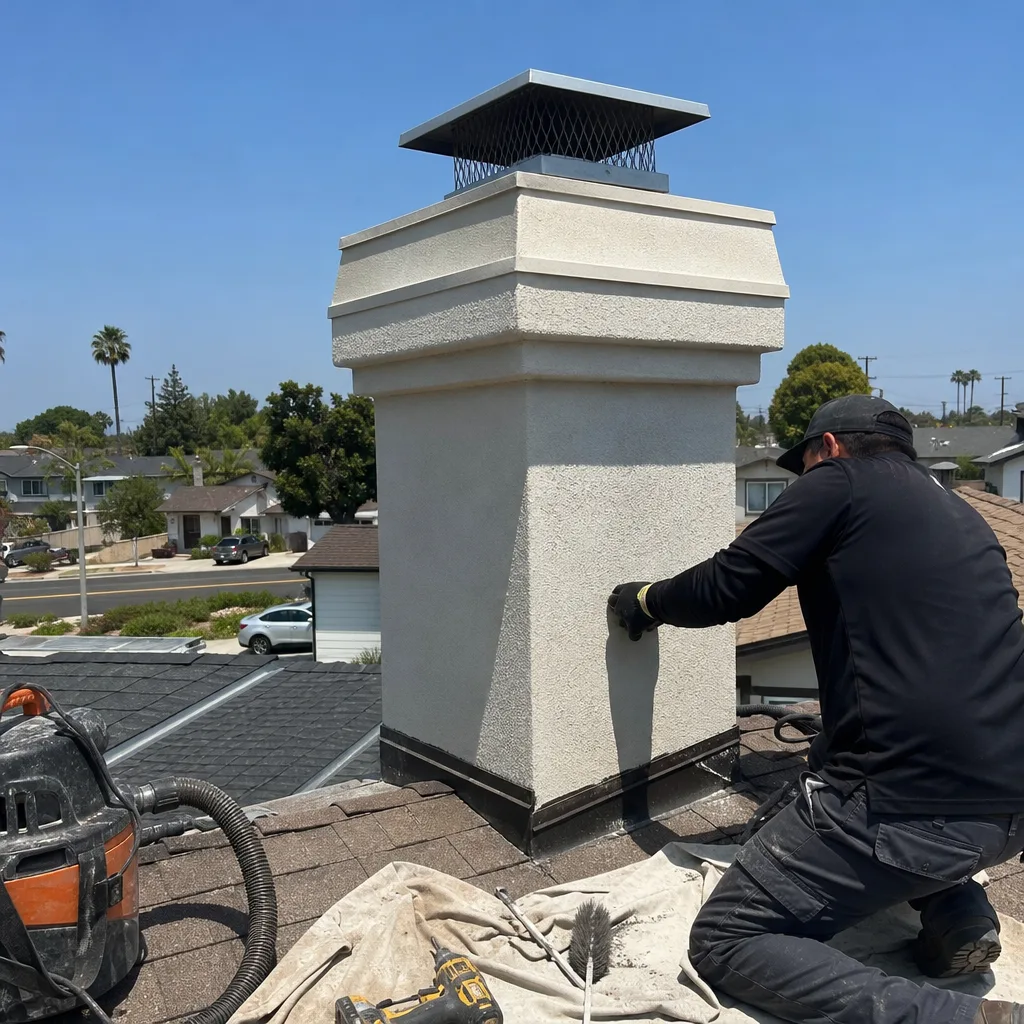 After
Frequently Asked Questions
A standard chimney sweep and inspection in La Habra typically runs between $180 and $350, depending on flue condition, accessibility, and whether repair work is recommended. If the flue has heavy third-stage creosote or the smoke chamber needs significant attention, the price can climb. The $60 to $100 brush kit looks cheaper until you realize it doesn’t include the camera inspection that actually tells you whether your chimney is safe to use. Call (866) 747-8330 for a specific quote on your fireplace. Estimates are free.
The National Fire Protection Association standard is an annual inspection, with cleaning performed whenever creosote reaches 1/8 inch or more. For a casual wood burner in La Habra using the fireplace fewer than 10 times per year with seasoned hardwood, a professional cleaning every other year is often sufficient, provided an inspection in the off year confirms no buildup. Heavy users, or anyone burning softer woods, should expect annual cleanings. The real rule is: clean when buildup warrants, and the only way to know is to look.
You might not need a new liner, and this is where a camera inspection earns its cost. Many cracked or deteriorating clay tile liners in La Habra homes can be restored using HeatShield, a material applied inside the flue that seals cracks and restores structural integrity without tearing out the original liner. Some companies recommend full replacement because they don’t carry restoration products. We do. When we find liner damage, we’ll show you the camera footage, explain what we’re seeing, and lay out your options, including HeatShield restoration or a DuraFlex liner system if full relining is the better call. You’ll never be guessing because you’ll have seen the video yourself.
The direct risk is a chimney fire: glazed creosote ignites and burns at temperatures hot enough to crack clay tile liners, warp the chimney structure, and in severe cases spread fire into the home’s framing. The secondary risk is carbon monoxide intrusion when a blocked or damaged flue no longer vents properly. La Habra homes with older masonry chimneys and regular wood use are the most vulnerable. Skipping one year is not automatically dangerous. Skipping many years on an old chimney is how catastrophic failures happen.
No. Cleaning logs break down light, first-stage creosote deposits, and their manufacturers themselves tell you they’re not a substitute for professional inspection and mechanical cleaning. They don’t remove glazed third-stage creosote, they don’t clear the smoke shelf, and they don’t find cracks in your liner. Use them as a maintenance aid between sweeps if you like, but not as your primary cleaning method.
Because the materials determine what repairs are actually available to you and how long they’ll last. A company that stocks DuraFlex liners, HeatShield restoration products, Gelco and Olympia Chimney components, and Copperfield or Famco accessories is equipped to fix what it finds in one visit. A company that only carries brushes will sweep your flue and refer you elsewhere for repairs. We stock the materials, so when our camera finds an issue, our crew can often address it in the same appointment. That’s the difference between a sweep-and-go service and a ventilation safety specialist.
The Bottom Line
DIY chimney cleaning has a legitimate place for light users with recently inspected flues and no damage history, but it stops being safe the moment you can’t see what you’re cleaning. The upper flue, smoke chamber, and liner are where La Habra chimneys actually fail, and no brush kit gives you eyes on them. The gap between a $60 brush and a professional sweep isn’t effort, it’s information. We’ve seen what homeowners miss, and we’ve seen what it costs to fix later. If you’re not sure where you stand, the free estimate call is the cheapest information you’ll get about your chimney. Explore more guides & resources on chimney safety, or call (866) 747-8330 and get a straight answer. Call (866) 747-8330 and get a straight answer.
Written by the team at Chimney Sweep La Habra, serving La Habra since 2014.