
Last updated November 2, 2026
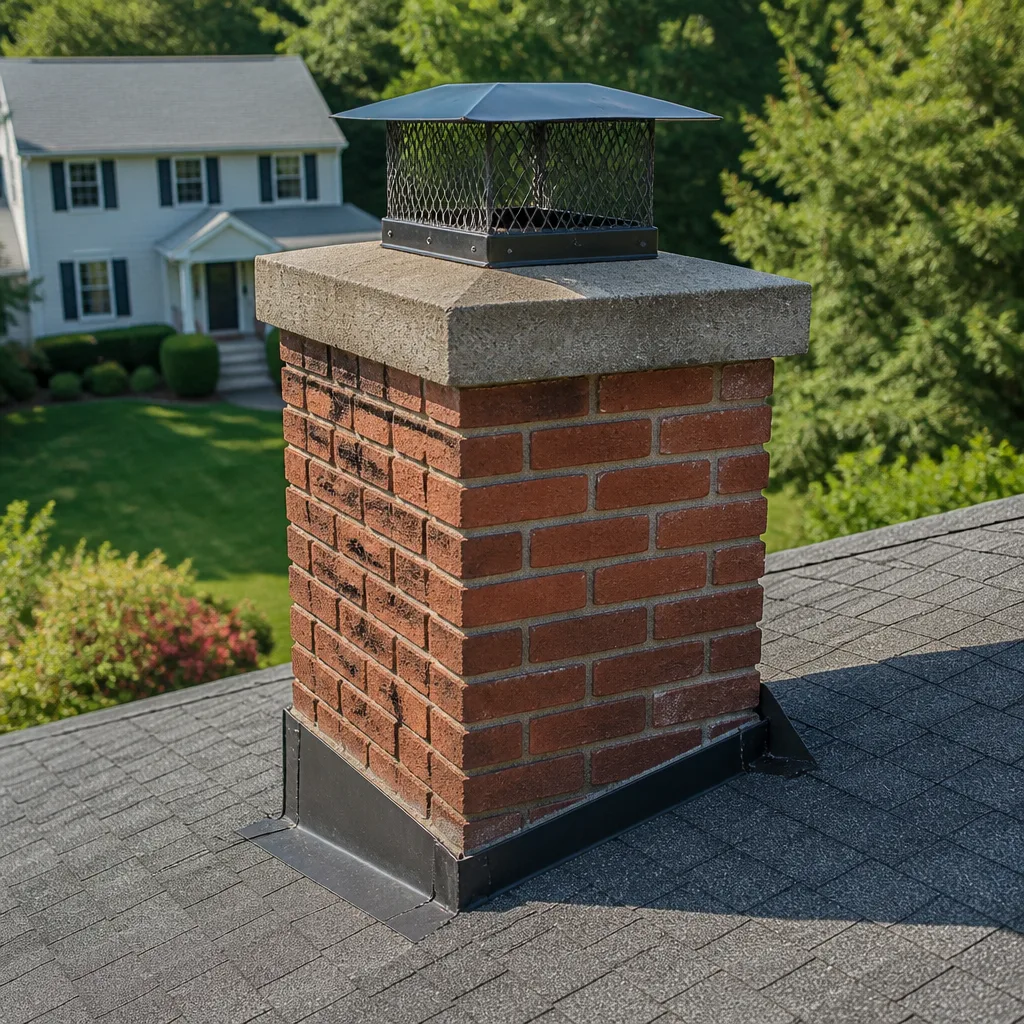 Sweep & inspection
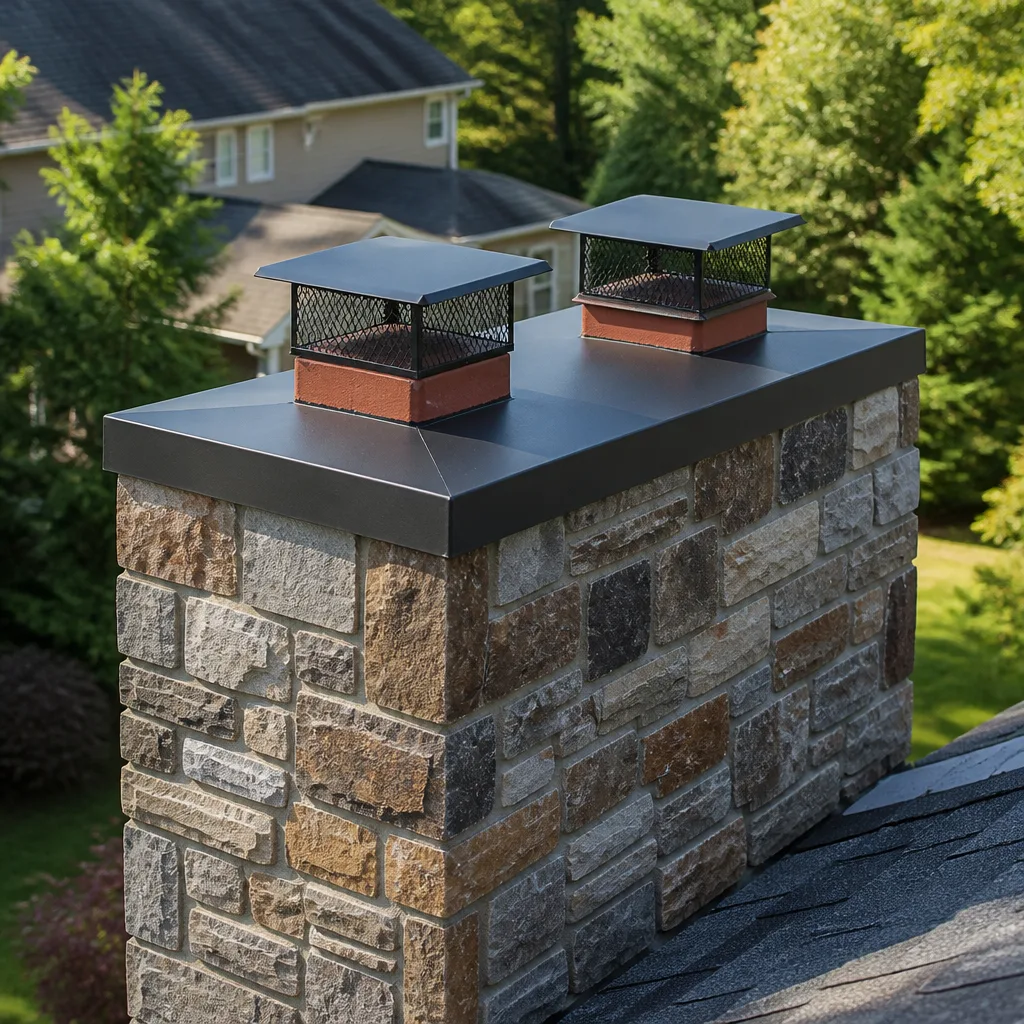 Caps & crowns
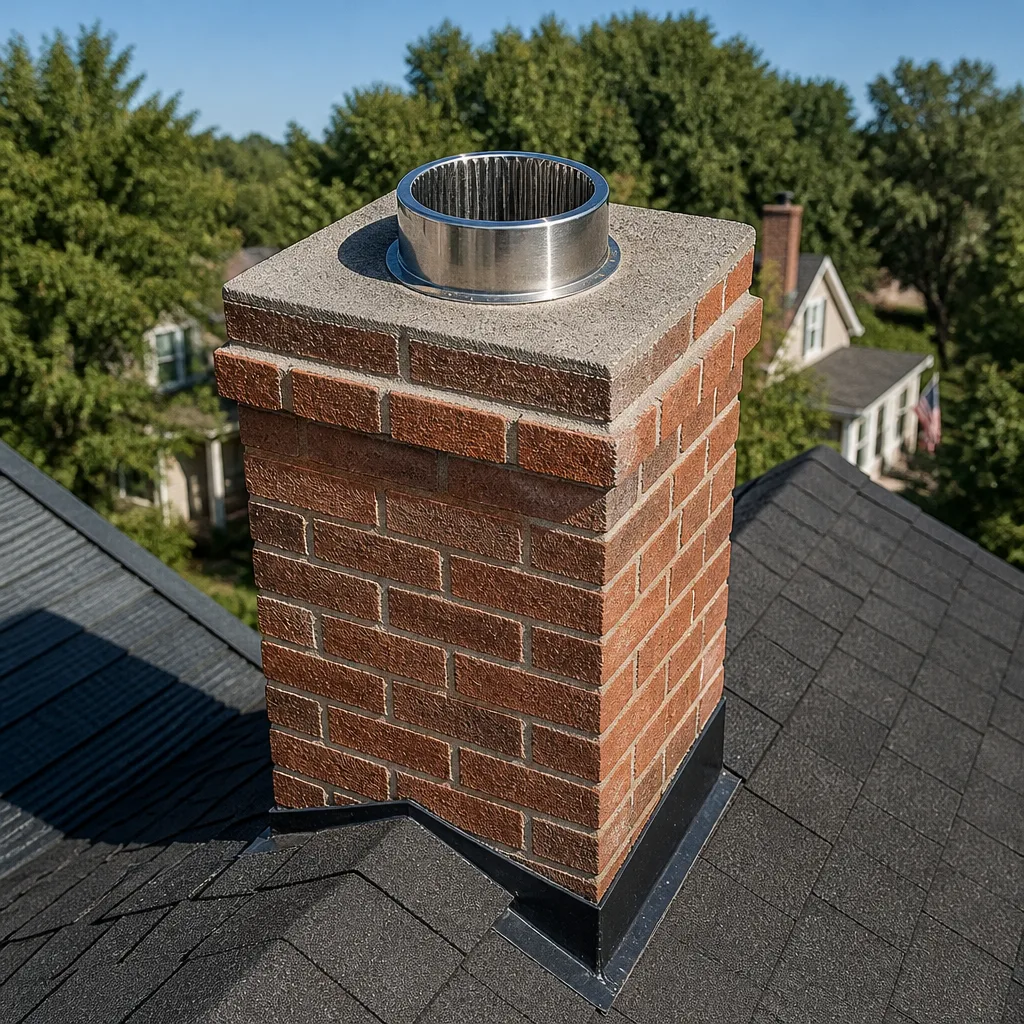 Flue relining
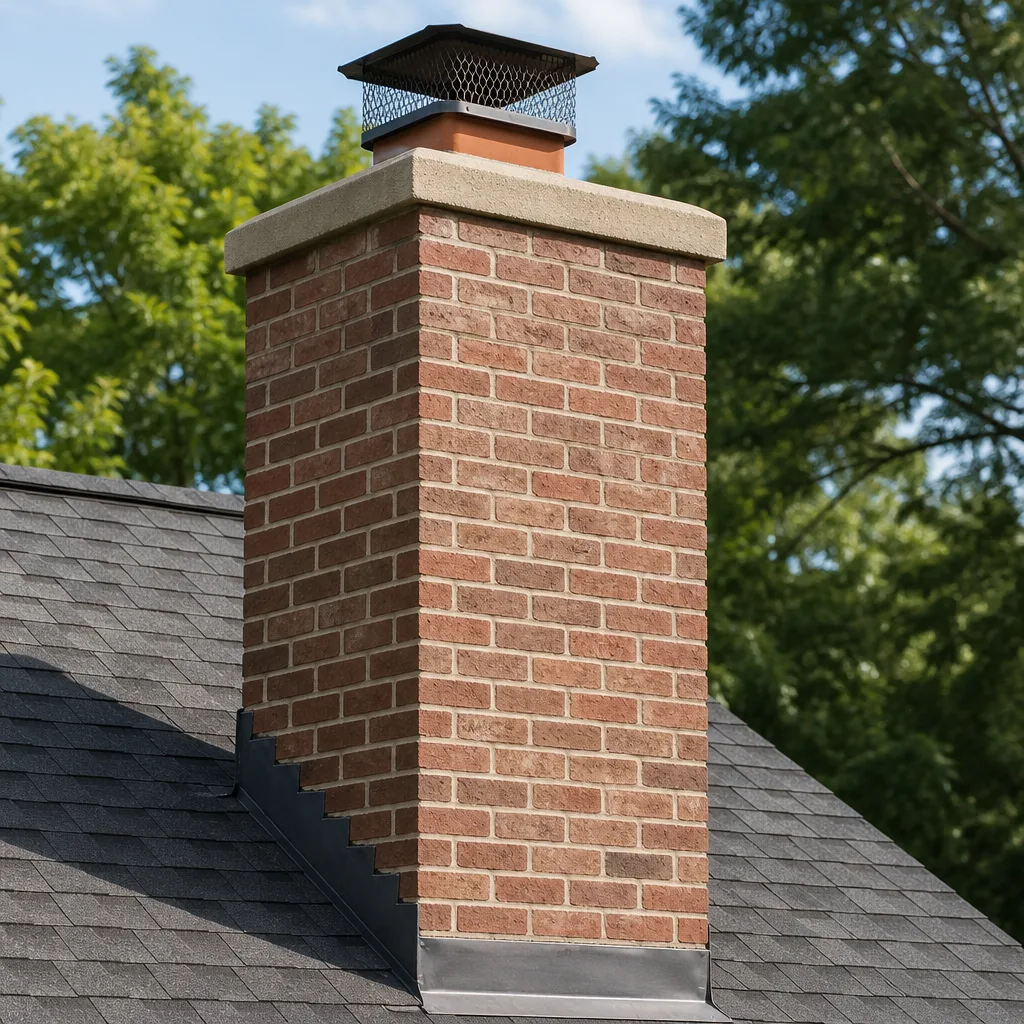 Masonry repair
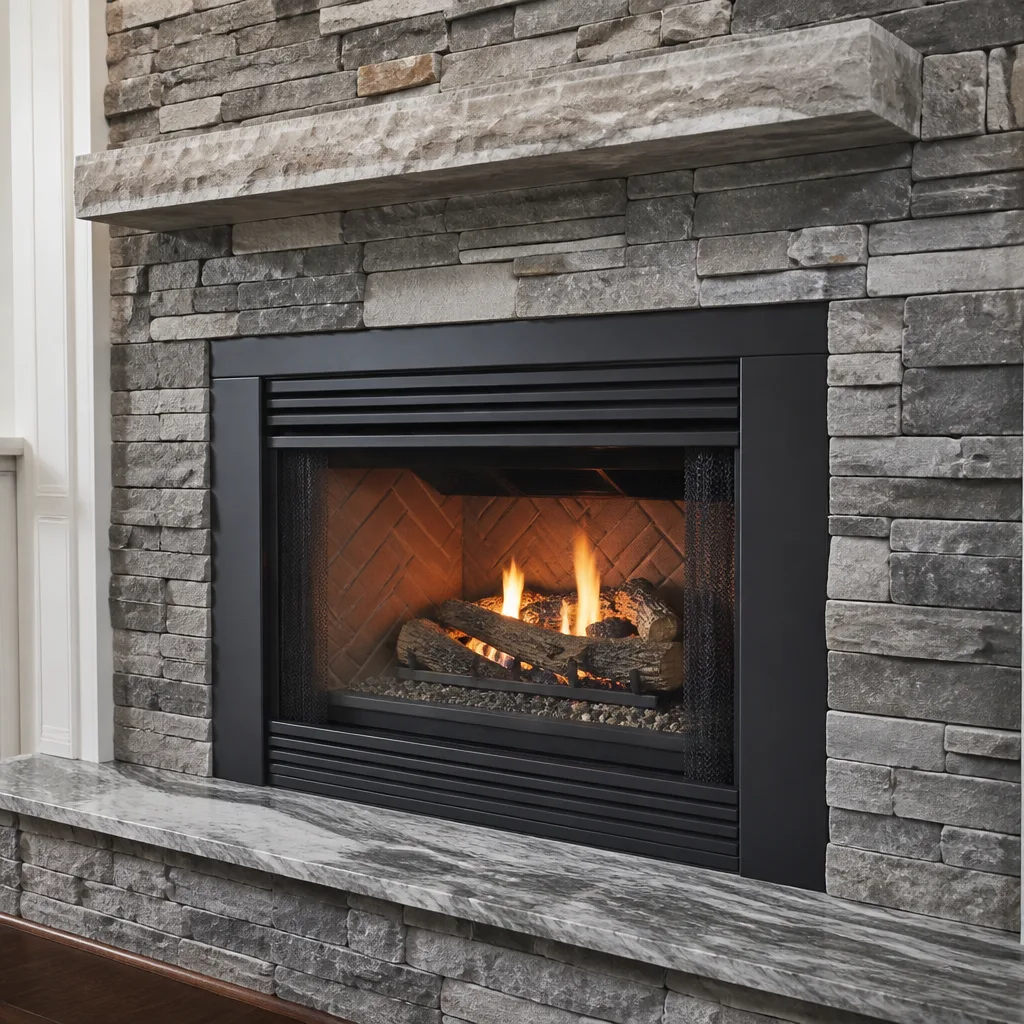 Gas fireplace service
Level 1 sweep and inspection to the NFPA 211 annual standard - flue, crown, cap, and flashing checked and photographed
Chimney sweep logs do not sweep chimneys. They loosen some creosote - which then falls where a brush and vacuum still have to collect it.
Chimney Cleaning Cost Breakdown: The La Habra Homeowner’s Reference for 2026
That $89 chimney sweep special you see advertised around La Habra typically covers a brush-and-vacuum of the flue only. No inspection report. No camera. No assessment of the liner, damper, or firebox. No liability if something gets missed. The reason chimney cleaning prices in La Habra swing from under $100 to over $600 is not that the market is unregulated. It’s that the scope of what different contractors actually do varies enormously. This guide breaks down exactly what each price tier includes, what drives the cost, and how to read an estimate line by line so you know what you’re paying for before you book.
Styles & brands we work with
- Sweep & inspection
- Caps & crowns
- Flue relining
- Masonry repair
- Gas fireplace service
Quick Answer
A chimney sweep in La Habra costs between $129 and $350 for a standard cleaning with inspection in 2026. Basic brush-only sweeps run $89 to $150, a sweep with a Level 1 inspection runs $149 to $250, and a sweep with a Level 2 camera inspection runs $250 to $450. Add-on repairs like HeatShield liner restoration, cap replacement, or damper swaps add $150 to $2,400 depending on scope. The price difference comes down to what’s included: documentation, camera work, and whether the sweep can repair what they find in the same visit.
Table of Contents
- The Four Tiers of Chimney Cleaning: What You Actually Get
- What Drives Price Variation in La Habra
- Material Costs for Common Add-Ons: HeatShield, Caps, and Dampers
- How to Read an Estimate Line by Line
- Total Cost of Ownership: One Thorough Visit vs. Multiple Return Trips
- Creosote Stages: Why Your Fireplace May Cost More to Clean Than Your Neighbor’s
- La Habra-Specific Factors: Climate, Housing Stock, and Code
- Common Mistakes to Avoid
- When to Call a Professional
- Frequently Asked Questions
- The Bottom Line
The Four Tiers of Chimney Cleaning: What You Actually Get
Chimney cleaning in La Habra breaks into four distinct service levels, and the difference between them is not marketing terminology. It’s the difference between a visual once-over and a documented assessment you can use to plan repairs. Here’s what each tier actually includes in 2026.
Tier 1: The Brush-and-Vacuum Sweep ($89 – $150)
This is the promotional price you see on mailers and online ads. A technician runs a wire or poly brush through the flue, vacuums the firebox, and leaves. What you’re getting: removal of loose creosote and soot from the flue walls. What you’re not getting: a written inspection report, any evaluation of the liner’s structural condition, any assessment of the damper, crown, or cap, and no documentation for your home insurance record. This tier exists because it’s cheap to perform and fills schedule gaps. It’s not inherently bad. But a homeowner who books this assuming they’re getting a safety inspection is making a $300 mistake in reverse.
Tier 2: Sweep with Level 1 Inspection ($149 – $250)
This is what most La Habra homeowners should expect from a standard annual cleaning. The sweep removes creosote from the full flue length, cleans the smoke chamber and firebox, and checks the readily accessible portions of the chimney: the cap, crown, damper, firebox, and visible liner surface. You receive a written report noting the condition of each component and whether anything appears abnormal. A Level 1 inspection is appropriate when the chimney is used the same way it was the previous year and no changes or problems have occurred. Most routine annual maintenance falls here.
Tier 3: Sweep with Level 2 Camera Inspection ($250 – $450)
A Level 2 inspection adds a closed-circuit camera scan of the full interior flue length. This is what finds what brushes can’t: cracked clay tile liners, gaps between flue sections, deteriorated mortar joints, or hidden blockages. In La Habra, a Level 2 inspection is recommended when you’re buying a home, when the chimney has been dormant for years, after a chimney fire, after an earthquake (we live in seismic country), or when you’re changing fuel type. At Chimney Sweep La Habra, the camera footage is shown to you in real time. You see what we see. That’s the point.
Tier 4: Sweep with Repair in a Single Visit ($400 – $3,000+)
This is the tier that separates specialist-grade companies from sweep-and-leave operators. The technician arrives with cleaning equipment, inspection equipment, and repair materials. When the camera reveals a problem, the fix can sometimes begin the same day. A cracked flue liner section can be addressed with HeatShield restoration without tearing out the full liner. A failed cap can be replaced with a Copperfield or Famco unit from the truck. A damaged damper can be swapped. This is not always possible for every repair, but for standard issues, the one-visit capability changes the homeowner’s cost equation meaningfully. No second trip charge. No second scheduling window. No second half-day off work. Our position at Chimney Sweep La Habra home is that the company you call for a cleaning should be the company that can fix what the cleaning uncovers. Otherwise you’re paying twice for diagnosis.
What Drives Price Variation in La Habra
When you collect three quotes for a chimney sweep in La Habra and they come back at $99, $189, and $320, the differences usually trace to five specific factors. Understanding them lets you compare apples to apples instead of guessing.
- Liner material and condition. A clay tile liner in good shape sweeps clean quickly. A stainless steel liner, like a DuraFlex system, sweeps faster still. But a clay liner with cracked sections, spalling, or heavy Stage 3 glazed creosote takes longer and requires more care. Older homes in La Habra, especially those built before 1980, frequently have clay liners showing age. That adds labor time.
- Access difficulty. A single-story ranch with a straightforward roof pitch and a walkable roof costs less to service than a two-story home with a steep pitch and no roof ladder anchor points. Some La Habra neighborhoods, particularly in the older central grid near Euclid Street, have tight side yards and roof access that requires extra setup time.
- Creosote degree. This is the single biggest variable within the cleaning itself. Stage 1 creosote is a light dust that brushes off in one pass. Stage 2 is flaky and requires mechanical agitation. Stage 3 is glazed, tar-like, and often requires chemical treatment plus rotary cleaning tools. The same chimney that costs $149 one year could cost $249 the next if you burned unseasoned wood or didn’t clean for two seasons.
- Inspection level included. Already covered above, but it bears repeating: a camera costs money because the equipment costs money, the training costs money, and the time on the roof costs money. If a quote doesn’t specify the inspection level, you’re buying a brush service.
- Travel and overhead bundling. Some companies in the La Habra area price travel time into the service, others charge it as a line item, others fold it into the flat rate. A flat rate with no travel line item is not automatically better. It just means the travel cost is hidden. What matters is the total and the written scope.
Material Costs for Common Add-Ons: HeatShield, Caps, and Dampers
If your sweep uncovers a problem, you’ll hear several terms thrown around. Here’s what these common add-ons cost in La Habra in 2026, and what they actually involve.
HeatShield Liner Restoration: $1,800 – $3,400 per chimney
HeatShield is a ceramic mortar system that restores a deteriorating clay flue liner without removing it. The product is applied through specialized equipment that resurfaces the interior flue walls, sealing cracks and gaps. In La Habra’s 1950s and 1960s housing stock, cracked clay liners are routine findings. Twenty years ago, the only answer was a full reline. HeatShield offers a pathway that preserves the existing structure while restoring its function. Not every liner is a candidate for HeatShield. Severely damaged or collapsed liners may still require a DuraFlex stainless steel reline. But for the majority of cracked-liner cases we see in La Habra, HeatShield restoration is possible. The per-chimney cost reflects the material, the application equipment, and the two-person crew time.
Cap Replacement with Copperfield or Famco: $150 – $450 installed
A chimney cap keeps rain, birds, and debris out of the flue. Basic galvanized caps run on the lower end. Stainless steel or copper caps from Copperfield or Famco run higher. If your cap is missing, rusted through, or sized incorrectly, the fix is straightforward and usually done same-visit. This is a case where the parts brand matters: a hardware-store cap fits poorly and lasts a few years. A properly sized professional cap with the right screening lasts a decade or more.
Famco Damper Swap: $200 – $600 installed
A damper that won’t seal wastes heated and cooled air year-round. Famco produces cast-iron and steel dampers in standard sizes that fit most La Habra fireplace openings. Replacing a stuck, rusted, or warped damper is a one-hour job for a prepared crew. If the damper frame itself is damaged, scope increases, but the majority of swaps are straightforward.
DuraFlex Full Reline: $2,800 – $6,500
When a liner is beyond restoration, a DuraFlex flexible stainless steel liner is the standard replacement. This is a full installation: the old liner is either removed or bypassed, the new liner is fed through, insulated where required, and connected to the appliance. The range reflects linear feet, roof access, and whether insulation is code-required for the specific appliance. This is structural work, not maintenance. But it’s structural work that a specialist-grade company stocks materials for, which is the difference between scheduling a job and waiting on a distributor.
How to Read an Estimate Line by Line
An estimate from a legitimate chimney company in La Habra should look like a scope of work, not a single number on a business card. Here’s how to parse it.
- Look for the inspection level by name. If the words “Level 1” or “Level 2” appear, the company is following the National Fire Protection Association 211 standard. If they don’t, ask. If the answer is vague, that’s your answer.
- Check whether the sweep includes the smoke chamber and firebox. Some low-bid sweeps only do the flue. A proper sweep includes the smoke chamber, damper area, firebox, and ash removal. If those items are not listed, they’re not included.
- Look for material brand names in repair line items. “Cap replacement” means nothing. “Copperfield cap replacement, stainless steel, installed” tells you exactly what you’re buying. We stock Olympia Chimney, Famco, and Copperfield components for this reason.
- Separate diagnosis from repair. A legitimate estimate will list the inspection fee separately from any repair recommendation, because the repair recommendation should come after the camera confirms the problem. If an estimate pushes a $2,500 HeatShield job before any inspection has happened, that’s a red flag.
- Ask what “travel” means. If travel is a line item, make sure it’s a flat amount for La Habra, not an open-ended charge. Most local companies either bundle travel or charge a flat $25 to $50 for the city.
- Non-negotiable items vs. upsell candidates. Non-negotiable: the sweep itself, the inspection, cap replacement if the cap is missing or failed. Upsell candidates to scrutinize: decorative upgrades, chemical sealers with no stated purpose, “premium” creosote treatments when a standard sweep plus a discussion of burning habits is the real fix.
Total Cost of Ownership: One Thorough Visit vs. Multiple Return Trips
Here’s the math most La Habra homeowners don’t see until they’ve lived it. A $99 sweep-and-leave contractor finds something. They write it on a paper tag and tell you to call someone else. That someone else charges a $149 diagnostic fee to come look at the problem. Then they quote the repair. Then they schedule a third visit to do the repair. You’ve paid three trip fees, taken three blocks of time off work, and the problem took three weeks to solve.
Now run the same scenario through a company that stocks professional-grade materials and carries repair capability on the sweep visit. The sweep finds the cracked liner. The camera confirms it. The HeatShield application is scheduled and completed, often in one additional visit or, on select jobs, the same day. The total cost is higher than the $99 sweep, but the cost to solve the actual problem is lower because you’ve eliminated redundant diagnosis and multiple mobilization charges.
Here’s the direct comparison for a typical cracked-liner scenario in La Habra:
- Sweep-and-leave path: $99 sweep + $149 diagnostic visit + $2,200 HeatShield repair + $75 travel fees = $2,523 total, three visits, three weeks elapsed
- Specialist sweep path: $289 sweep with Level 2 inspection + $2,200 HeatShield repair, single travel = $2,489 total, two visits or one combined visit, one week elapsed
The specialist path saves money, but more importantly it saves time and uncertainty. And the inspection documentation is consistent from one provider, which matters if you ever need to file an insurance claim related to the chimney. If you’re comparing chimney cleaning options in South San Jose Hills, the same arithmetic applies: bundled capability beats cheap-and-separate every time.
Creosote Stages: Why Your Fireplace May Cost More to Clean Than Your Neighbor’s
Creosote is not one substance. It’s a spectrum of combustion byproducts that condenses differently depending on burn temperature, wood moisture, and airflow. Knowing which stage you have explains most of the price variation between two similar-looking chimneys.
- Stage 1: Fine, flaky, dark dust. Brushes off with standard sweeping. This is what a well-managed fireplace with properly seasoned wood produces. Standard sweep pricing applies.
- Stage 2: Flaky, granular, thicker deposits. Requires more aggressive mechanical brushing and can double cleaning time. Often seen when fireplaces are used intermittently with occasional green wood.
- Stage 3: Glazed, tar-like coating that hardens to a shiny surface. This is the dangerous one. Stage 3 creosote is fuel-rich and is a primary contributor to chimney fires. Removing it requires rotary cleaning tools or chemical treatments followed by mechanical removal. Cost runs 50% to 100% above a standard sweep.
In our experience across La Habra, Stage 3 is most common in fireplaces that have never been cleaned after years of use, in wood stoves burning under-seasoned oak, and in chimneys with restricted draft that causes incomplete combustion. If your smoke alarm has gone off during fires, if you smell smoke in the house after the fire is out, or if you see shiny black buildup when you look up the flue with a flashlight, plan for the higher labor tier. See our Chimney Cleaning Warning Signs: A La Habra Homeowner’s Reference Guide for more details.
La Habra-Specific Factors: Climate, Housing Stock, and Code
La Habra’s climate shapes chimney maintenance in ways that don’t apply in colder or wetter markets. We don’t deal with freeze-thaw cycling that cracks crowns. We deal with long dry spells, seismic activity, and a housing stock that skews mid-century.
Most homes in La Habra’s older neighborhoods were built between 1945 and 1975. That means clay tile liners, masonry fireboxes, and in many cases, decades of deferred maintenance from previous owners. When we inspect a chimney in the area north of Whittier Boulevard or in the tracts off Harbor Boulevard, we’re typically looking at a system that has not been opened in years, if not decades. That’s not a criticism of the homeowner. It’s the reality of how homes change hands and how chimneys quietly fall out of use.
Seismic activity is another local factor. Even minor earthquakes can shift chimney masonry, crack clay liners, or separate flue sections. After any noticeable earthquake in the La Habra area, a Level 2 camera inspection is a prudent check. What looks like routine creosote buildup on the surface may be hiding structural movement deeper in the flue.
Code matters too. La Habra enforces the California Building Code, which incorporates the International Residential Code. Chimney work that involves liner replacement or structural repair requires a permit. A legitimate company will tell you when a permit is needed and pull it as part of the job. A company that tells you permits are never needed for liner work is not doing you a favor. They’re skipping the paperwork and leaving you holding the liability. For dryer vents, the same principle applies: if you’re comparing chimney and dryer vent cleaning in South San Jose Hills, the standard of written documentation should be identical.
Common Mistakes to Avoid
- Booking the mailer price without asking what’s included. The $89 offer is a brush service. If you wanted an inspection, you didn’t buy one. Always ask: “Is there a written report? Is a camera used?”
- Skipping the inspection to save money. The inspection is where problems surface while they’re cheap to fix. Skipping it is like declining a blood test at your annual physical.
- Burning unseasoned wood to save on firewood costs. Green wood produces Stage 3 creosote faster than anything else. The $40 you save on wood becomes a $300 cleaning bill in one season.
- Letting a general handyman touch the chimney. Chimneys are fire-containment systems. A handyman with a hardware-store brush cannot inspect a liner or write a report your insurance company will accept, and they cannot repair what they find.
- Ignoring the dryer vent because it’s a different system. Dryer vents and chimneys fail in similar ways: airflow restriction, lint or creosote accumulation, and eventual fire risk. If you’re already scheduling a chimney sweep, ask whether the company also handles dryer vent cleaning and bundle the visit.
When to Call a Professional
Call a chimney professional in La Habra if you see shiny black buildup inside the flue, if smoke enters the room when the fireplace is burning, if you smell a campfire-like odor in the house during humid weather, if you’ve recently purchased a home with a fireplace of unknown condition, or if you’ve experienced a chimney fire or earthquake since the last inspection. If you’ve never had your chimney swept and you use the fireplace regularly, the chimney is overdue now. Chimney Sweep La Habra offers free estimates in La Habra. Call (866) 747-8330 to schedule an inspection, and we’ll tell you exactly what you’re working with.
Frequently Asked Questions
A standard chimney sweep with Level 1 inspection in La Habra costs $149 to $250 in 2026. Basic brush-only sweeps run $89 to $150, and sweeps with Level 2 camera inspection run $250 to $450. The price reflects what’s included: documentation, inspection depth, and whether the company stocks repair materials. Call (866) 747-8330 for a free estimate based on your specific chimney.
Not always. A cracked clay liner can often be restored with HeatShield rather than fully replaced. Before agreeing to any liner work, ask for camera footage that shows the damage and ask whether HeatShield restoration is an option. If the liner is severely collapsed or the damage extends through multiple flue sections, a DuraFlex stainless steel reline may be the only durable fix. The key is seeing the evidence yourself.
The National Fire Protection Association recommends cleaning when creosote buildup reaches 1/8 inch in the flue. For a regularly used wood-burning fireplace in La Habra, that typically means once per year. Fireplaces used occasionally may go two years. Gas fireplaces need annual inspection but less frequent cleaning. A camera inspection during your first visit will establish a baseline for your specific usage patterns.
Creosote accumulates, airflow decreases, and smoke backs up into the living space. Eventually, the creosote layer can ignite, causing a chimney fire that reaches 2,000°F and damages the liner, the masonry, and potentially the structure around the chimney. Carbon monoxide from a restricted flue is a separate risk: the gas is odorless and the poisoning is cumulative. A $189 sweep is the cheapest fire insurance you can buy.
Some repairs, yes. Cap replacement, damper swaps, and minor masonry work can often be completed during the sweep visit if the company stocks the parts. Larger jobs like HeatShield liner restoration or DuraFlex relining are typically scheduled as a follow-up. At Chimney Sweep La Habra, our trucks carry Famco and Copperfield components precisely so standard repairs don’t require a return trip. Call (866) 747-8330 to ask about same-visit repair for your specific situation.
It depends on the cause. Damage from a sudden event like a chimney fire, earthquake, or storm is typically covered. Deferred maintenance such as cracked liners from normal wear is generally not covered. This is where documentation matters: a written inspection report from a legitimate chimney company establishes what was known and when, which matters if you ever file a claim. Always keep your inspection records.
The fundamentals are the same, but La Habra’s mid-century housing stock means more clay tile liners and older masonry than you’d find in newer developments. Seismic activity is a more relevant concern here than in non-earthquake regions. And the dry fall season before fire-burning months is the peak demand window, so scheduling in late summer or early fall often means faster appointments. If you’re comparing services across nearby areas, chimney repair in South San Jose Hills follows the same pricing structure we’ve outlined here.
The Bottom Line
Chimney cleaning in La Habra costs $129 to $450 for the sweep itself in 2026, depending on inspection depth and creosote severity. The bigger cost variable is what the sweep finds: HeatShield restoration runs $1,800 to $3,400, a cap replacement $150 to $450, and a full DuraFlex reline $2,800 to $6,500. The cheapest quote is rarely the cheapest outcome. A sweep-and-leave contractor that can’t repair what it finds sends you back into the market with a problem in hand and no documentation. A company that stocks professional-grade materials, performs camera inspections, and carries repair capability turns a routine maintenance visit into a single point of resolution. That’s the difference between a chimney service and a chimney specialist.
Written by the team at Chimney Sweep La Habra, serving La Habra since 2014.
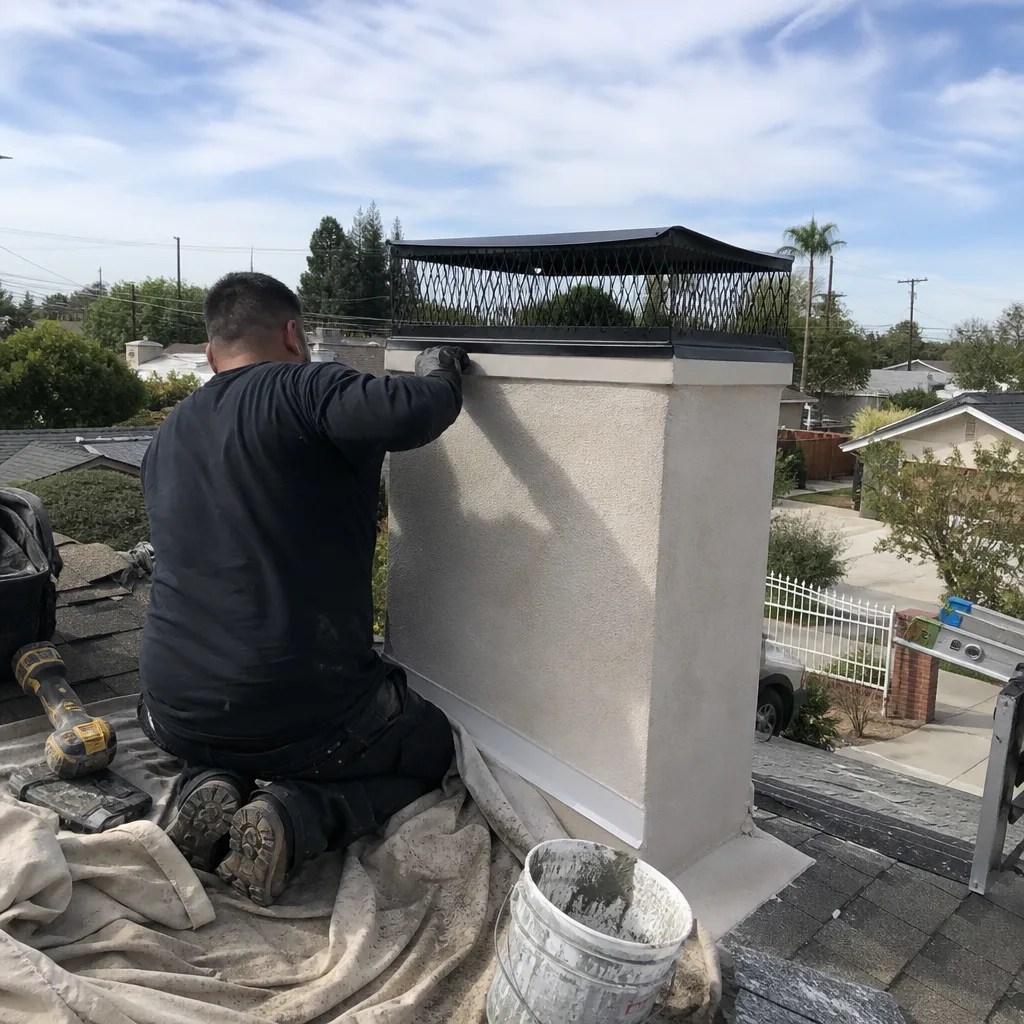
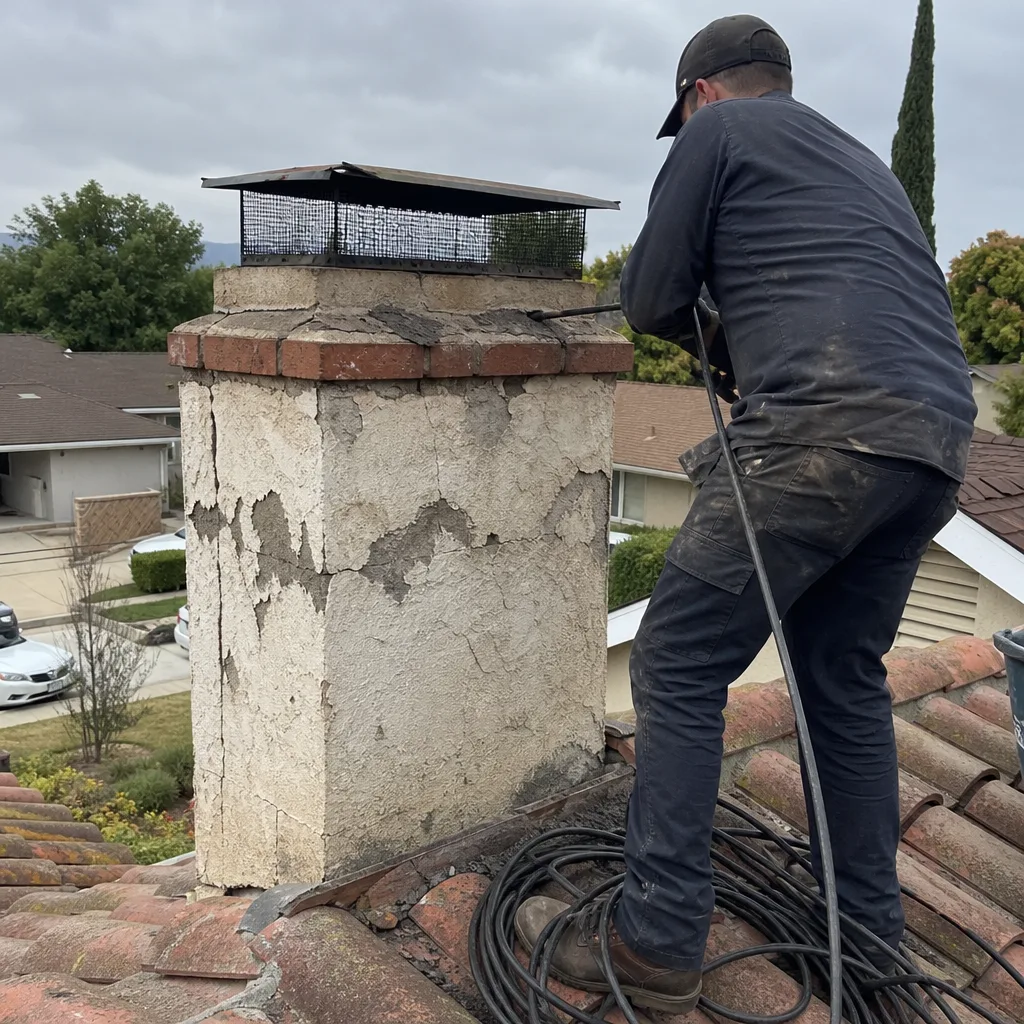
See the difference
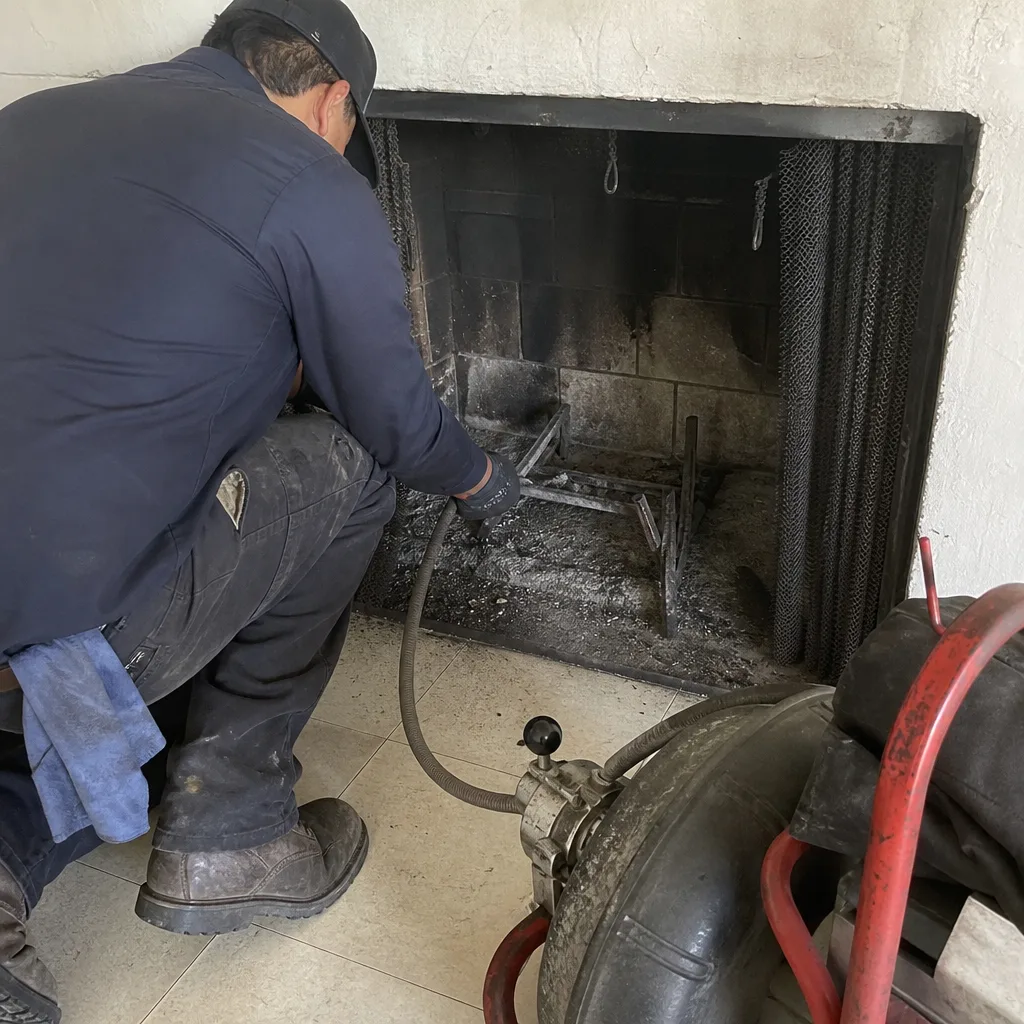 Before
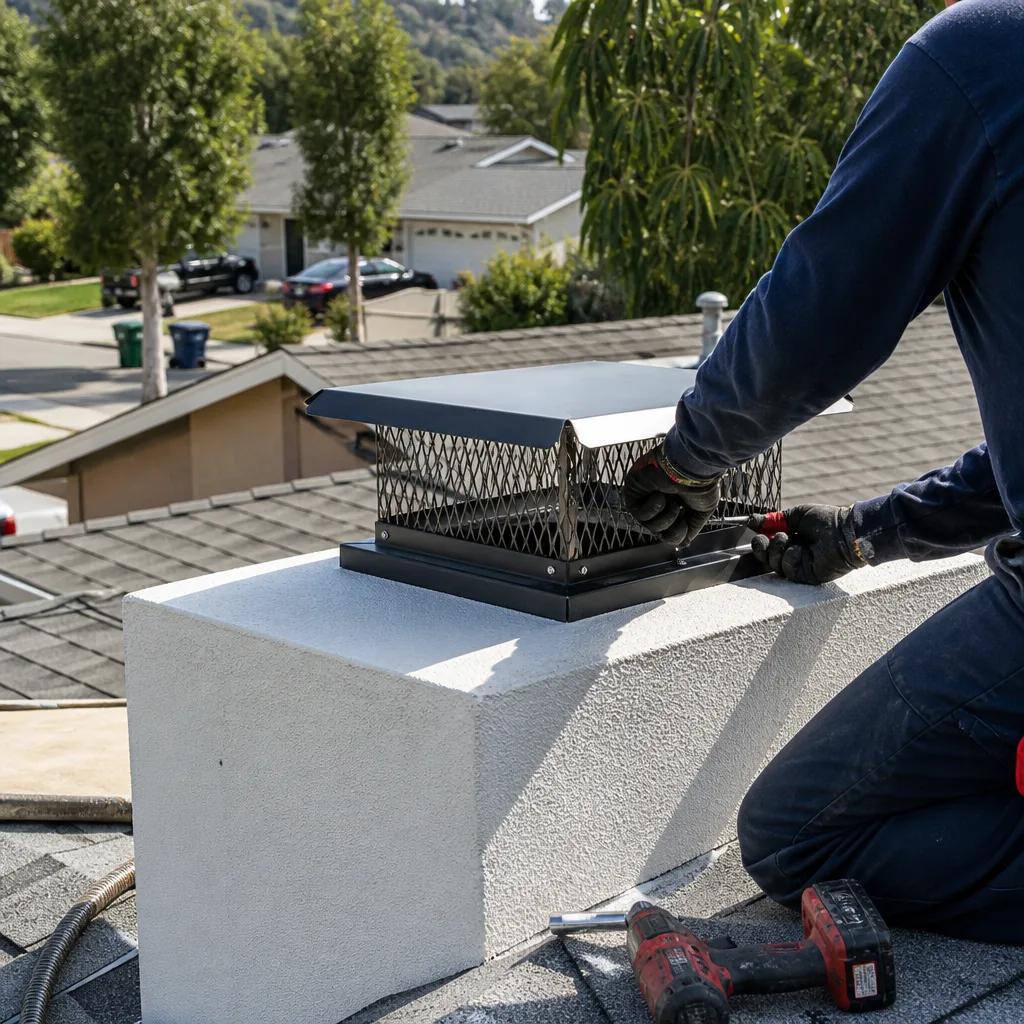 After
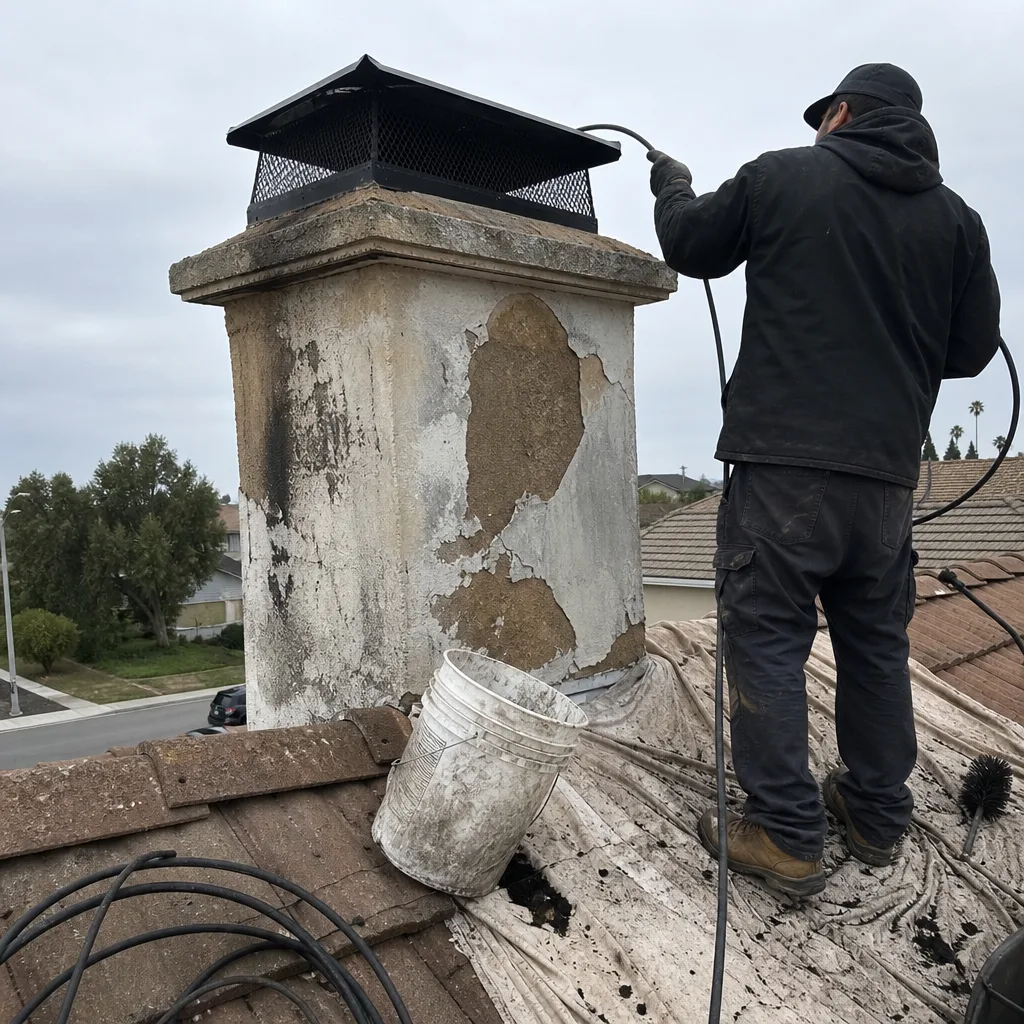 Before
 After
 Before
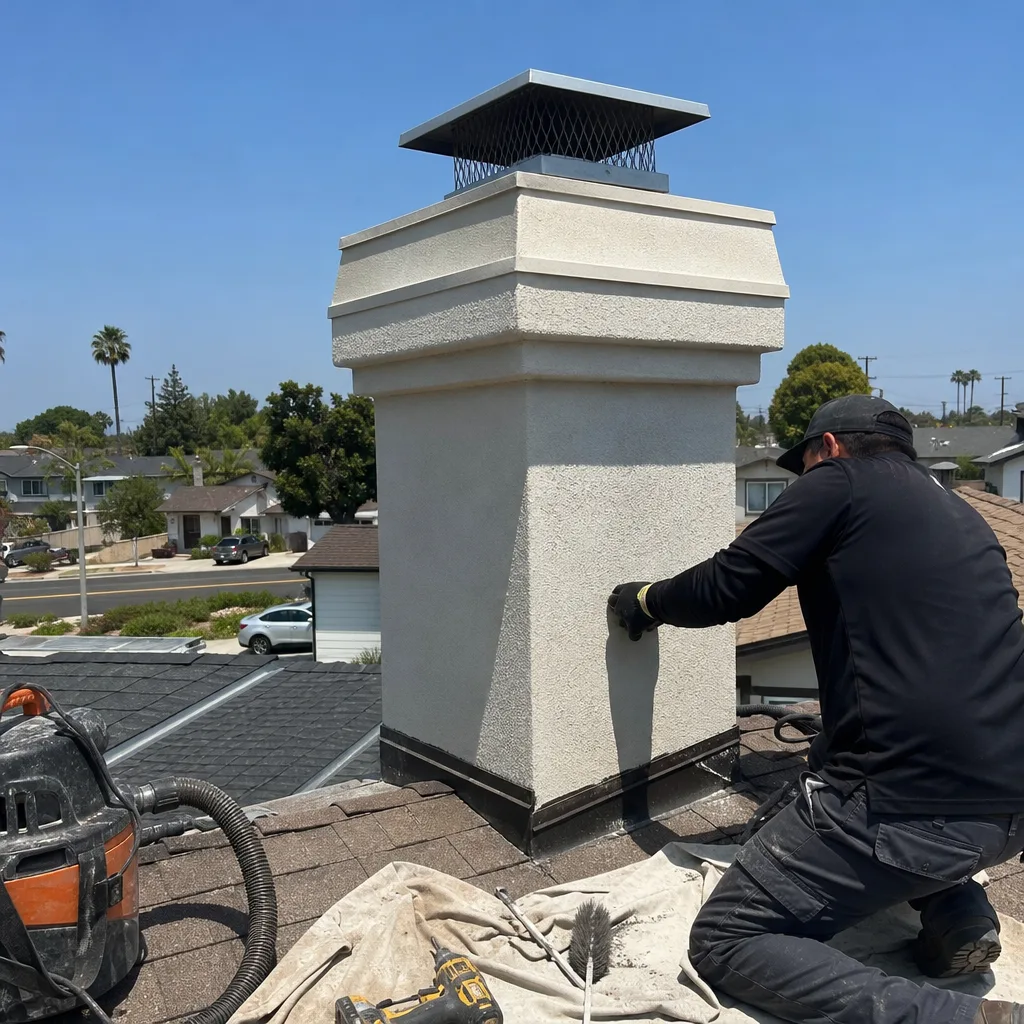 After