Last updated November 2, 2026
 Sweep & inspection
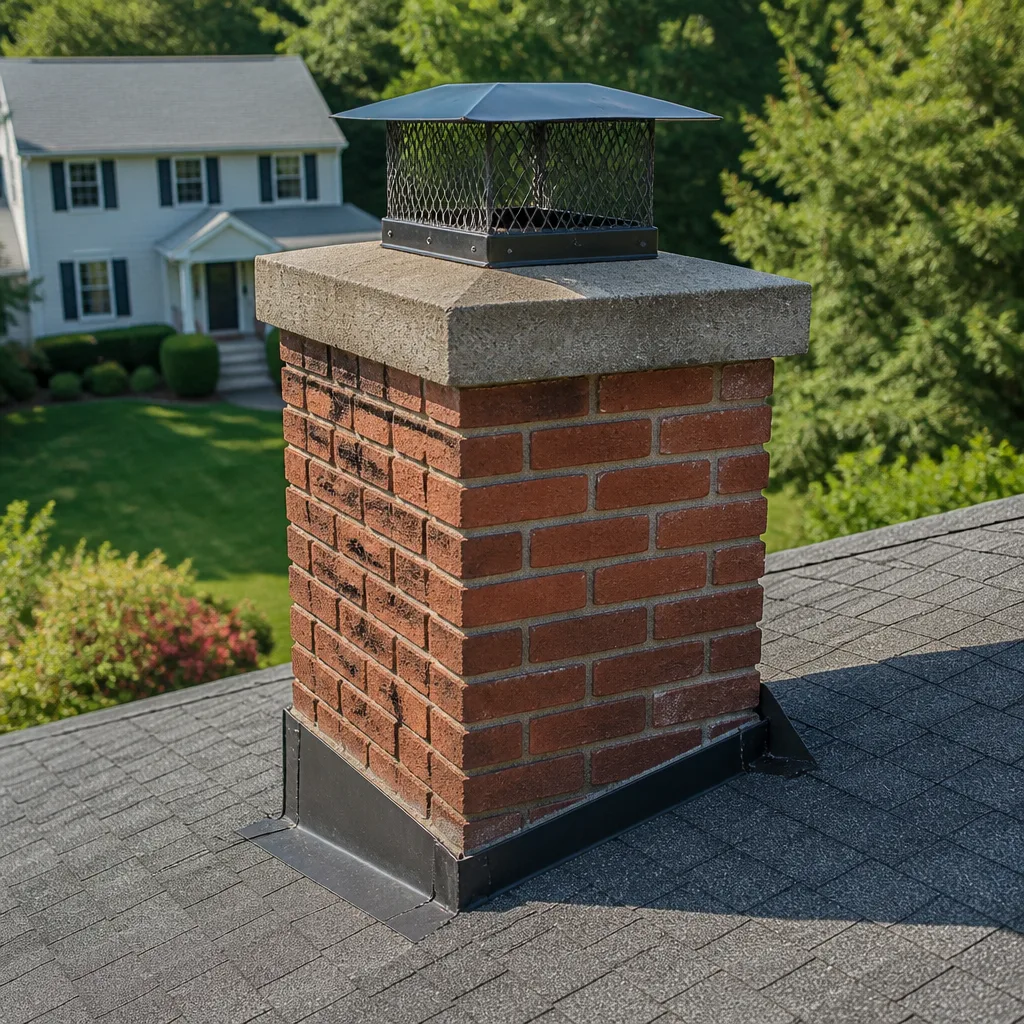
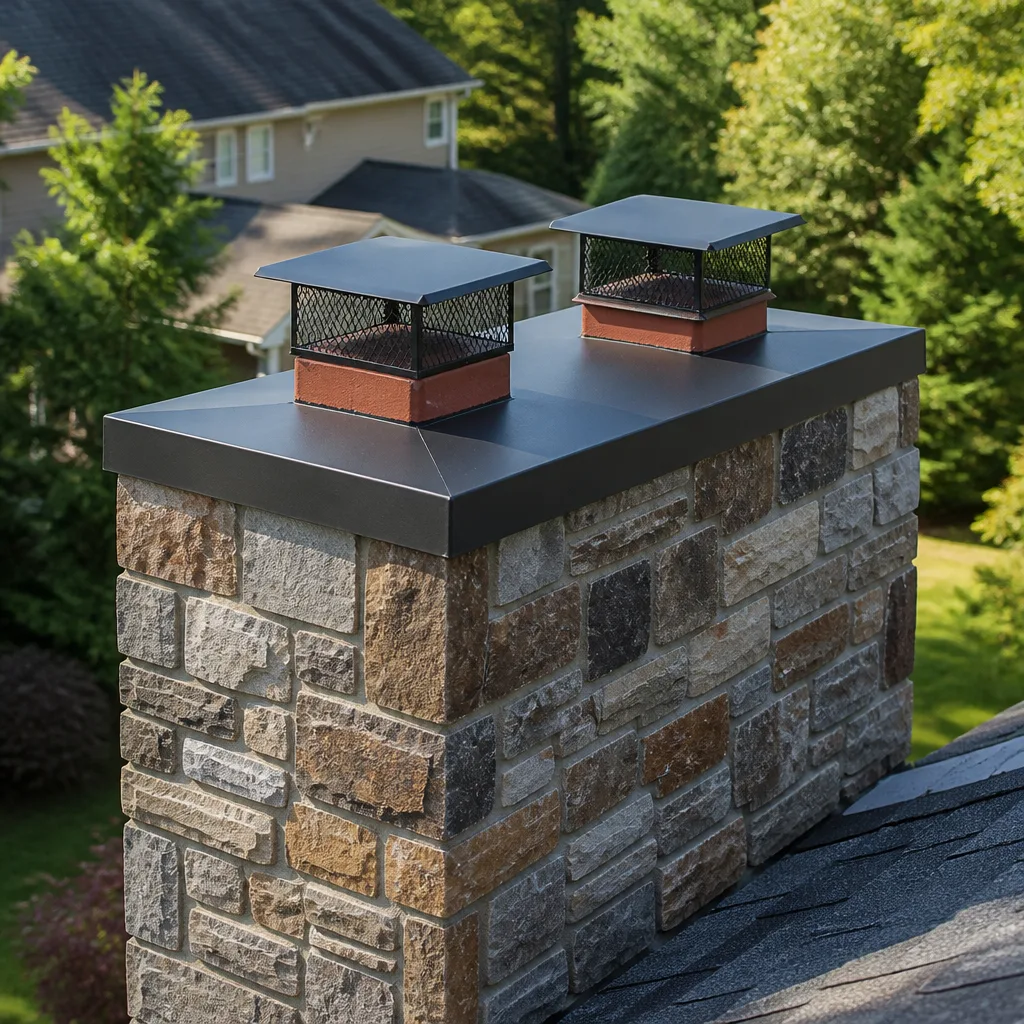 Caps & crowns
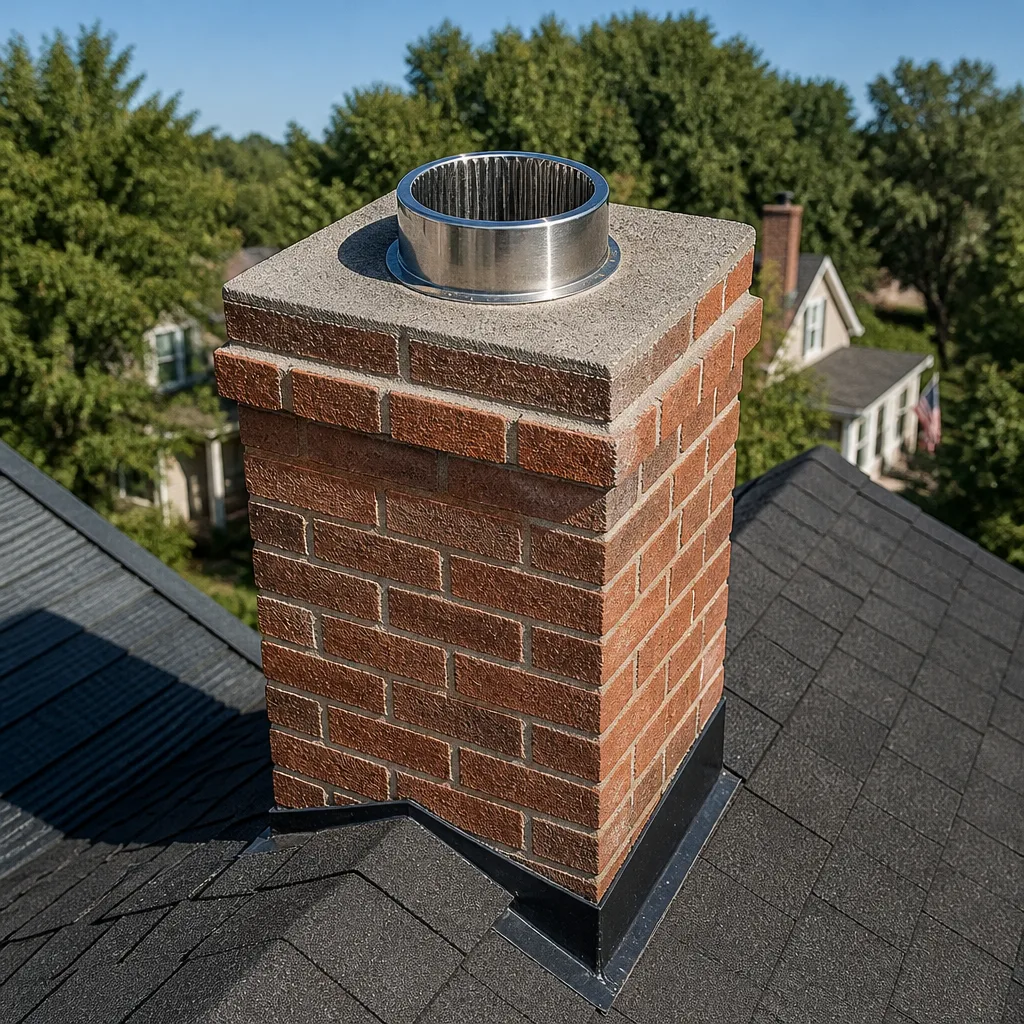 Flue relining
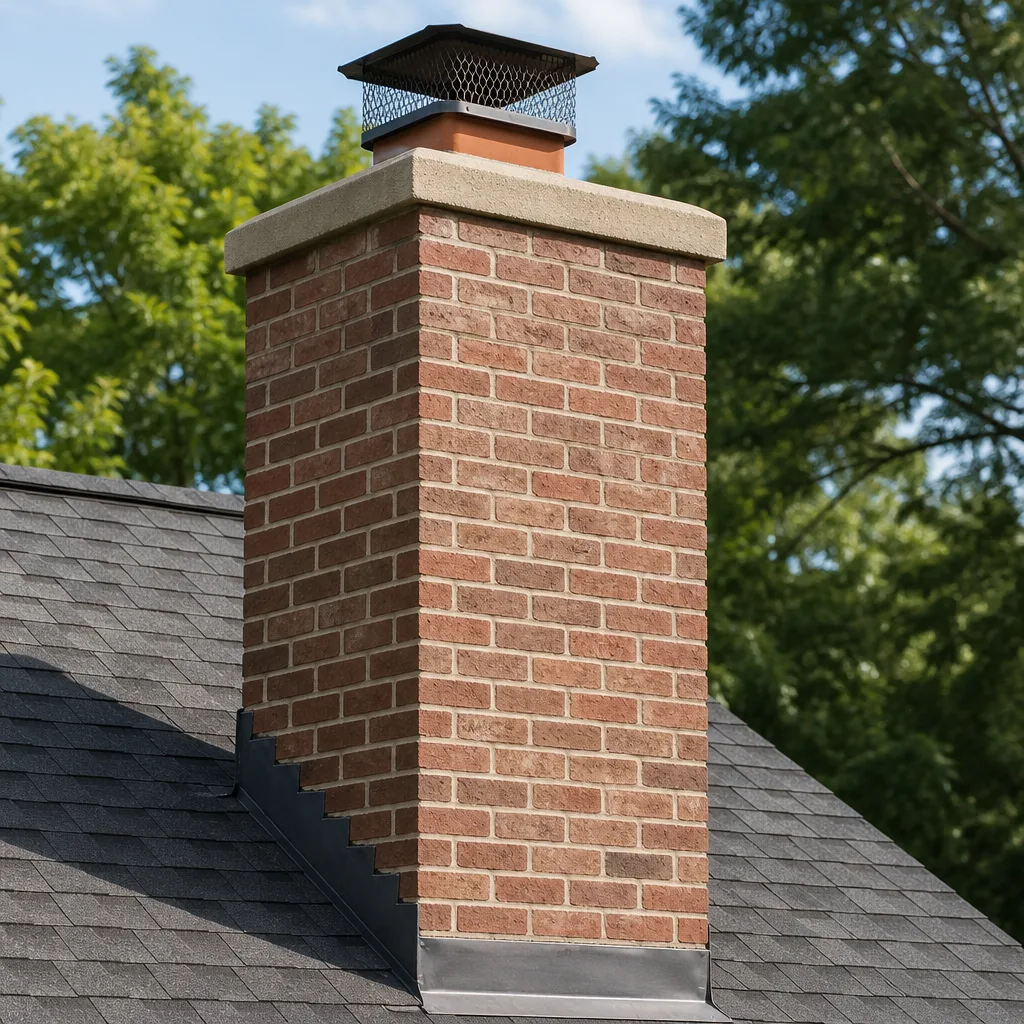 Masonry repair
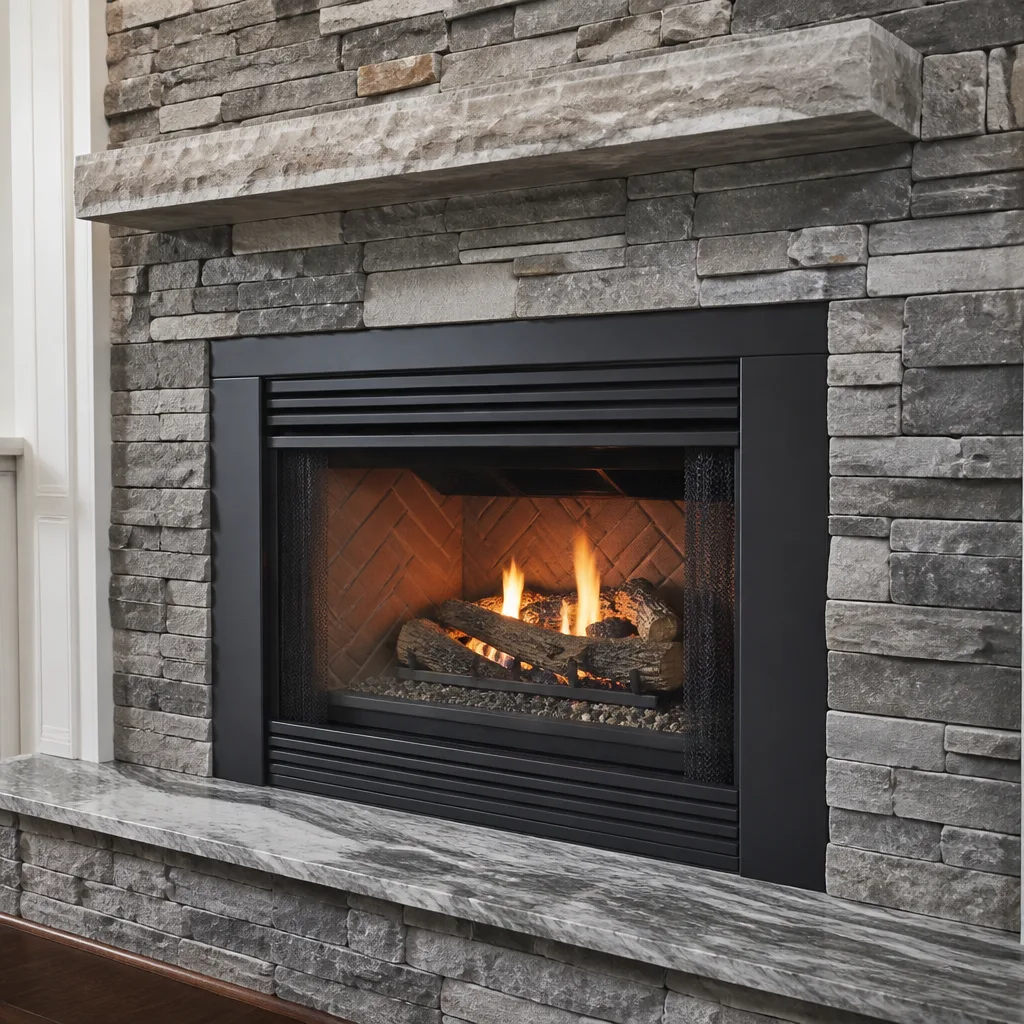 Gas fireplace service
Level 1 sweep and inspection to the NFPA 211 annual standard - flue, crown, cap, and flashing checked and photographed
Chimney sweep logs do not sweep chimneys. They loosen some creosote - which then falls where a brush and vacuum still have to collect it.
How to Hire a Chimney Cleaning Contractor in La Habra: A Step-by-Step Guide
There is no licensing requirement in California specifically for chimney sweeps. The person you hire to inspect and clean your flue could have spent last week cleaning gutters. That’s not a hypothetical, it’s the reality of the Southern California chimney services market, and La Habra homeowners pay for it in skipped inspections, missed liner cracks, and repeat service calls. This guide walks through the exact screening process we recommend to every homeowner in La Habra before they book a chimney cleaning. You’ll learn what credentials actually matter, which questions separate a specialist from a sweep-and-leave operator, and how to read an estimate so you’re not surprised by a five-thousand-dollar “discovery” mid-job.
Quick Answer
To hire a chimney cleaning contractor in La Habra, verify CSIA certification is current, confirm the contractor carries professional-grade repair materials like HeatShield and DuraFlex, require a written scope with camera inspection included, and ask the five screening questions below before booking. A legitimate chimney cleaning in La Habra should include a Level 1 or Level 2 inspection, a photo report of the flue interior, and a written estimate that separates cleaning from any recommended repairs.
Styles & brands we work with
- Sweep & inspection
- Caps & crowns
- Flue relining
- Masonry repair
- Gas fireplace service
Table of Contents
- Why Credentials Matter More Than Price in La Habra
- The Five Questions to Ask Before You Book
- Why Camera Inspection Is the Non-Negotiable
- What Material Brands Tell You About a Contractor
- How to Read a Chimney Cleaning Estimate
- Red Flags Specific to the Southern California Market
- What to Expect During the Appointment
- After the Cleaning: Documentation and Next Steps
Why Credentials Matter More Than Price in La Habra
La Habra sits in a unique climate band for fireplace use. Homes here see enough cool evenings from October through March that wood-burning fireplaces get real use, but not enough cold weather that homeowners think about their chimneys year-round. That seasonal usage pattern means creosote builds up over a single burning season in concentrated layers. A chimney that’s swept every year is fine. A chimney that goes three years between cleanings can develop a glaze of Stage 2 or Stage 3 creosote that a bargain-basement sweep won’t fully remove. For La Habra’s specific seasonal patterns, see our Seasonal Chimney Cleaning Care for La Habra: Year-Round Homeowner’s Guide.
This is why credentials sit at the top of the hiring decision. The Chimney Safety Institute of America (CSIA) is the recognized certifying body in the United States. A CSIA-certified sweep has passed a written exam covering fire codes, clearances, combustion principles, and inspection standards. They’ve also completed continuing education to maintain the credential. But here’s the part most homeowners miss: CSIA certification expires. It’s not a lifetime badge. You can verify a sweep’s certification status directly on the CSIA website using the company name or the individual’s name. Takes two minutes. If a contractor claims CSIA certification but isn’t in the database, that’s the end of the conversation. No exceptions.
We hold our crew to the same standard we’d recommend to you. Every chimney cleaning we perform in La Habra follows the inspection framework established by the National Fire Protection Association (NFPA 211), which defines what a Level 1, Level 2, and Level 3 inspection must include. You can learn more about how we approach chimney cleaning on the Chimney Sweep La Habra home page.
What CSIA Certification Does Not Verify
Certification covers knowledge. It doesn’t cover business practices. A certified sweep could still run a company that understaffs jobs, rushes inspections, or quotes low and upcharges hard. That’s why certification is a starting gate, not the whole vetting process. You still need to ask the questions outlined in the next section and get everything in writing.
One more credential worth knowing about: many chimney repair products require manufacturer-specific training before a contractor can install them properly. HeatShield, for instance, is a flue restoration system that uses a ceramic-based sealant applied to the interior of a deteriorating flue liner. It’s not a DIY product and it’s not something a general handyman should be applying. Contractors who offer HeatShield have gone through the manufacturer’s training and certification process. The same applies to DuraFlex liner systems, which are flexible stainless steel liners used for full relining jobs. These are professional-grade materials with installation requirements that don’t exist for basic cleaning tools.
The Five Questions to Ask Any Contractor Before You Book
When homeowners in La Habra call us, they’ve often already talked to one or two other companies and couldn’t tell us what inspection level they were offered or what would happen if we found damage. That’s not their fault, it’s the fault of contractors who quote a price first and ask questions later. Here are the five questions that separate the professionals from the rest. Ask all five. Write down the answers.
Question 1: What level of inspection is included with the cleaning?
NFPA 211 defines three levels of chimney inspection. A Level 1 inspection covers the readily accessible portions of the chimney interior and exterior, and it’s the standard accompaniment to a routine cleaning when the chimney hasn’t changed since its last service. A Level 2 inspection is required when the home is being sold, when the chimney has been damaged (earthquake, chimney fire, weather event), or when the fireplace system has been modified. It includes everything in Level 1 plus accessible attic, crawl space, and roof areas, and it typically involves camera scanning of the flue interior. A Level 3 inspection is invasive, involving the removal of portions of the chimney structure, and is only warranted when a Level 2 inspection reveals serious concerns.
If the contractor can’t tell you which level they’re performing, hang up. If they say “we just do a cleaning,” that’s a Level 1 at best, and probably less. In La Habra, where many homes date to the 1950s and 1960s, a Level 2 with camera scan is the right call for any chimney that hasn’t been inspected in five years or more.
Question 2: What liner material is in my chimney, and how do you check it?
Most La Habra homes of a certain vintage have a clay tile liner. Clay tile liners crack, especially in Southern California where seismic activity, minor settling, and decades of heating and cooling cycles stress the mortar joints. A contractor who can’t tell you what liner material your chimney has, and who doesn’t plan to inspect it with a camera, is not performing a meaningful inspection. The answer you want sounds like this: “We’ll send a camera up the flue, document the condition of the liner, and show you the footage.” That’s the standard you should hold.
Question 3: Do you use a camera during the inspection?
This question deserves an entire section, which you’ll find below. For the pre-booking call, the answer should be yes, the camera is standard, not an add-on.
Question 4: What material brands do you carry for repairs?
A chimney sweep who shows up with a brush and a vacuum is a cleaning technician. A chimney sweep who shows up with a brush, a vacuum, and a truck stocked with professional-grade repair components is a ventilation specialist. The brands matter because they signal the contractor’s relationship with the actual materials used in chimney repair. We stock and install components from DuraFlex for full liner replacement, HeatShield for flue restoration without full relining, and Olympia Chimney and Gelco products for caps, flashings, and waterproofing. If damage is found during your cleaning, we can often address it the same day because the materials are on the truck, not back-ordered.
Most generalist sweeps in La Habra don’t carry these brands. They’ll clean your chimney, note the damage, and tell you someone will call you back with a quote for repairs. You wait. And wait. And eventually, you’re back on Google searching “chimney repair La Habra” and starting the vetting process all over again.
Question 5: What happens if you find damage during the cleaning?
This is the question that exposes the upcharge model. A contractor running on a low flat-rate cleaning price needs to find damage, because the repair work is where the margin lives. Ask directly: “If you find something during the cleaning, what does the process look like?” The answer should include: you’ll see the camera footage or photos before any repair is discussed. You’ll get a written quote with the repair line items separated from the cleaning. You’ll have time to think about it. We tell every La Habra homeowner the same thing before we start: nothing gets repaired without your signature on a written quote, and you’ll see the evidence with your own eyes before we recommend anything. If that’s not the answer, keep looking.
For homeowners in the South San Jose Hills area specifically, we’ve written a companion guide about chimney sweeping in South San Jose Hills that goes deeper into the inspection differences.
Why Camera Inspection Is the Non-Negotiable
Here’s a number that matters: the average fireplace flue is between 20 and 35 feet long. There is no amount of looking up from the firebox or down from the roof that lets a human eye see the full interior surface of that flue. Not with the best flashlight. Not with the best mirror. The middle third of your chimney is invisible to anyone without a camera.
This matters because the conditions that cause chimney fires live in the middle third. Creosote deposits concentrate there because flue gas temperatures drop as they rise, condensing tar and soot onto the liner walls. Stage 3 creosote, which is the state where creosote becomes a hardened, tar-like glaze, is a primary fuel source for chimney fires. It’s also nearly impossible to remove with a standard brush. A camera is the only way to see it, measure it, and document it.
In La Habra, we regularly find homes where the previous sweep performed a brush cleaning without camera verification and reported the chimney as clean. When we run the camera, we find stubborn glaze deposits or hairline cracks in the clay liner that weren’t visible from either end of the flue. The homeowner paid for a cleaning that didn’t actually clean what mattered. That’s the sweep-and-leave model, and it’s why camera inspection is the line we won’t cross.
What a Camera Inspection Should Include
- Complete top-to-bottom scan: The camera should travel the full length of the flue, not just the first few feet from the firebox.
- Photographic documentation: You should receive still images or a video file showing the condition of the liner, the presence of creosote, and any cracks, gaps, or deterioration.
- Verbal walkthrough: The technician should review the footage with you and explain what you’re seeing. If they can’t explain a hairline crack versus a settled mortar joint, that’s a red flag on its own.
- Written findings: The inspection results should be attached to your service report, with specific recommendations tied to what the camera actually showed.
A camera inspection is standard for us. If you’re comparing contractors in La Habra and one doesn’t include it, you’re not comparing the same service.
What Material Brands Tell You About a Contractor
This is a section most hiring guides skip, and it’s the one that separates a chimney specialist from a cleaning operator. The brands a contractor carries are a proxy for how they handle repairs. Here’s what the names mean in practice.
DuraFlex: Full Liner Replacement
DuraFlex is a flexible stainless steel chimney liner system used when a clay tile liner has failed and needs complete replacement. The liner is manufactured in continuous coils, which means it can be installed in one piece from the top of the chimney down to the appliance connection, minimizing the number of seams and joints. It’s a structural repair, not a patch job. Contractors who carry DuraFlex on their trucks can quote a full relining job from the same visit where the damage was discovered. Contractors who don’t carry it are sending you to a third party, which means markup, scheduling delays, and a second crew on your property.
HeatShield: Restoration Without Tearing Out
HeatShield is a ceramic-based flue restoration system that repairs deteriorating clay tile liners without requiring full demolition and replacement. The material is pumped through special equipment to coat the interior of the existing flue, filling cracks and gaps to create a smooth, insulated surface. It’s a manufacturer-certified system, meaning the contractor has completed specific training to apply it correctly. This is a meaningful distinction because many chimney companies in La Habra don’t offer HeatShield at all. If your liner has minor to moderate deterioration, HeatShield restoration can cost significantly less than a full DuraFlex reline and can be completed in a single day. Most homeowners don’t know this option exists until a contractor who carries HeatShield tells them about it.
Olympia Chimney and Gelco: Components and Treatments
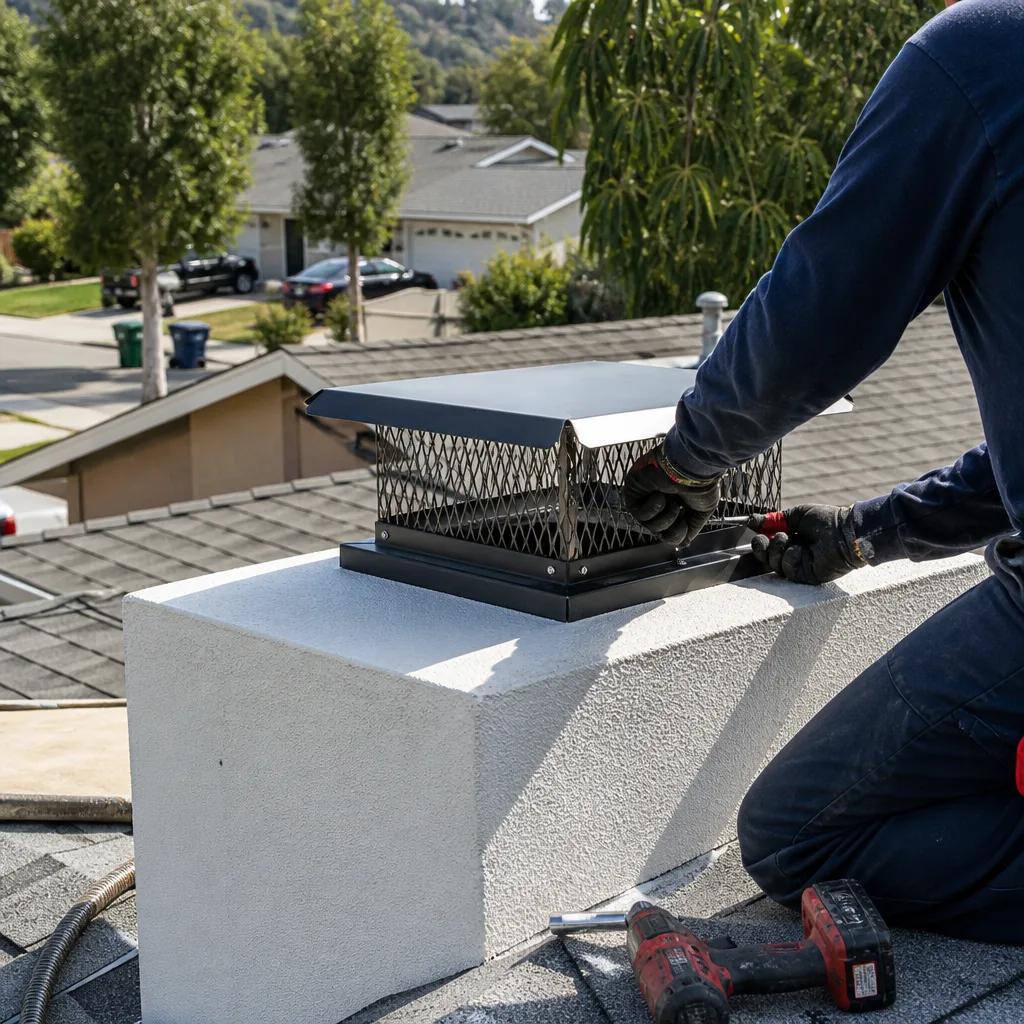
Olympia Chimney manufactures chimney caps, dampers, and chase covers. Gelco produces a line of chimney waterproofing products and crown repair materials. These are smaller-ticket items compared to liners, but the same logic applies: a contractor who stocks these brands can replace a rusted damper, install a proper rain cap, or waterproof a crown in the same visit. A contractor who doesn’t is writing you a parts list and sending you to a hardware store.
How to Read a Chimney Cleaning Estimate
A written estimate is a screening tool. The way it’s structured tells you as much about the contractor as the price at the bottom. Here’s what a legitimate chimney cleaning estimate in La Habra should include, line by line.
The Line Items That Belong on Every Cleaning Estimate
- Inspection level: The estimate should state the inspection level (Level 1, Level 2, or Level 3) that’s included with the cleaning. If the estimate doesn’t mention an inspection level, the contractor is not following NFPA 211 standards, which is a disqualifier.
- Cleaning scope: This should specify which components are being cleaned: the flue liner, the smoke chamber, the damper, and the firebox. A cleaning that only specifies the flue liner is a partial cleaning.
- Camera scan: If camera inspection is included, it should appear as a line item or be explicitly noted as included. If it’s not on the estimate, it’s not included.
- Drop cloths and dust containment: A professional sweep in La Habra should specify how they’ll protect your home during the cleaning. We use high-powered HEPA vacuums and drop cloths as standard. If the estimate doesn’t mention it, ask.
- Disposal: The estimate should state that all debris and creosote removed from the chimney will be hauled away. This is usually a small line item or a note, but it should be there.
- Total cost and payment terms: Self-explanatory, but the estimate should be a flat price for the stated scope, with any variables (such as excessive creosote buildup) disclosed in writing before work begins.
What Should Not Be on a Cleaning Estimate
- Repair recommendations without inspection: If the estimate includes a liner replacement or crown repair quote and no inspection has occurred yet, that’s a contractor selling repairs before they’ve looked at the chimney.
- Vague scope language: “Chimney cleaning and inspection” with no detail is not a scope. Ask for the specifics. You’re entitled to know exactly what you’re paying for.
- Lowball pricing without explanation: In La Habra, a basic chimney cleaning with a Level 1 inspection typically runs from $150 to $350 depending on the chimney’s condition and the level of inspection. If you’re quoted $79, you’re getting a brush through the flue and nothing else. That’s not a bargain, it’s a partial service.
Red Flags Specific to the Southern California Market
Every region has its own contractor warning signs. La Habra and the surrounding Orange County and Los Angeles County markets have a few worth knowing by name.
The Post-Rain Door-Knocker
Southern California gets most of its rain in a handful of heavy winter storms. After each one, roofers and “chimney specialists” materialize in neighborhoods like North La Habra and the La Habra Heights foothills, knocking on doors and offering to inspect for storm damage. For how to prepare before storms hit, read our Chimney Cleaning Emergency Preparedness Guide for La Habra Homes. Some are legitimate. Many are not. A contractor who shows up uninvited and offers a free roof inspection that conveniently finds chimney damage is running a sales script, not a service call. If you want a post-rain chimney check, you call the contractor. The contractor should never be calling you from your front porch.
The Perpetual Discount
Some chimney cleaning companies in the SoCal market run perpetual discounts: “50% off this month only,” “senior special,” “neighborhood special.” A business that can afford to discount its core service by half is either overcharging the other half of its customers or underpaying its technicians, which means rushing jobs. Neither outcome benefits you. A legitimate pricing structure is consistent and tied to the actual scope of work.
The No-Camera “Inspection”
Covered at length above, but it bears repeating in the red-flag context: any contractor in La Habra who says camera inspection isn’t necessary for a routine cleaning is not performing a meaningful inspection. No exceptions.
The No-Written-Scope Verbal Quote
A verbal quote is not a quote. It’s a number with no memory. We write every scope before starting work, and we can’t imagine working any other way. If a contractor balks at putting the scope in writing, that’s a red flag you can’t negotiate around.
What to Expect During the Appointment
A professional chimney cleaning in La Habra follows a predictable sequence. Knowing it in advance helps you spot when a contractor is cutting corners.
Step 1: Interior Protection
The technician should lay drop cloths around the fireplace and position a HEPA vacuum at the firebox opening. The vacuum should run continuously during the cleaning to pull dust and debris out of the home’s living space. If the technician doesn’t set up dust containment, ask them to. You don’t want creosote dust settling on your furniture.
Step 2: The Cleaning
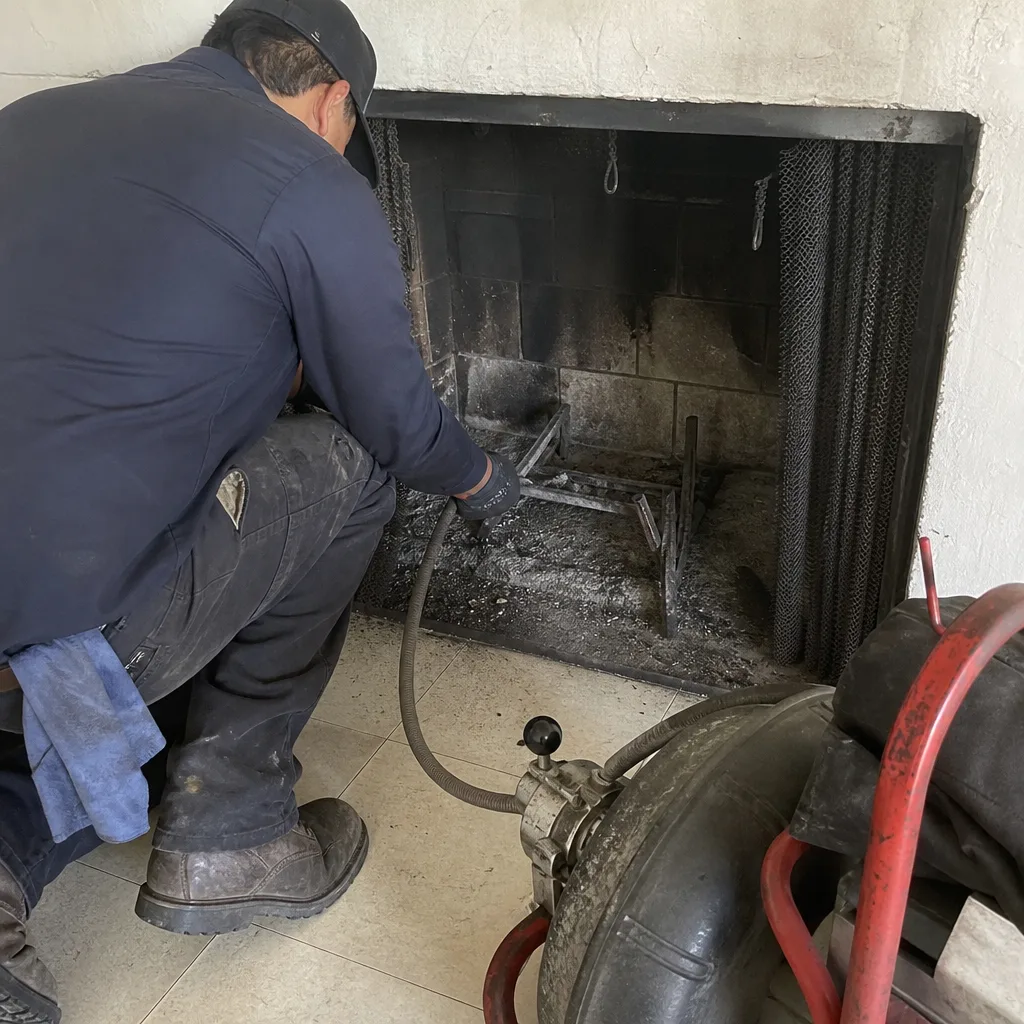
The technician brushes the flue liner from either the top or bottom of the chimney using brushes sized to your chimney’s dimensions. The process should take 45 minutes to an hour for a standard fireplace chimney. If the technician is done in 15 minutes, they didn’t clean the full length of the flue.
Step 3: The Camera Inspection
After the cleaning, the camera scan should run top to bottom. This is the moment when you should be invited to look at the footage. The technician should review the findings with you and note anything of concern: cracked tiles, gaps in the mortar, water staining, or remaining Stage 3 creosote.
Step 4: The Report and Recommendations
You should receive a written service report at the end of the appointment, including photos from the camera scan and any recommendations for repair work. If repairs are recommended, you should receive a separate written quote with the repair scope itemized. No pressure. No “sign today” discounts. Just the facts and a clear path forward.
After the Cleaning: Documentation and Next Steps
The appointment ends when the technician leaves, but the service isn’t complete until you have your documentation in hand. Here’s what to keep and what to do with it.
Keep the Service Report
Your service report should include the date of the cleaning, the inspection level performed, photos from the camera scan, and the technician’s findings. If you sell your home in La Habra, this report is part of the fireplace disclosure documentation. It’s also evidence that you’ve maintained the chimney, which matters for homeowner’s insurance claims in the event of a fire. File it in the same place you keep your furnace service records.
If Repairs Were Recommended
You don’t need to decide on the spot. Most repairs, including liner restoration and damper replacement, can safely wait a few weeks unless the inspector flagged an immediate safety hazard. If the recommendation is a HeatShield restoration or a DuraFlex reline, ask for a written quote with the repair scope broken out. Compare it with the inspection findings. You saw the camera footage. The recommendation should make sense based on what you saw. For homeowners needing repair work in the nearby South San Jose Hills area, we cover the specifics in our guide to chimney repair in South San Jose Hills.
Annual Maintenance Schedule
For a wood-burning fireplace used regularly during a La Habra winter, an annual chimney cleaning and inspection is the right interval. If you use the fireplace heavily, more than three cords of wood per season, a mid-season check may be warranted. Gas fireplaces still need periodic inspection, though less frequently. The venting system for a gas fireplace can accumulate debris and become obstructed, and the same camera inspection applies.
Common Mistakes to Avoid
- Hiring without verifying CSIA certification: The CSIA database is free to search. The two minutes it takes to confirm the credential is the cheapest insurance you’ll ever buy. It’s also worth checking whether the certification is current, not expired.
- Choosing the lowest quote without checking scope: A $79 chimney cleaning in La Habra is an incomplete service. Compare line items, not just totals. If the lower quote doesn’t include camera inspection and a defined clearing scope, it’s not actually lower.
- Skipping the camera inspection to save money: The camera scan is where the value of the cleaning lives. Without it, you’re paying for a brush-and-go that tells you nothing about the actual condition of your flue. Some La Habra homeowners skip it once, then pay for a reline that could have been caught earlier with HeatShield restoration.
- Allowing a door-knocker to inspect after a storm: Post-rain solicitation is a known pattern in Southern California. Legitimate chimney contractors don’t need to knock on doors to find work.
- Not reading the estimate line by line: Vague language is where upcharges hide. No written scope, no signature, no exceptions.
- Ignoring the dryer vent: The chimney isn’t the only fire hazard in the home. Dryer vents collect lint the same way chimneys collect creosote. For homeowners in the South San Jose Hills area, we’ve written separately about dryer vent cleaning in South San Jose Hills and why it belongs on the same maintenance schedule.
See the difference
 Before
 After
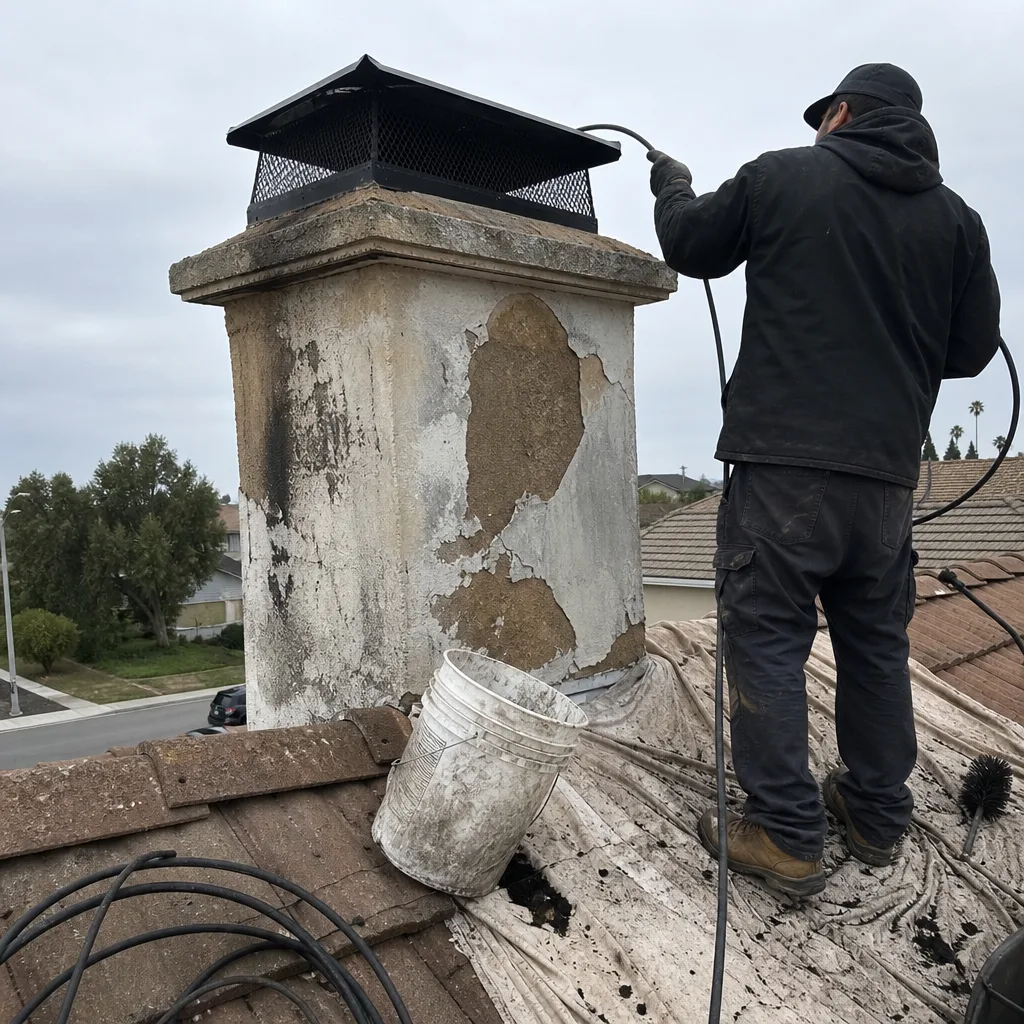 Before
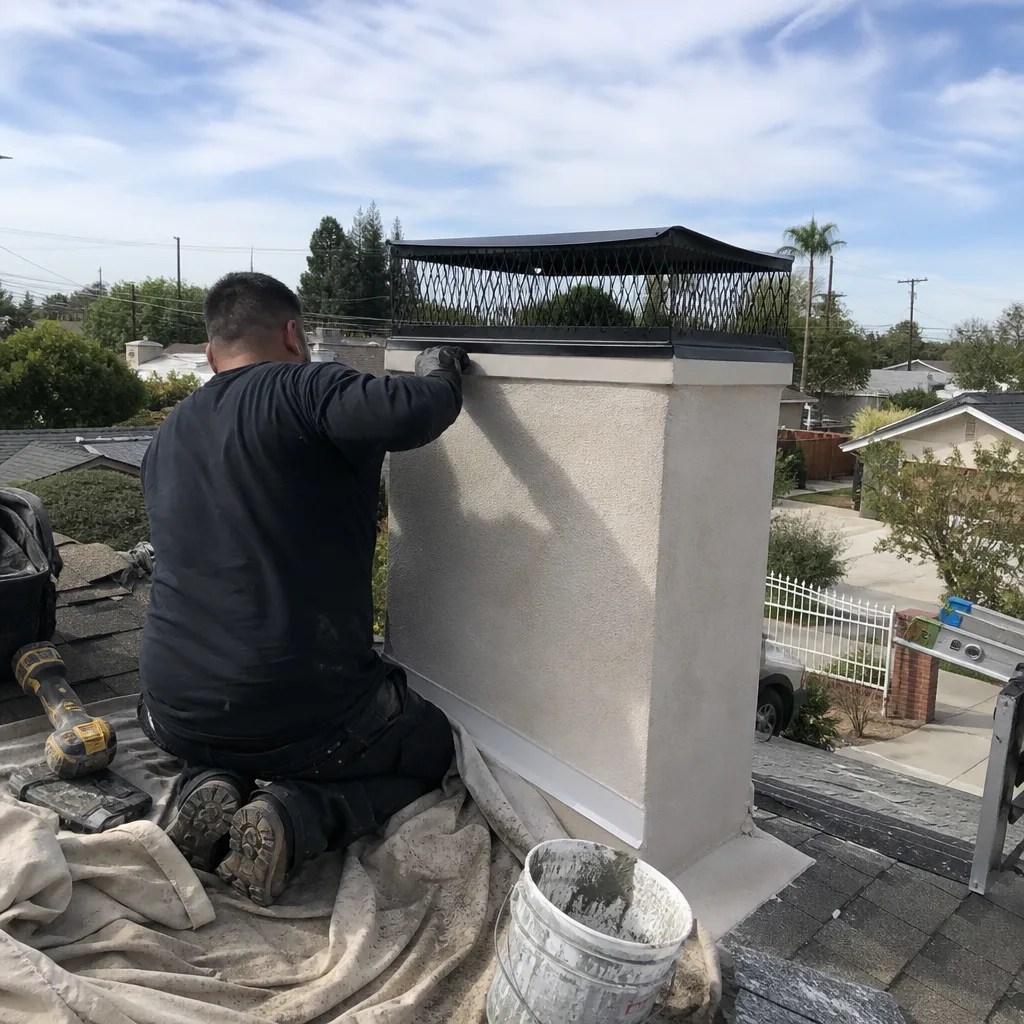 After
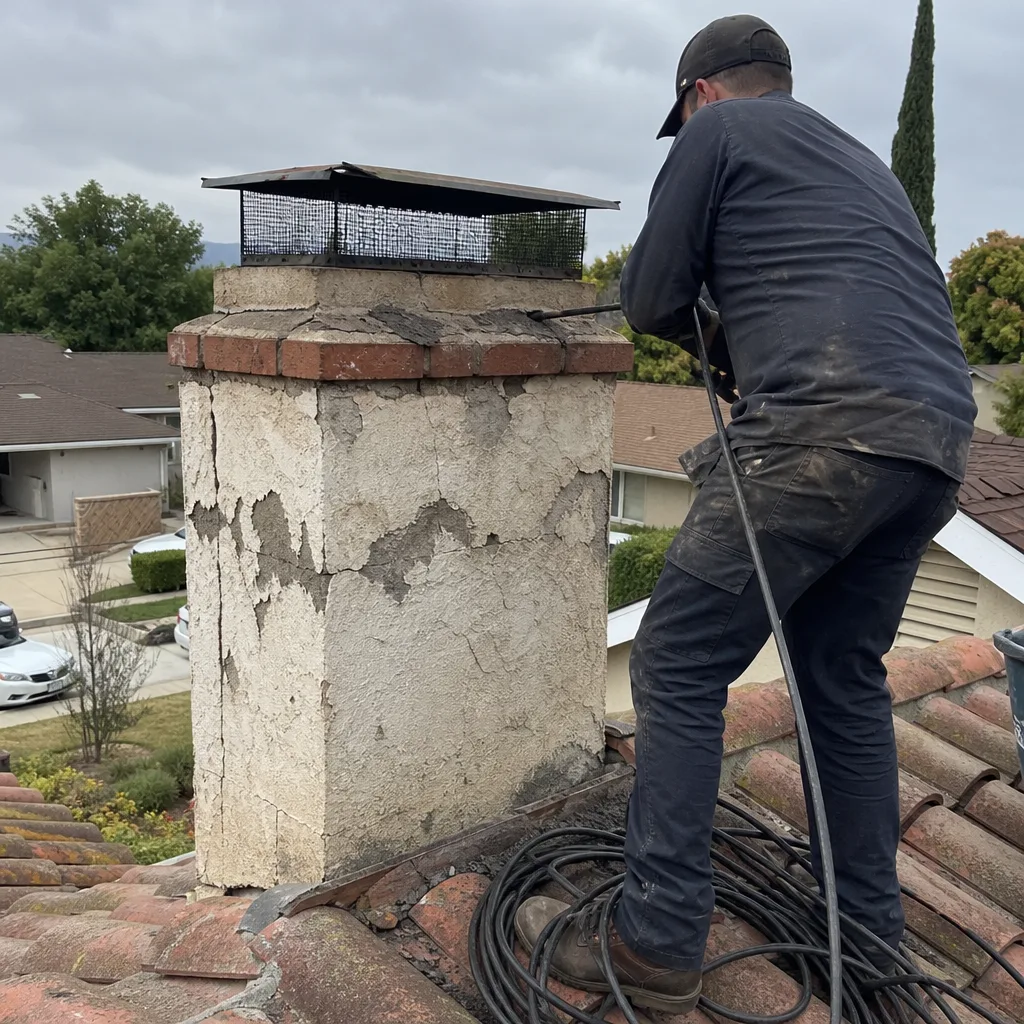 Before
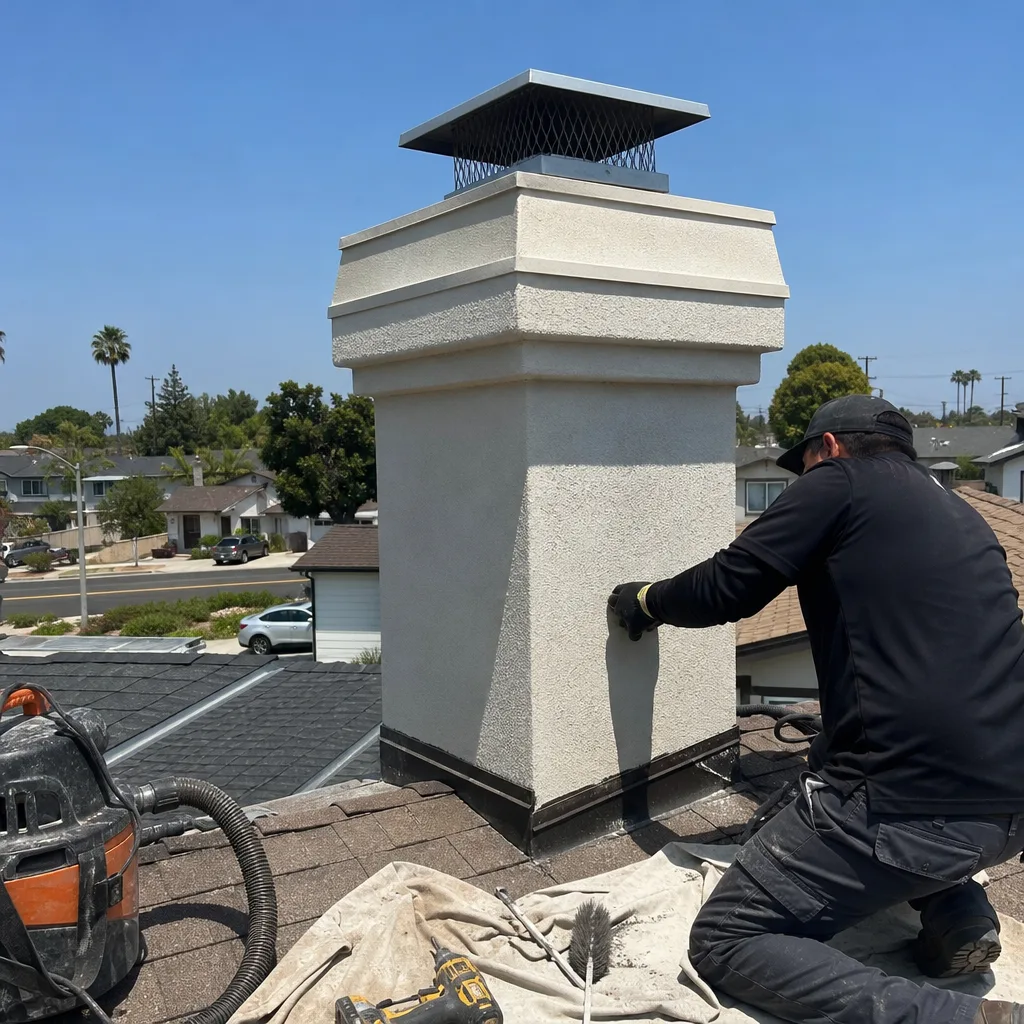 After
When to Call a Professional
Call a chimney professional in La Habra if you haven’t had a chimney inspection in more than two years, if you’ve recently bought a home with a fireplace and don’t have service records, if you’ve burned more than one season without a cleaning, or if you smell smoke or see soot staining around the firebox. The same applies if you’ve had a chimney fire, even a small one that burned itself out, or if you’ve noticed water in the firebox after rain. These are not conditions to wait on. For more guides & resources, explore our blog. Chimney Sweep La Habra offers free estimates in La Habra, and our technicians bring full camera inspection equipment to every appointment. Call (866) 747-8330 to schedule.
Frequently Asked Questions
A standard chimney cleaning with a Level 1 inspection in La Habra typically runs from $150 to $350, depending on the chimney’s condition and the level of inspection performed. For detailed pricing factors, see our Chimney Cleaning Cost Breakdown: The La Habra Homeowner’s Reference for 2026. A Level 2 inspection with camera scan adds to the cost because of the additional equipment and time involved. Repairs, when recommended, are quoted separately with a written scope. Call (866) 747-8330 for an exact quote, we provide free estimates for every job in La Habra.
For a wood-burning fireplace used regularly during the winter in La Habra, an annual sweep is the recognized standard. The NFPA recommends sweeping when creosote buildup reaches 1/8 inch, but without a camera inspection, you can’t measure that from the ground. Annual service catches the buildup before it becomes a safety issue, and for active burners, it’s the right interval.
Not always. A deteriorating clay tile liner can sometimes be repaired with a HeatShield restoration, which coats the flue interior with a ceramic sealant and avoids full replacement. If the liner is structurally compromised or severely damaged, a DuraFlex stainless steel liner is the right call. The key is seeing the camera footage yourself before agreeing to either path. A legitimate contractor in La Habra will show you the evidence and explain why one option fits your chimney better than the other.
Creosote accumulates in layers. Once it reaches Stage 2 thickness, it becomes a hardened, tar-like substance that restricts airflow and fuels chimney fires. Stage 3 creosote is combustible enough that a hot fire can ignite it, and chimney fires can reach 2,000 degrees, which is enough to crack clay liners and spread to the home’s framing. Beyond fire risk, a blocked or restricted flue forces carbon monoxide back into the living space. These are not theoretical hazards, they’re the reasons the maintenance schedule exists.
No. California does not have a state-specific chimney sweep license, which is why CSIA certification and company vetting matter so much. Any general contractor license a sweep might hold covers broader construction work, not chimney expertise. The CSIA credential is the industry-specific benchmark, and it’s verifiable online in minutes.
A full-service ventilation specialist can handle both, and combining the appointments makes scheduling sense. Dryer vents collect lint, which is just as combustible as creosote, and a clogged dryer vent is one of the leading causes of home fires. Chimney Sweep La Habra offers chimney sweeping, chimney repair, and dryer vent cleaning under one roof, so the same crew can handle both in a single visit. Call (866) 747-8330 if you want both services scheduled together.
The Bottom Line
Hiring a chimney cleaning contractor in La Habra comes down to verification, not trust. Verify the CSIA certification is current. Verify the contractor uses camera inspection as standard practice, not an upsell. Verify they carry professional-grade repair materials like HeatShield and DuraFlex, because those brands mean the contractor can diagnose and repair in one visit instead of referring you to someone else. Get the inspection level in writing. Get the scope in writing. And never accept a verbal quote. The difference between a $150 sweep-and-leave and a proper chimney service is not the price, it’s what you know about your chimney when they leave. We’d rather you know everything.
Written by the team at Chimney Sweep La Habra, serving La Habra since 2014.