
Last updated November 2, 2026
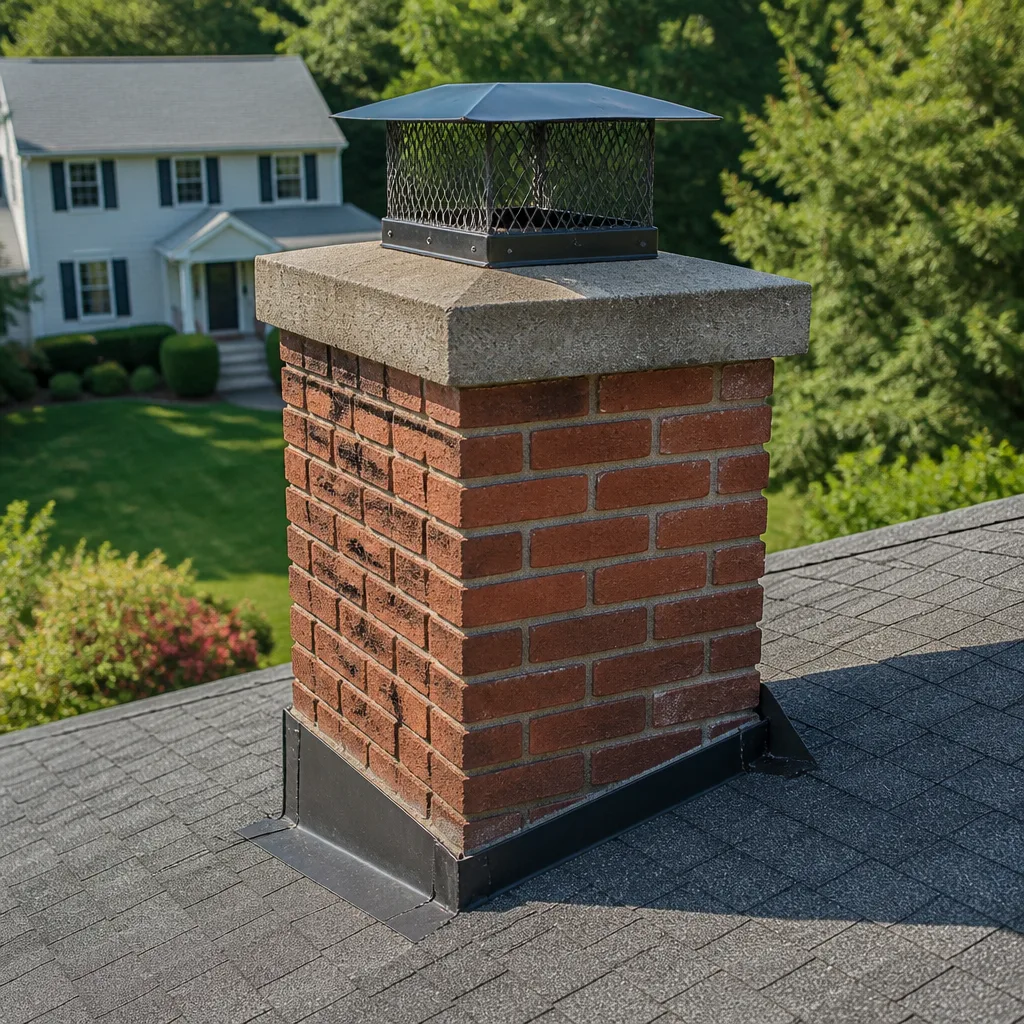 Sweep & inspection
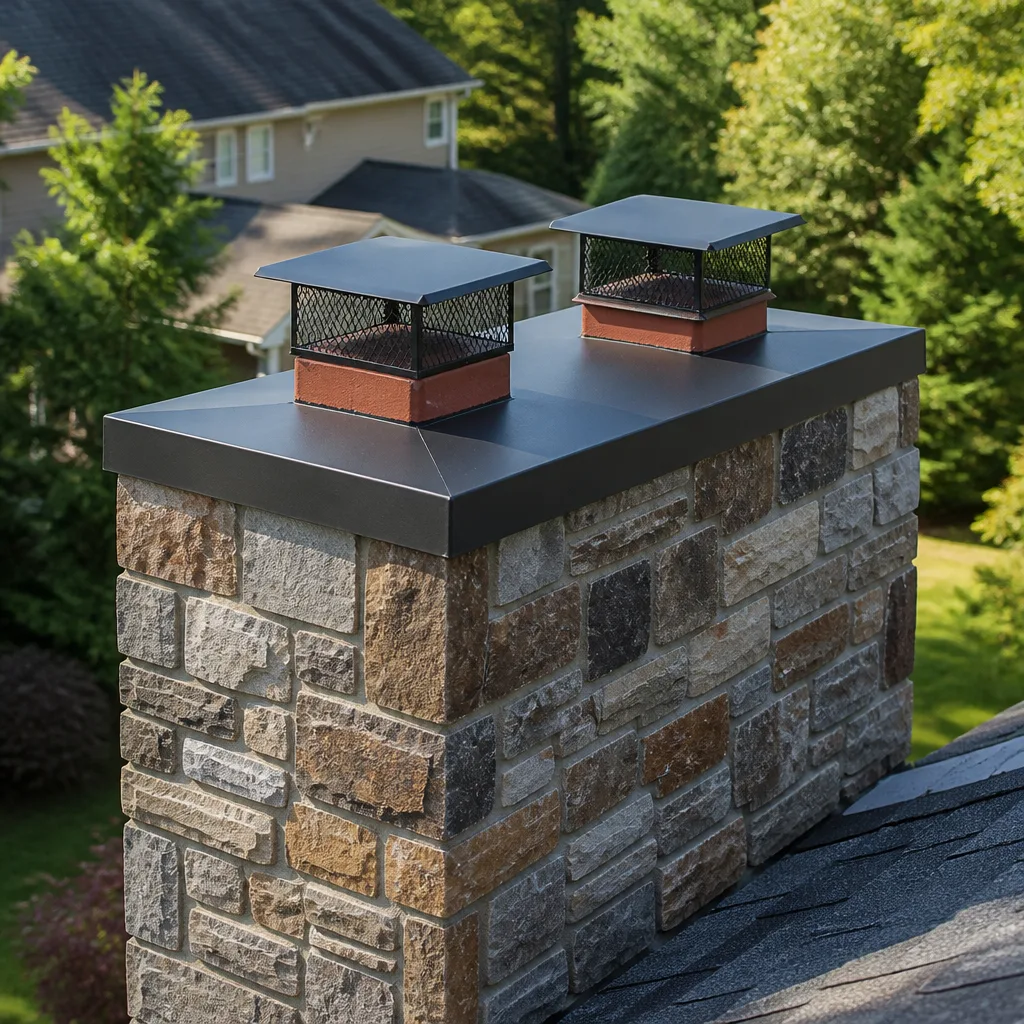 Caps & crowns
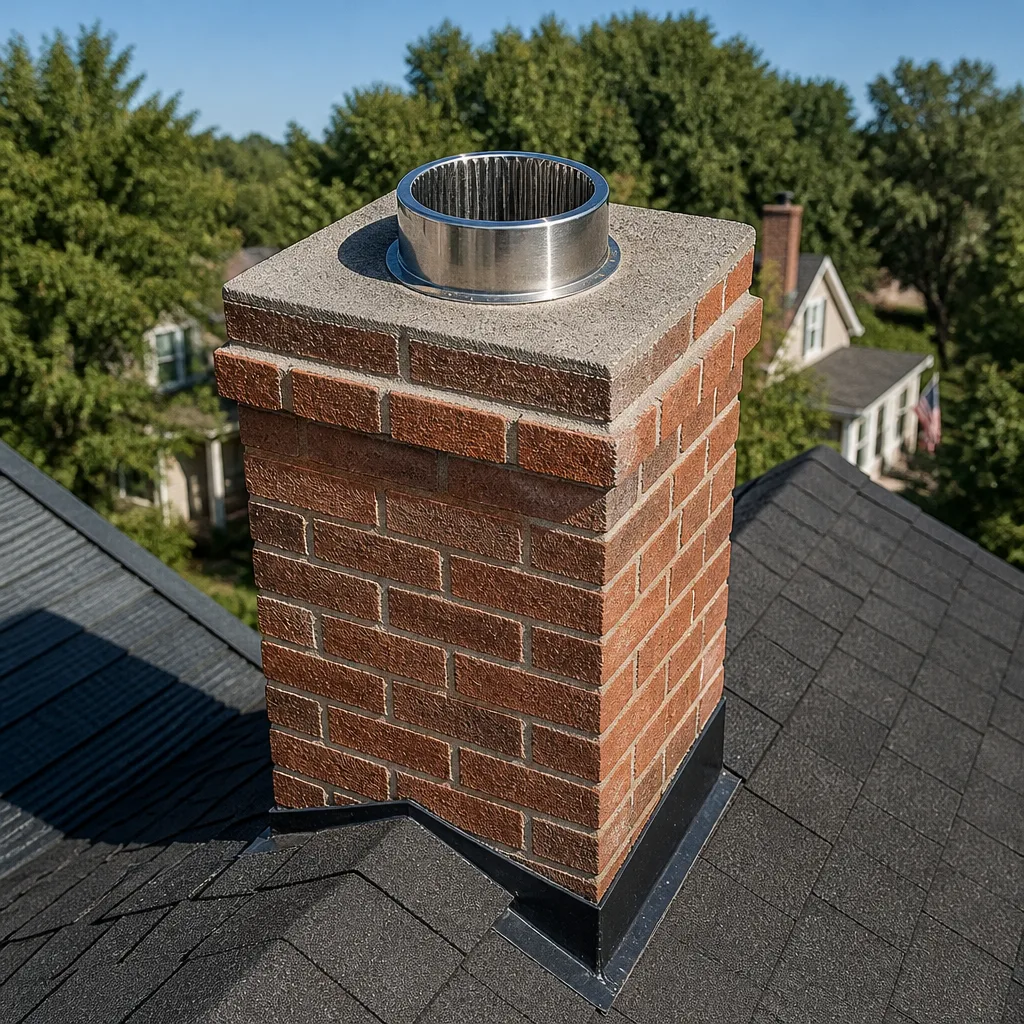 Flue relining
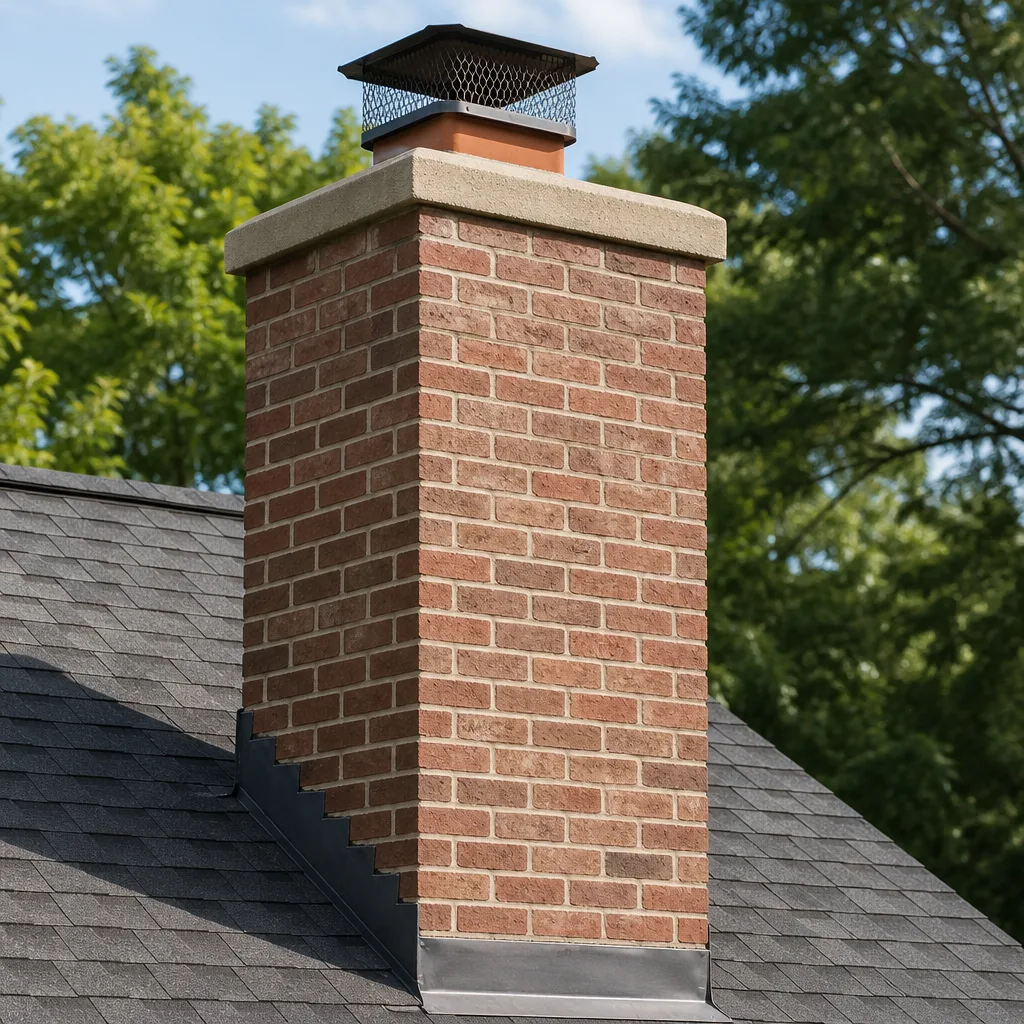 Masonry repair
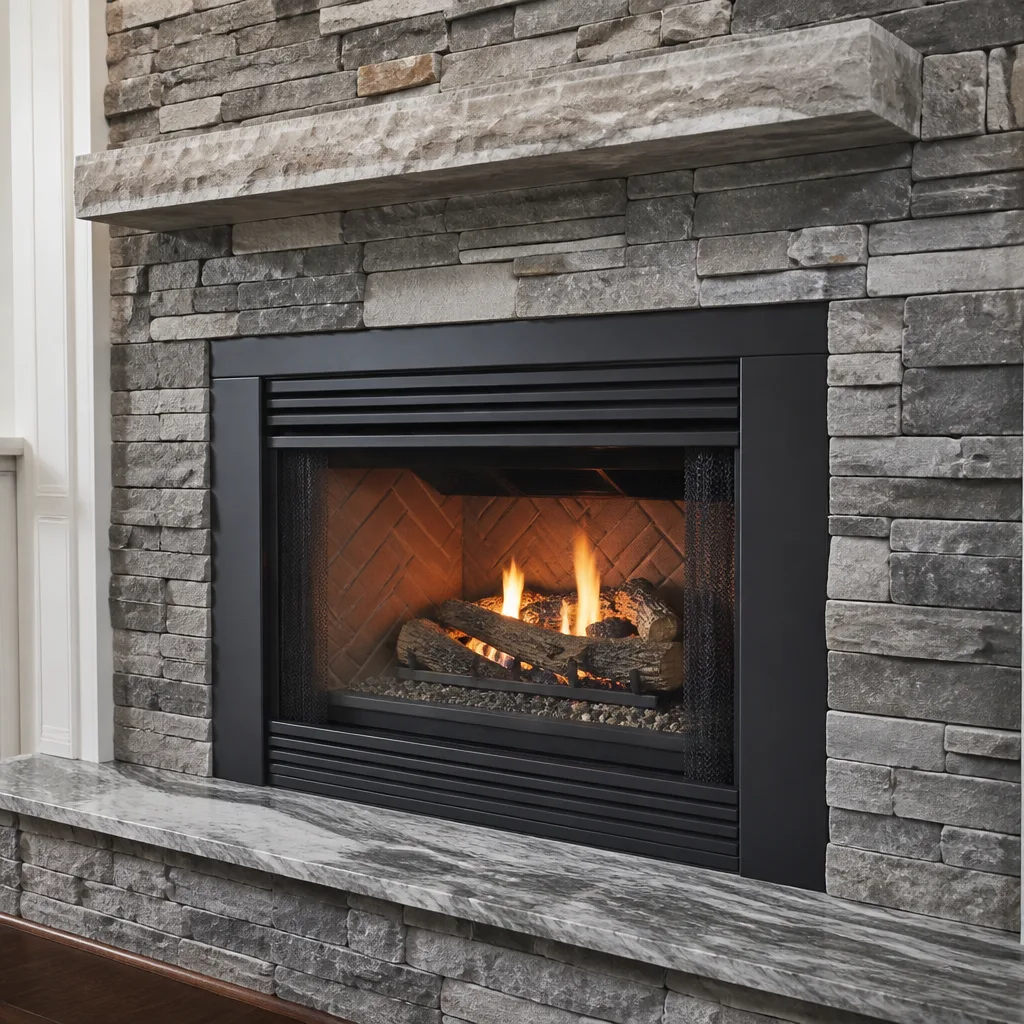 Gas fireplace service
Level 1 sweep and inspection to the NFPA 211 annual standard - flue, crown, cap, and flashing checked and photographed
Chimney sweep logs do not sweep chimneys. They loosen some creosote - which then falls where a brush and vacuum still have to collect it.
Chimney Cleaning Permits, Codes & Inspections in CA: What You Need to Know
If a contractor replaces your flue liner without pulling a permit in California, that work is legally undocumented – and when you sell your home, it becomes your problem, not theirs. That single sentence captures why permits matter more than most homeowners realize. A chimney sweep is maintenance. A liner replacement is construction. California draws a hard line between those two categories, and where your project falls determines whether you need paperwork, inspections, and a paper trail that follows your house into the next sale. This guide walks through the California Residential Code sections that apply to chimney work, how LA County Building and Safety actually handles permits, what a NFPA 211-compliant inspection covers, the insurance consequences of unpermitted work, and the specific situations that trigger a legally required Level 2 camera inspection. For more guides & resources on keeping your chimney safe and compliant, explore our blog. If you own a home in La Habra or anywhere in Los Angeles County, this is the information most contractors never volunteer.
Quick Answer
Routine chimney sweeping and basic maintenance do not require a permit anywhere in California. However, any structural chimney alteration – including flue liner replacement, firebox rebuilding, chimney crown repair, or changes to the chimney’s dimensions or materials – requires a building permit from your local enforcement agency, which in La Habra is the city’s Building Division. When in doubt, call your local building department before work starts; unpermitted structural work creates title problems at sale and can give an insurance company grounds to deny a chimney fire claim.
Styles & brands we work with
- Sweep & inspection
- Caps & crowns
- Flue relining
- Masonry repair
- Gas fireplace service
Table of Contents
- Maintenance vs. Alteration: The Legal Line Under California Code
- How LA County and La Habra Handle Chimney Permits
- What a NFPA 211-Compliant Inspection Covers
- How NFPA 211 Aligns With California Title 24
- The Insurance Angle: Unpermitted Work and Your Claim
- When a Level 2 Inspection Is Legally Required
- What You Can Do Yourself vs. What Requires a Licensed Contractor
- Common Mistakes to Avoid
- When to Call a Professional
- Frequently Asked Questions
Maintenance vs. Alteration: The Legal Line Under California Code
The California Residential Code (CRC) treats chimney work as two entirely different activities. The distinction comes down to one question: are you restoring the chimney to its original condition, or are you changing it?
Maintenance work – which requires no permit – includes what the code calls “ordinary repairs.” This covers chimney sweeping, flue brushing, minor mortar pointing on the exterior brick (as long as you’re not rebuilding sections), replacing a chimney cap with an identical or equivalent model, and cleaning out creosote buildup. The code allows homeowners to perform this work or hire a professional sweep without pulling paperwork. In La Habra, a routine chimney sweep falls clearly into this no-permit category, which is why most annual cleanings happen without any municipal involvement.
Alteration work – which requires a permit – includes anything that changes the chimney’s structure, dimension, material, or function. The trigger list is specific:
- Replacing a clay tile flue liner with stainless steel, including a DuraFlex flexible liner system
- Applying HeatShield resurfacing material that changes the liner’s fire resistance rating
- Rebuilding the firebox with new firebrick and refractory mortar
- Replacing a damaged chimney crown with a poured concrete crown
- Demolishing and rebuilding any portion of the chimney stack
- Adding a chimney to a home that didn’t previously have one
- Converting a wood-burning fireplace to gas (which also requires a California Energy Commission approval)
Here’s the nuance that catches homeowners off guard: a chimney sweep can find a cracked flue tile during routine maintenance and the cleaning itself is still permit-free. But the moment you decide to fix that crack with HeatShield resurfacing or a new liner, the repair becomes an alteration. The permit is triggered by the fix, not the discovery. We see this play out constantly in La Habra and across North Orange County – homeowners who believe their “repair” was just part of the cleaning service, only to discover years later that no permit was ever pulled for liner work. If you’re unsure whether your chimney needs attention, our Chimney Cleaning Warning Signs: A La Habra Homeowner’s Reference Guide can help you spot problems early.
How LA County and La Habra Handle Chimney Permits
Here’s where geography matters. La Habra is one of the few Orange County cities that falls partly under Los Angeles County jurisdiction for certain services, but building permits go through the City of La Habra Building Division, not the county. That’s good news – city-level permit approval is typically faster and more responsive than county-level review.
The standard process for a chimney alteration permit in La Habra follows these steps:
- Determine the permit type. Most chimney liner replacements and firebox rebuilds fall under a standard “residential building permit.” Larger structural projects (full chimney rebuilds, second-floor chimney additions) may require plan review and structural engineering.
- Prepare the submittal package. You’ll need a scope of work description, the product specifications for any liner system or resurfacing material (brands like DuraFlex, HeatShield, and Copperfield all publish spec sheets that building departments accept), and photos of the existing chimney condition.
- Submit and pay. La Habra’s Building Division processes most residential chimney permits within one to two weeks. Permit fees for a typical liner replacement run $150 to $400 depending on project valuation.
- Schedule the inspection. At minimum, you’ll need a final inspection after the work is complete. For full relining projects, an inspector may want to see the liner in place before the top plate and cap are secured.
- Keep the final approval. The signed-off permit is your documentation that the work was done legally. This is the piece of paper you’ll want when selling your home.
Who pulls the permit? California law allows homeowners to pull their own permits on owner-occupied single-family homes, but here’s the catch: when you pull the permit yourself as the owner, you assume legal responsibility for the work being code-compliant. If a contractor does the work and pulls the permit, their license is on the line. Most homeowners are better served having the licensed contractor pull the permit. It shifts liability and ensures the contractor actually stands behind the work long enough to pass inspection. A contractor who asks you to pull your own permit for structural chimney work is asking you to take responsibility for their craftsmanship – that’s a red flag worth paying attention to in La Habra and anywhere else in California.
What a NFPA 211-Compliant Inspection Covers
NFPA 211 is the National Fire Protection Association standard for chimneys, fireplaces, venting systems, and solid fuel-burning appliances. It’s the benchmark that California building officials, insurance companies, and professional chimney sweeps all reference. The standard defines three levels of inspection, and understanding them matters because they map directly to what California code and real estate law require.
Level 1 inspection is the routine check performed during an annual chimney sweeping. It covers the readily accessible portions of the chimney interior and exterior, verifies that the chimney is free of obstruction and combustible deposits, and confirms that the basic installation meets code. A Level 1 includes a visual check of the flue, firebox, damper, chimney cap, and exterior masonry – but no camera work. This is the standard inspection during most routine maintenance visits in La Habra, where many homes have wood-burning fireplaces that see regular seasonal use. Following a Chimney Sweep Maintenance Checklist for La Habra Homeowners helps ensure nothing gets missed during these annual visits.
Level 2 inspection adds video camera scanning of the entire flue interior. It’s the only way to see hairline cracks in clay tile liners, deteriorated mortar joints between tiles, and hidden creosote accumulation behind the damper. A Level 2 also includes all Level 1 components plus inspection of accessible attics, crawlspaces, and basements around the chimney structure. You’ll see the camera footage yourself, if the technician is doing the job right.
Level 3 inspection is invasive – it involves opening walls or removing chimney components to access concealed areas. This is only warranted when a Level 2 reveals a problem that can’t be diagnosed visually, such as suspected damage inside a masonry chimney that’s fully enclosed by walls.
The key takeaway for La Habra homeowners: a standard chimney sweep is not the same as a camera inspection. If you’re buying a home, selling a home, or haven’t had your chimney evaluated in a decade, a Level 2 is the minimum defensible standard. The cost difference between Level 1 and Level 2 is modest – typically $75 to $150 more in the La Habra market – and the information gap between the two is enormous.
How NFPA 211 Aligns With California Title 24
California’s Title 24 Building Standards Code is the state’s overlay on top of the national model codes. Title 24 references NFPA 211 directly for chimney and fireplace requirements, but it adds California-specific provisions that go further than the national standard.
Three Title 24 provisions matter most for chimney work:
- Energy efficiency requirements. Title 24 Part 6 sets minimum performance standards for fireplace doors, gaskets, and dampers in new installations. If you’re replacing a damper or adding fireplace doors as part of a repair, the replacement components need to meet current Title 24 efficiency specs. Older La Habra homes with original 1960s or 1970s fireplace hardware often trigger this requirement during repair work.
- Seismic anchoring. California’s seismic design requirements apply to chimney construction and alterations. Chimneys over certain heights must be seismically reinforced, and any chimney rebuild must include the anchor straps and reinforcing required for California’s seismic zones. La Habra sits in a moderate-to-high seismic area, so this isn’t a theoretical concern.
- Air quality rules. The South Coast Air Quality Management District (SCAQMD) governs wood-burning restrictions in La Habra and throughout the Los Angeles Basin. While not technically part of Title 24, SCAQMD rules interact with chimney work in ways that matter: on no-burn days, you can’t legally use your fireplace, and significant chimney alterations are permitted regardless because they improve safety. But a gas conversion or fireplace insert installation must comply with SCAQMD particulate standards.
In practice, the NFPA 211 inspection standard and Title 24’s code requirements work together. The inspection identifies what’s wrong; the California code dictates how the fix must be executed. A sweep who knows both standards can tell you not just that your chimney has a problem, but exactly which California code sections govern the repair and whether a permit is required. When issues do surface, our Chimney Sweep Troubleshooting: Common Problems and How to Fix Them breaks down typical repairs and their permit requirements. That’s the level of detail that separates a true specialist from a generalist who happens to own a brush.
The Insurance Angle: Unpermitted Work and Your Claim
Here’s the scenario nobody talks about until it’s too late: a chimney fire causes $30,000 in damage, you file a claim, the adjuster finds evidence that the flue liner was replaced without a permit, and the claim is denied. This isn’t hypothetical. Insurance companies in California have become increasingly aggressive about examining chimney history after fire claims, because chimney fires are one of the most preventable causes of structural loss.
The legal basis for denial comes from the policy’s “concealment or fraud” clause and the implied warranty that the home’s systems were maintained in a code-compliant manner. If unpermitted structural work contributed to the fire – even indirectly – the insurer can argue that the risk was misrepresented. Even if the fire wasn’t caused by the unpermitted work itself, an insurer may deny the claim on the grounds that they insured a home with undisclosed, non-compliant modifications.
Beyond claims, unpermitted work can affect your home insurance premiums and policy renewal. California insurers have pulled policies entirely in high-fire-risk areas after discovering unpermitted modifications to fireplace systems. The insurance market in Southern California has tightened dramatically in recent years, and companies are looking for reasons to non-renew.
The simple way to protect yourself: if the work altered the chimney’s structure, demand a permit. On the repair side, when we complete liner work with a DuraFlex system or restore a flue with HeatShield in La Habra homes, the permit is part of the job – not an optional add-on. If a contractor quotes you a liner replacement without mentioning permits, that’s not a discount. That’s a liability you’re inheriting.
When a Level 2 Inspection Is Legally Required
Certain situations in California make a Level 2 camera inspection not just recommended, but effectively mandatory. Here are the four triggers homeowners in La Habra need to know:
- Real estate transactions. California’s standard real estate disclosure forms ask about fireplace and chimney condition, but the practical requirement comes from buyer’s inspections and lender requirements. If a home inspection flags any chimney concern, the buyer will typically demand a Level 2 camera inspection by a certified sweep. If you’re selling a home in La Habra, a pre-listing Level 2 inspection gives you documented evidence of chimney condition before negotiations start. This documentation has saved deals and head off renegotiation attempts.
- After a chimney fire. Any fire in the flue – even a small one that seemed to burn itself out – requires a Level 2 inspection before the chimney is used again. Chimney fires compromise clay tile liners in ways that aren’t visible without camera inspection. The liner can develop cracks that allow heat transfer to the home’s framing, setting up a far more dangerous structural fire. NFPA 211 is explicit on this point: no inspection, no further use.
- After any seismic event in the region. Southern California experiences regular seismic activity, including the 5.1-magnitude La Habra earthquake in 2014. NFPA 211 specifies that any earthquake felt in the home’s area should trigger a Level 2 inspection before the next chimney use. Masonry chimneys are particularly vulnerable to invisible internal damage during shaking. What looks fine from the outside can be fractured inside the flue. Given La Habra’s seismic exposure, this applies to essentially every home in the city at some point in its ownership cycle.
- After an external event that could have damaged the chimney. Falling tree limbs, roof work, a chimney sweep that encountered unexpected obstruction, or any impact to the chimney stack warrants a Level 2 before continued use. If a roofer tells you they “bumped” the chimney, the correct response is camera verification, not a shrug.
In each of these cases, the inspection serves a documentation function as well as a safety function. The camera record becomes your evidence of due diligence – critical if you ever need to prove to an insurer or a buyer that you took reasonable steps to maintain the chimney.
What You Can Do Yourself vs. What Requires a Licensed Contractor
California draws another line here that surprises many homeowners. Some chimney maintenance is legitimately safe for a careful DIYer. Some chimney work is genuinely dangerous. Here’s where the lines actually fall:
Safe for homeowners to handle:
- Visual inspection of the firebox from the living room side (using a flashlight)
- Checking the damper opens and closes properly
- Confirming the chimney cap is present and visually intact from ground level
- Clearing obvious debris from the spark arrestor screen using a roof-safe ladder, if you’re comfortable on a roof
- Scheduling a professional sweep rather than doing the cleaning yourself
Not safe – requires a trained professional:
- Anything requiring access to the flue interior beyond the damper
- Creosote removal using chemical or mechanical methods
- Liner inspection, repair, or replacement (DuraFlex liner installation requires specialized training and experience)
- HeatShield resurfacing application – this is a specialized system that requires certification
- Firebox rebuilding, crown repair, or mortar repointing beyond superficial cracks
- Any work on a roof without proper fall protection equipment
Here’s the part that gets glossed over: chimney sweeping seems simple enough – it’s just a brush on a rod – but the dangers go beyond falling off a roof. Creosote is a respiratory irritant and potential carcinogen. Soot disturbed by amateur cleaning gets pulled into the home’s air. Improper brush use can damage a clay liner that was already compromised. The professional standard exists for a reason: a certified sweep handles the soot, the creosote, the roof access, and the disposal under controlled conditions. In La Habra, where older homes with original clay liners are common, amateur cleaning creates more cracked liners than it ever prevents. We regularly see DIY cleaning attempts that pushed damaged tiles past the breaking point.
Common Mistakes to Avoid
- Assuming the sweep included a permit. A chimney sweep is maintenance, and maintenance doesn’t require a permit. But if the sweep found a problem and did a “quick repair,” that repair might have needed one. Ask directly: was anything repaired or replaced beyond cleaning, and if so, was it permitted? Silence is not reassurance.
- Skipping the city when replacing a liner. A new flue liner is structural work under California code. Full stop. If you or a contractor replaced a clay liner with stainless steel – including a DuraFlex system – without a La Habra permit, you’ve created a title disclosure problem. It’s fixable, but the fix involves retroactive permits and possibly exposing finished work for inspection.
- Treating the chimney cap as optional. A missing cap is how La Habra’s weather and wildlife get into your flue. Rain, wind-blown debris, birds, and squirrels all enter through an uncapped chimney. Copperfield and Olympia Chimney make caps in various sizes, and installation is a simple job. A $150 cap prevents a $1,500 liner problem.
- Ignoring no-burn days. SCAQMD no-burn restrictions apply in La Habra, and fines for violations are real. Check the daily advisory before lighting a fire. This isn’t a code issue exactly, but it’s a compliance issue that can come back on you.
- Believing “it’s just cosmetic” without camera proof. Cracked firebrick inside the firebox can look like an aesthetic issue when it’s actually a sign of heat damage to the structural firebox. The only way to distinguish cosmetic from structural is a Level 2 camera inspection. Guessing wrong means fighting a fire with a garden hose at 2 a.m.
- Hiring a general handyman for liner work. Liner replacement and HeatShield restoration require specialized training, specific equipment, and access to professional materials. A handyman who “can do chimneys” is using whatever liner they found at the hardware store, and that’s not a material you want inside your flue.
- Never keeping records of cleaning and inspection. Documentation of annual sweeping and periodic camera inspections is your evidence of proper maintenance. When you sell your La Habra home, that paper trail answers the buyer’s questions before they become objections. When you file an insurance claim, it demonstrates that you did what a reasonable homeowner should do.
When to Call a Professional
Call a professional when any of these apply: you smell smoke in the house after a fire has burned out, you see white staining on exterior brick (efflorescence is a moisture warning sign), you hear debris falling into the firebox, your damper won’t fully open or close, you see cracks in the firebox brick larger than a credit card’s thickness, or you haven’t had a camera inspection in the last five years while using the fireplace regularly. These aren’t conditions to monitor and revisit. They’re indicators that the chimney system has a structural or clearance problem that can only be properly diagnosed with tools and experience you don’t have at home. Chimney Sweep La Habra offers free estimates in La Habra – call (866) 747-8330 to schedule a cleaning or inspection. We’ll tell you what needs to be fixed now, what can wait, and what’s simply not a problem.
Frequently Asked Questions
No. Routine chimney sweeping and visual inspection are classified as maintenance under the California Residential Code and require no permit in any California city, including La Habra. A permit is only triggered when structural work is performed – liner replacement, firebox rebuild, crown repair, or any modification to the chimney’s structure or materials.
Most residential chimney alteration permits in La Habra cost between $150 and $400 depending on the project’s declared valuation. A typical flue liner replacement permit falls in the $200 to $300 range. The permit fee is small relative to the cost of the work itself, which is why skipping the permit is never worth the savings. Call (866) 747-8330 if you want help determining whether your planned work requires a permit.
Yes, but you’ll have legal disclosure obligations and potentially a negotiation problem. California sellers must disclose known unpermitted work, and buyers frequently demand retroactive permits or price reductions. In competitive markets like La Habra, unpermitted chimney work can delay closing by weeks while retroactive permit applications are processed and inspections are scheduled.
The National Fire Protection Association recommends a chimney sweeping and Level 1 inspection whenever creosote buildup reaches 1/8 inch, which for most wood-burning fireplaces in La Habra translates to once per year if you use the fireplace regularly during burning season. If you burn mostly on weekends from November through February, annual service is the right cadence. Homes that rarely use the fireplace can often extend to two years, but the camera inspection should still happen annually if you want to catch liner deterioration early.
A sweep removes creosote and soot from the flue using brushes and vacuum equipment. An inspection evaluates the chimney’s structural condition using the three-level NFPA 211 system, which may include video camera scanning. Most professional sweeps in La Habra combine both services in one visit: the cleaning clears the flue enough for the camera to get a clear picture, and the inspection tells you whether the chimney is safe to use. We stock cleaning equipment, cameras, and repair materials from brands like Copperfield and HeatShield on the truck, so the diagnosis and the fix happen in the same appointment.
Most standard homeowners policies don’t require annual chimney inspections as a policy condition, but some insurers in high-fire-risk areas now ask about fireplace maintenance history at underwriting and renewal. After a claim involving any fireplace or chimney, the insurer will almost certainly request your maintenance records. Documented annual sweeping and Level 2 camera inspections strengthen your position; a complete absence of records makes it easy for the adjuster to argue neglect. For La Habra homeowners with wood-burning fireplaces, consistent documentation is the cheapest insurance policy upgrade available.
The Bottom Line
Chimney permits in California come down to a simple question: are you maintaining the chimney or changing it? Maintenance needs no permit. Structural alteration does. The grey area disappears when you understand what triggers the line – liner replacement, firebox work, crown repair, any material or dimensional change. Get camera proof before accepting a repair recommendation. Demand a permit for structural work. Keep every record, because the paper trail protects you at sale and after a fire. In La Habra, where wood-burning fireplaces are common, older homes are the norm, and seismic events are a reality, the cost of doing these things right is measured in hundreds. The cost of doing them wrong is measured in denied claims, cancelled escrows, and fires that never had to start.
Written by the team at Chimney Sweep La Habra, serving La Habra since 2014.
See the difference
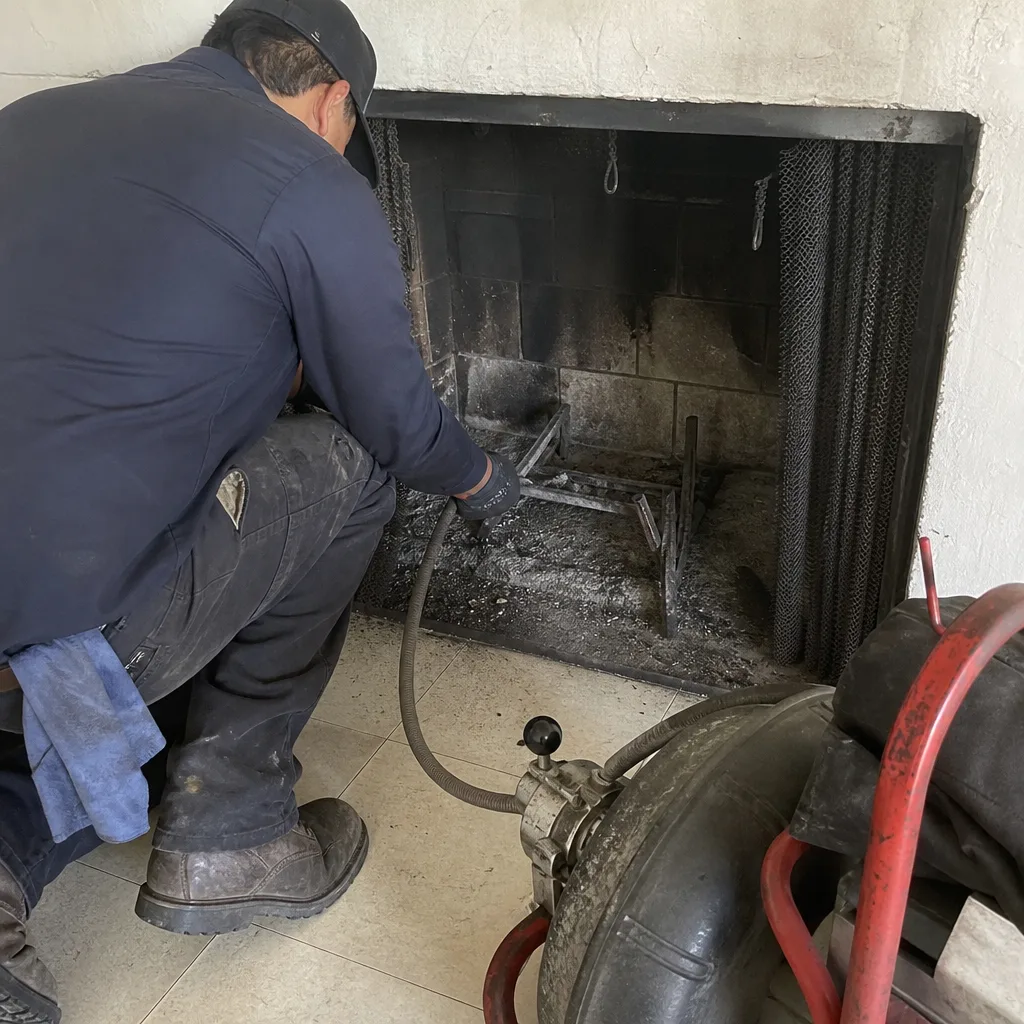 Before
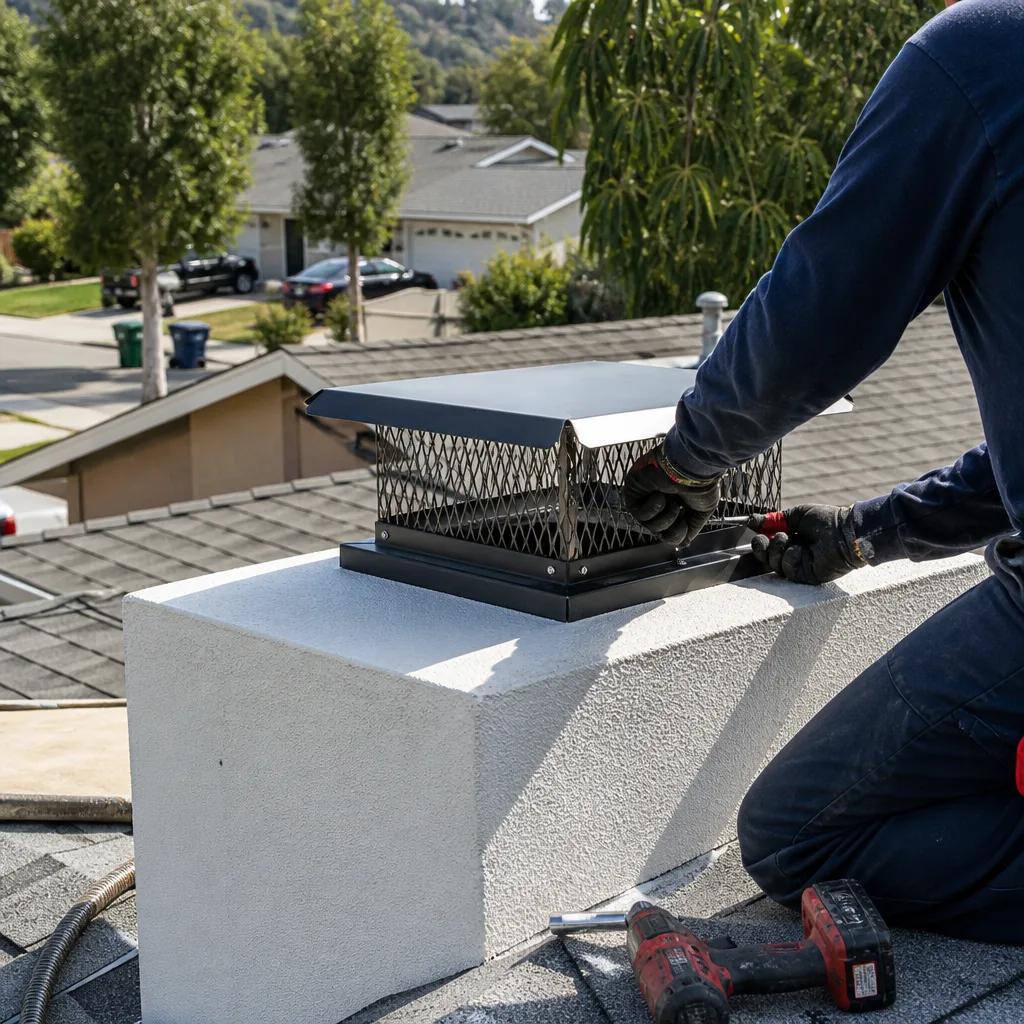 After
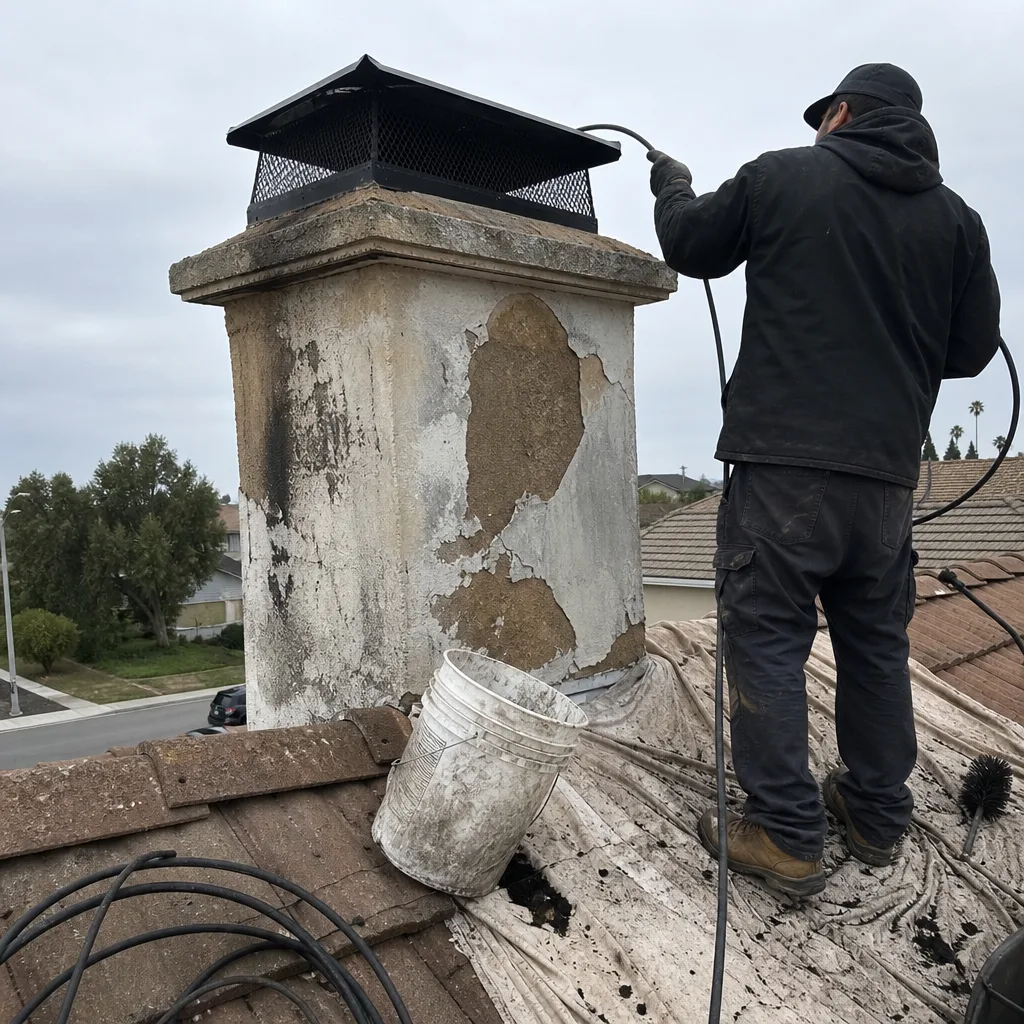 Before
 After
 Before
 After