
Last updated November 3, 2026
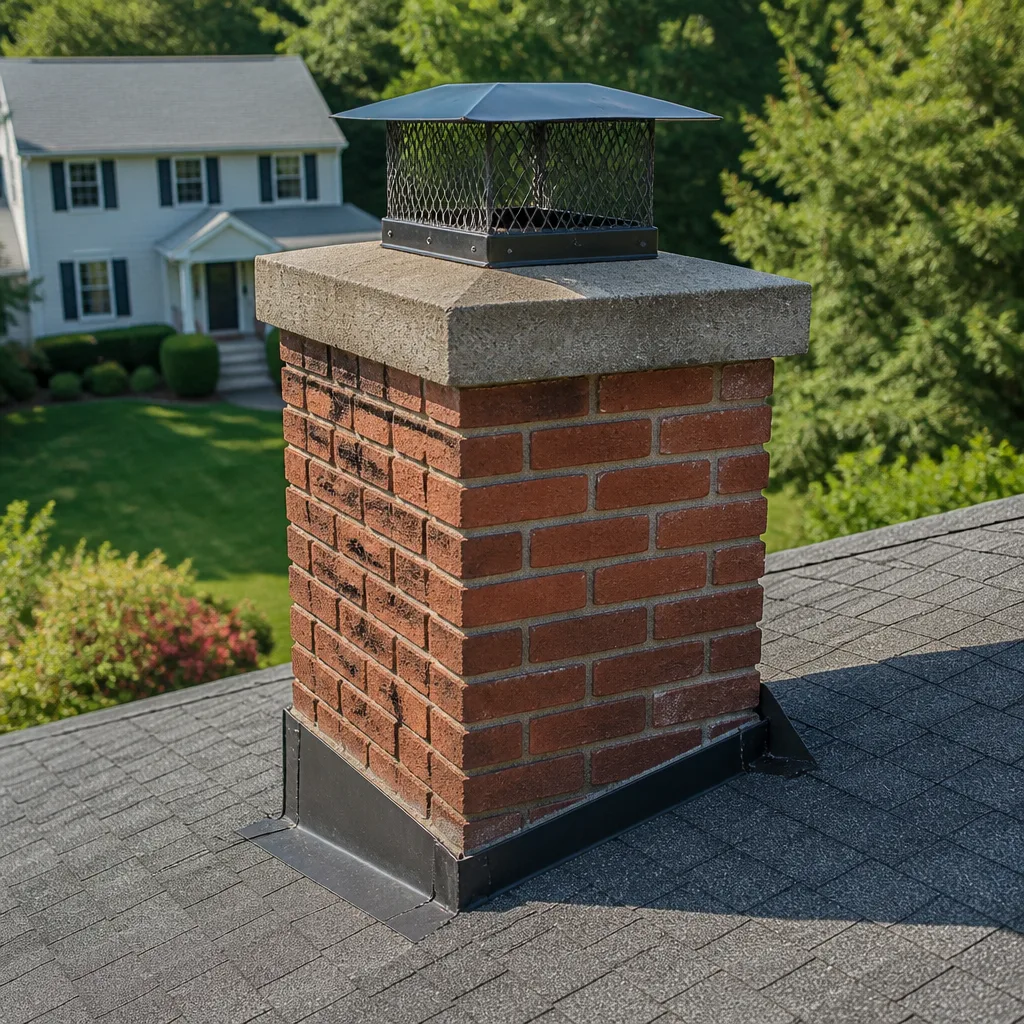 Sweep & inspection
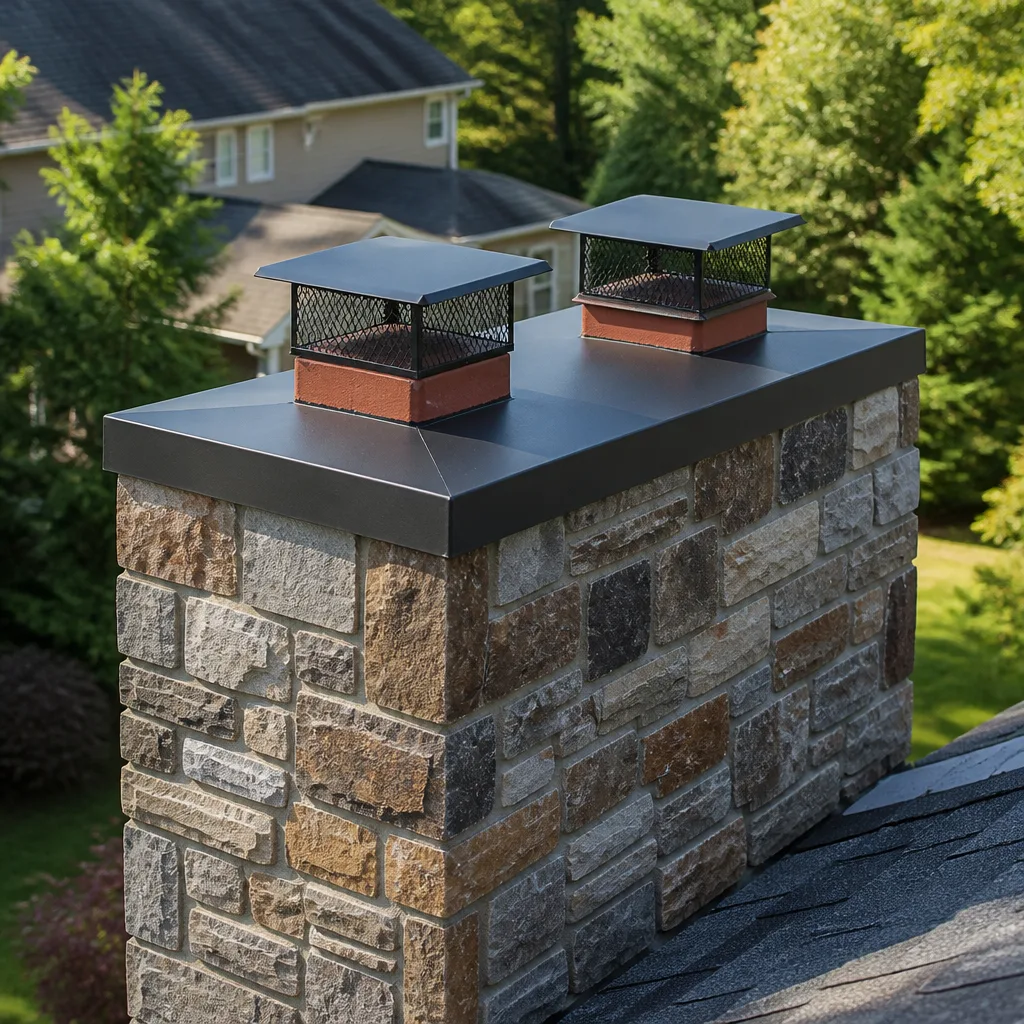 Caps & crowns
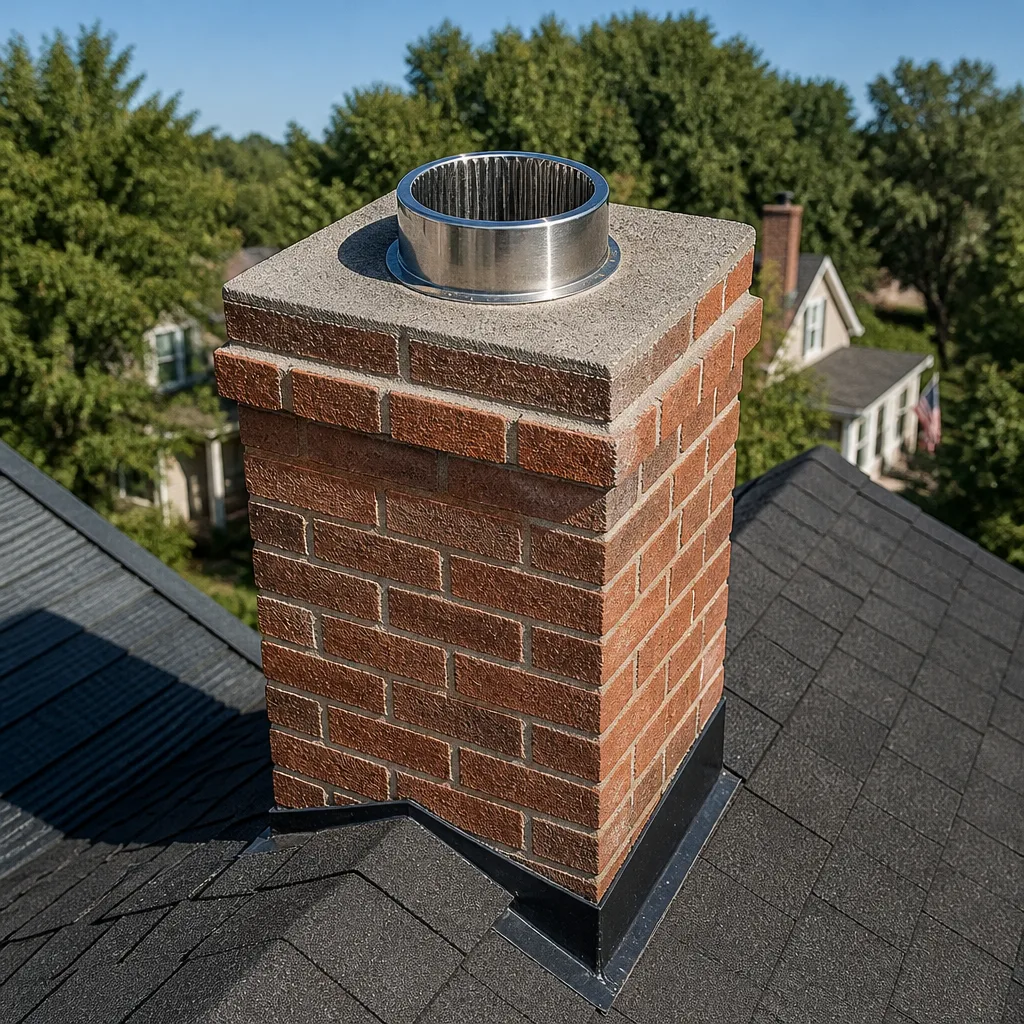 Flue relining
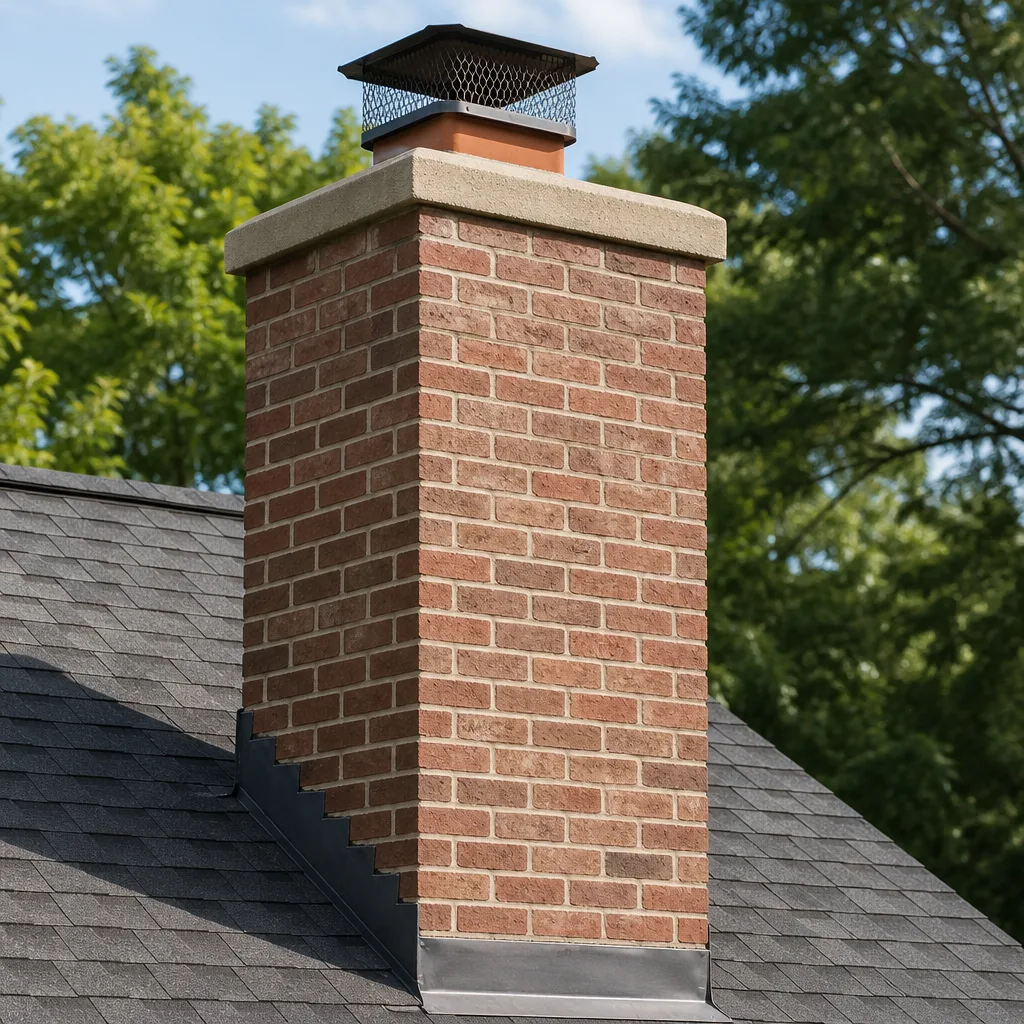 Masonry repair
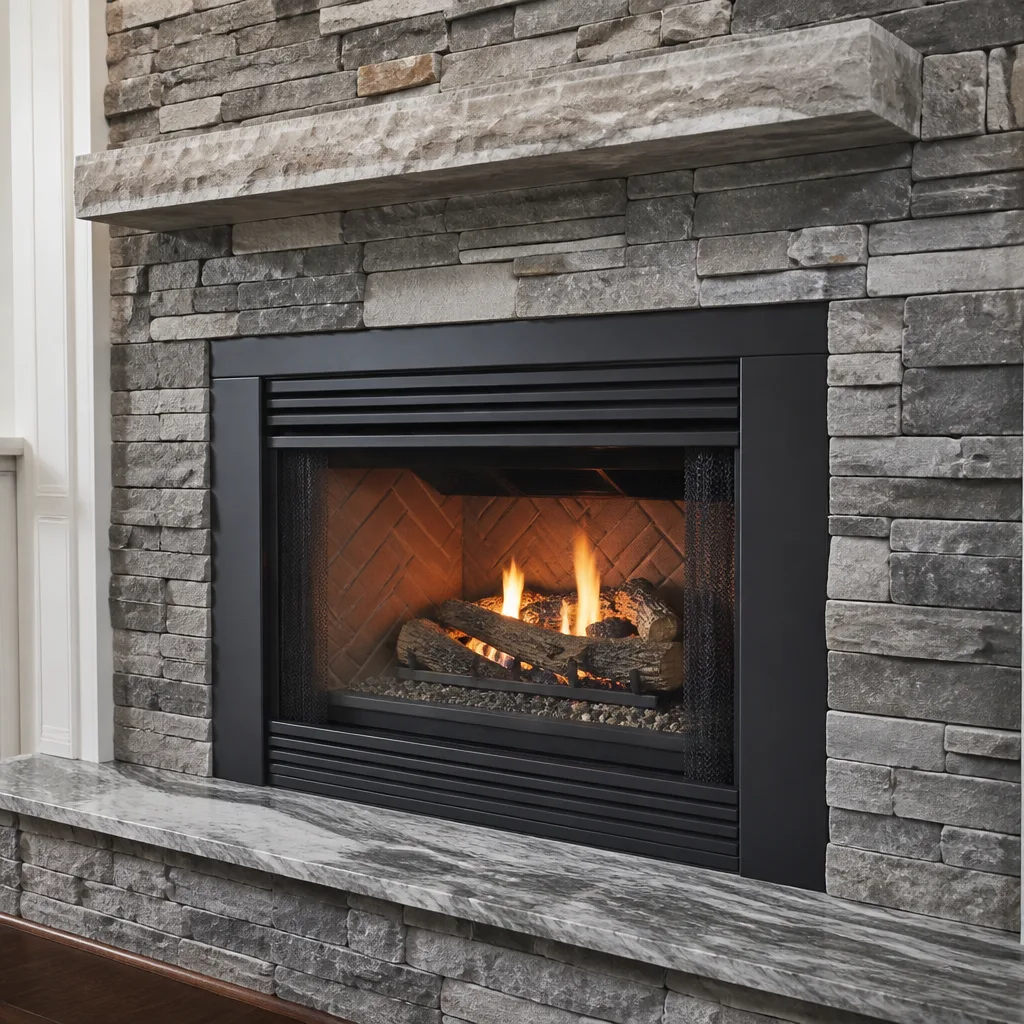 Gas fireplace service
Level 1 sweep and inspection to the NFPA 211 annual standard - flue, crown, cap, and flashing checked and photographed
Chimney sweep logs do not sweep chimneys. They loosen some creosote - which then falls where a brush and vacuum still have to collect it.
Choosing the Right Chimney Cleaning Brand: A Buyer’s Guide for La Habra
Most homeowners never ask what materials their chimney contractor uses, which is exactly why so many cleanings produce results that last one season instead of five. The difference between a sweep that simply removes soot and one that actually restores and protects your chimney comes down to the brands on the truck. In La Habra, where older homes with original masonry chimneys are common and Santa Ana winds push weather systems through the region each fall, the materials matter more than most people realize. This guide – along with our Complete Chimney Sweep Guide for La Habra Homeowners – explains what DuraFlex, HeatShield, and Copperfield actually do, why they’re specified by professional chimney companies, and how to use this knowledge to vet any contractor before you hire them. By the time you finish reading, you’ll know more about chimney materials than most people who charge to clean them.
Styles & brands we work with
- Sweep & inspection
- Caps & crowns
- Flue relining
- Masonry repair
- Gas fireplace service
Quick Answer
The right chimney cleaning brand isn’t a single product; it’s a set of professional-grade materials and tools your contractor carries and specifies. Look for a company that works with recognized supply brands like DuraFlex for liner systems, HeatShield for flue restoration, Copperfield for brushes and rods, and Famco for caps and venting components. In La Habra, a contractor who stocks these brands on the truck can diagnose, clean, and begin repairs in one visit instead of scheduling a return trip.
Table of Contents
- Why the Brands on the Truck Matter More Than the Price of the Sweep
- DuraFlex: The Liner System That Handles La Habra’s Seismic Reality
- HeatShield: Restoring Flue Tiles Without Tearing Out the Chimney
- Copperfield and Olympia Chimney: Why Professional Brush Systems Clean Better
- Famco Caps and Components: The Difference Between a Fix and a Temporary Patch
- How to Use Brand Knowledge as a Contractor Vetting Tool
- Common Mistakes to Avoid
- When to Call a Professional
- Frequently Asked Questions
- The Bottom Line
Why the Brands on the Truck Matter More Than the Price of the Sweep
A chimney sweep is not a commodity. Two companies can both offer “chimney cleaning” with prices within $50 of each other, yet one produces a result that holds up through three burning seasons while the other leaves creosote deposits that return by February. The difference is almost always the materials. A contractor who arrives with consumer-grade brushes from a hardware store and no repair inventory can only remove loose soot. A contractor who carries professional systems from Copperfield, Olympia Chimney, and Famco can clean thoroughly, identify what’s degrading, and address it before it becomes a structural problem.
In La Habra, this distinction matters because most homes here were built between the 1950s and 1980s. Clay tile liners from that era are now reaching the end of their service life. They crack under thermal stress, and the hairline fractures that begin small become pathways for heat and gas to reach combustible framing. A sweep that only removes surface soot misses this entirely. It’s not that the technician is dishonest; it’s that they don’t carry the tools or parts to do anything about what they find.
Professional-grade materials, not hardware-store substitutes, are the clearest signal of a contractor’s actual service tier. When a company invests in inventory from six recognized professional supply brands, including DuraFlex and HeatShield, they’re telling you something about how they approach the work. They’re equipped to repair, not just to clean. They stock the parts. No waiting on back-ordered components.
The economics work out in the homeowner’s favor, too. A sweep that identifies a deteriorating flue tile early, while it can still be restored with HeatShield resurfacing, costs a fraction of a full liner replacement done three years later after the damage spreads. Knowledge of materials isn’t just trivia; it’s the difference between a $300 maintenance visit and a $4,000 structural repair. That’s why this guide exists.
DuraFlex: The Liner System That Handles La Habra’s Seismic Reality
DuraFlex is a flexible stainless steel chimney liner system manufactured specifically for relining masonry chimneys that have lost their original clay tile integrity. It’s made from a continuous coil of stainless steel that gets pulled down through the existing flue and expanded to fit, creating a new, sealed passage for exhaust gases without demolishing the chimney structure. Think of it as a new pipe inside the old one.
Why does flexibility matter in La Habra? Because we live in earthquake country. The Whittier fault runs just north of us, and the Puente Hills thrust system sits beneath the LA Basin. A rigid liner, typically made from segmented stainless sections or cast-in-place materials, can’t absorb the micro-movements that occur during seismic events. Eventually, the joints fail. DuraFlex is engineered to flex without cracking, which makes it the correct specification for homes in LA County and Orange County where ground movement is a permanent risk, not a theoretical one.
There’s a second reason DuraFlex is specified by chimney professionals: installation speed. A full tear-out and rebuild of a chimney flue can take a week and cost more than $15,000. A DuraFlex reline typically happens in one day. The crew removes the damaged liner if necessary, measures the flue, and pulls the new liner through from the roof. The chimney is operational the same week, not a month later. For La Habra homeowners dealing with a failed liner discovered in October, when everyone wants their fireplace working for the holidays, that timeline difference is enormous.
You should know that DuraFlex is not a DIY product. It requires proper sizing, a correctly fitted top plate and rain cap, and often insulation around the liner to maintain proper draft. A badly installed flexible liner can kink, which restricts airflow and creates a new fire hazard. The material is professional-grade for a reason. The Chimney Sweep La Habra home service line includes DuraFlex liner systems for full relining jobs, which means the structural repair happens during the same appointment as the diagnosis, not weeks later.
HeatShield: Restoring Flue Tiles Without Tearing Out the Chimney
HeatShield is a ceramic-based resurfacing material applied to the inside of a chimney flue to seal cracks, gaps, and spalling in existing clay tiles. It’s a repair compound, not a liner. Technicians spray or trowel it onto the damaged surface, where it cures into a smooth, fireproof coating that restores the flue’s integrity. The critical distinction is this: if your flue tiles have minor cracking or mortar joint deterioration but the chimney structure itself is sound, HeatShield is often the correct and most cost-effective fix. If the damage is extensive, a full DuraFlex reline becomes the better answer.
What does HeatShield actually fix? Three things, mainly. First, cracks in individual clay tiles that allow heat and gas to escape the flue. Second, deteriorated mortar joints between tiles, which are the most common failure point in chimneys built before 1980. Third, spalling, which is when the tile surface flakes away under repeated thermal cycling. In La Habra’s older housing stock, we see spalling regularly in homes where fireplaces were used heavily for two or three decades without annual cleaning.
HeatShield restoration carries a meaningful advantage over full relining: it preserves the original flue dimensions. Flexible liners reduce the chimney’s interior diameter slightly, which can be a concern for older fireplaces with already-undersized flues. HeatShield adds only a fraction of an inch, which means your draft characteristics stay essentially unchanged. For the right candidate, it’s the least invasive way to restore safety.
Here’s a step-by-step look at how HeatShield restoration is typically done:
- Camera inspection. The technician sends a video camera through the flue to document every crack, gap, and spall. You see the footage yourself before any recommendation is made.
- Mechanical cleaning. The flue is swept with professional-grade brushes to remove all creosote and debris. The HeatShield compound won’t bond to a dirty surface.
- Surface preparation. The damaged areas are prepared to accept the compound. This may involve light grinding or wire brushing to create a bonding profile.
- Application. HeatShield is applied to the damaged sections using a specialized spray system or trowel, depending on access and the specific product formulation.
- Cure and reinspection. The compound cures, typically within a day, and a final camera pass verifies the seal is complete.
One thing to understand clearly: HeatShield is certified repair technology, but certification means the technician has been trained in proper application. A contractor who “kind of knows” how to use it can produce a coating that fails within a year. Ask specifically whether the technician performing the work has manufacturer training. If the answer is vague, get another quote.
Copperfield and Olympia Chimney: Why Professional Brush Systems Clean Better
If you’ve ever bought a chimney brush at a home center, you’ve used something fundamentally different from what professional chimney companies run. Consumer brushes are typically made with thin-gauge wire or plastic bristles attached to fiberglass rods. They work, sort of, on a light dusting of soot. They don’t work on glazed creosote, which is the tar-like residue that actually causes chimney fires.
Copperfield is a professional chimney supply company that manufactures brushes, rods, and specialized cleaning tools for the trade. Their brush systems use heavier-gauge wire, denser bristle packing, and rods that connect with positive-locking mechanisms rather than screw-together joints that loosen inside the flue. The difference in cleaning action is measurable: a professional-grade brush of the correct diameter removes more creosote per pass and reaches more surface area than a homeowner tool.
Brush diameter matters more than most people think. A chimney flue is built to a specific dimension, typically 6, 8, 10, or 12 inches round or square. If a technician uses a brush that’s an inch too small, the bristles don’t make full contact with the flue walls, leaving creosote deposits behind that continue to build. If the brush is too large, it can wedge and create a dangerous stuck-tool situation. Professional crews carry brushes in multiple sizes and select based on the flue’s actual measured dimensions. Consumer sets usually offer one or two sizes and force you to guess.
Olympia Chimney fills a similar role in the professional supply chain. Their product line includes rods, brushes, and inspection equipment built for repeated commercial use. The rods are a key detail: cheap rods flex too much under torque, which means the brush bounces off the flue walls instead of pressing against them. Professional rod systems are stiffer, which translates directly into cleaning action where it matters. In La Habra chimneys that have gone several years between cleanings, that additional stiffness is the difference between removing glazed creosote and simply polishing its surface.
The practical takeaway: when you’re vetting a chimney company, ask what they sweep with. If they say “brushes” without naming a system, ask what brand and what diameter they’ll use for your flue size. A professional answer sounds like “Copperfield poly brush, 8-inch round” or “we’ll inspect the flue and match the brush to the actual dimensions.” A handyman answer sounds like “whatever fits.” The difference matters.
Famco Caps and Components: The Difference Between a Fix and a Temporary Patch
Famco is a manufacturer of chimney caps, dampers, and venting components built for residential and commercial use. The company’s products are found on professional trucks, not big-box shelves, and there’s a reason: their caps are fabricated from heavier-gauge stainless and galvanized materials than consumer alternatives, with seams and mounting systems designed for decades of exterior exposure.
In La Habra, chimney caps face two specific enemies. The first is UV exposure. We average nearly 280 sunny days a year, and the sun beats down on roof-mounted hardware relentlessly. Cheap caps with thin powder coating fade, chalk, and eventually expose the bare metal underneath. Within three to five years, they rust through. Famco caps use materials and finishes rated for this kind of exposure, which is why they’re specified by contractors who don’t want callbacks.
The second enemy is Santa Ana wind. When those winds push through the canyons in October and November, they routinely sustain 30 to 50 mph with higher gusts. A flimsy cap with a weak mounting system can loosen, rattle, or blow clean off the chimney. Beyond the nuisance, a missing cap leaves the flue open to rain, leaves, and nesting animals. Famco caps mount with positive mechanical fasteners sized to hold through wind events that routinely strip lesser hardware.
Gelco plays a similar role for specialized venting components, particularly in the caps and covers category. Their products are engineered to professional specifications, and the difference between a Gelco or Famco component and what you’ll find at the hardware store is noticeable the moment you hold both in your hands. The material is thicker, the welds are cleaner, and the fitment is exact rather than universal. “Universal fit” is a euphemism for “doesn’t fit anything properly.”
When we talk about single-visit capability, this is what it looks like in practice: a technician finds a corroded cap during a cleaning. If the truck carries Famco and Gelco inventory, the replacement happens that day. If the company doesn’t carry parts, you wait a week for a special order, during which your chimney is exposed. The Chimney Repair in South San Jose Hills service approach includes carrying these replacement components on the truck specifically so standard repairs don’t require a second visit.
How to Use Brand Knowledge as a Contractor Vetting Tool
You now know more about professional chimney materials than the average homeowner, and for more guides & resources on keeping your chimney safe, explore our blog. The question is how to turn that knowledge into a better hiring decision. The answer is simpler than you might think: ask, and listen carefully to the response.
Here’s a step-by-step process for vetting any chimney company in La Habra before you book:
- Ask what brand of brushes and rods they use. Listen for Copperfield, Olympia, or another professional supply name. If they can’t name a brand, they’re likely using consumer-grade tools. A company that has invested in professional equipment will tell you about it without hesitation.
- Ask what liner systems they install. If they do repair work at all, the answer should be a specific product name. DuraFlex is the benchmark in flexible stainless. “We reline chimneys” without a product name means “we’ve maybe done one liner job.”
- Ask whether they offer HeatShield restoration. HeatShield is a specific, manufacturer-certified repair system. A company either carries the product and has trained technicians, or it doesn’t. There’s no middle ground. If they say “we use something similar,” they don’t have HeatShield.
- Ask what they keep on the truck. This is the most revealing question. A professional company carries caps, dampers, repair materials, and multiple brush sizes. A sweep-and-gone service carries a brush, a vacuum, and a drop cloth. Both can clean a chimney. Only one can fix a problem discovered during the cleaning.
- Get specifics in writing. Any legitimately qualified chimney contractor will specify the materials and brands they plan to use in the written estimate. If the estimate says “chimney repair” but doesn’t identify the product, ask them to revise it. A professional has no reason to hide the materials they use.
This is not about demanding that every contractor use a specific brand. It’s about ensuring they have an actual material strategy. A contractor who can explain why they specify DuraFlex for relines, when HeatShield is appropriate versus when a full liner is required, and what cap materials hold up to Santa Ana conditions is a contractor who thinks about longevity. That’s the kind of company you want working on a fire safety system attached to your home.
Our Chimney Sweep in South San Jose Hills service line and the rest of our work in the region follow this same material-first approach. We stock the parts. No waiting on back-ordered components.
Common Mistakes to Avoid
- Choosing based solely on the lowest quote. A $99 sweep special usually means the company is losing money on the visit and will try to make it up by selling you something you may not need. Conversely, a $400 sweep with no explanation of what makes it worth $400 should also raise questions. Ask what materials and tools the price includes.
- Assuming all brushes are the same. They aren’t. Consumer-grade brushes with plastic bristles can’t remove glazed creosote, and a brush that’s the wrong diameter leaves dangerous deposits behind. A professional company matches the brush to your flue’s measured dimensions, and they can tell you what size they’ll use.
- Skipping the camera inspection. A visual inspection from the rooftop can’t see what’s happening inside the flue, and a sweep without a camera has no way to verify what was actually removed or what condition the tiles are in. If the company doesn’t offer a video inspection, you’re paying for half a service.
- Accepting a liner recommendation without seeing the evidence. When a contractor tells you the liner needs replacement, they should be able to show you the cracks on a camera screen. If they can’t or won’t, get a second opinion. In La Habra, where older masonry chimneys are common, unnecessary relines are a known upselling tactic among less scrupulous operations.
- Ignoring the cap and crown. The chimney cap isn’t decorative; it’s the first line of defense against rain, animals, and wind-driven debris. A contractor who doesn’t inspect and discuss the cap condition during a sweep is leaving out part of the job. Famco and similar professional-grade caps last decades; cheap alternatives fail in a few years.
- Waiting until October to book. La Habra’s burning season starts the moment evening temperatures dip, which means September and October are the busiest months for chimney service across Southern California. Booking in spring or summer means better scheduling flexibility and often faster service. If you wait until the first cold snap, you’ll be competing with everyone else in the neighborhood.
- Hiring a handyman for chimney work. Chimney systems are fire safety equipment. A general handyman is not equipped to diagnose flue deterioration, doesn’t carry professional repair materials, and typically isn’t insured for chimney-specific liability. The tools and training gap is real, and the consequences of a botched repair can be catastrophic.
When to Call a Professional
Some chimney work is genuinely optional. Some isn’t. Call a professional if you see any of the following: smoke entering the room during a fire rather than drawing up the flue, a strong campfire-like odor in the house when the fireplace hasn’t been used, visible cracks or gaps in the chimney’s exterior masonry, rust on the damper or firebox, water stains on the ceiling near the chimney, or evidence of animals (scratching sounds, nesting material, droppings). These are all indicators that the chimney’s system has been compromised.
Annual cleaning is the baseline; your chimney should be swept at least once per burning season, more if you burn more than two cords of wood or use the fireplace more than twice a week. In La Habra’s climate, where many homes use the fireplace as a secondary heat source from November through February, once per year is the minimum most manufacturers and fire safety organizations recommend.
Chimney Sweep La Habra offers free estimates in La Habra; call (866) 747-8330 to schedule an inspection or discuss what you’re seeing in your fireplace.
Frequently Asked Questions
A standard chimney sweep and inspection in La Habra typically costs between $150 and $350, depending on flue accessibility, the amount of creosote buildup, and whether the job includes a camera inspection. Repairs, liner work, and cap replacement are separate line items. Call (866) 747-8330 for an exact quote on your specific chimney; estimates are free.
DuraFlex is a flexible stainless steel liner system specifically engineered for masonry chimneys with compromised clay tile flues, while a “regular” liner is typically either the original clay tile or a rigid sectional replacement. The flexibility of DuraFlex matters in earthquake-prone areas like La Habra because it can absorb ground movement without cracking at the joints.
If your flue tiles have confirmed cracking, spalling, or deteriorating mortar joints, regular sweeping will not fix the underlying problem; it only removes surface creosote. HeatShield is a ceramic resurfacing compound that seals those cracks and restores the flue’s integrity without a full reline. The correct answer depends on the extent of the damage, which a camera inspection can document.
Once per burning season is the baseline, which in La Habra means an annual cleaning before the heavy-use months of November through February. Homes that burn more than two cords of wood or use the fireplace as a primary heat source may need a mid-season sweep. Green or unseasoned wood creates creosote faster than kiln-dried wood.
Chimney caps in La Habra face intense UV exposure and strong Santa Ana winds, both of which accelerate wear on cheap materials. A professional-grade cap from Famco or Gelco is fabricated from heavier-gauge metal with finishes rated for exterior exposure, which means it holds up through wind events that loosen flimsy alternatives and keeps rain and animals out of the flue.
Creosote accumulates inside the flue, and once it reaches roughly 1/8 inch of buildup, it becomes a fire hazard that can ignite under normal operating temperatures. That buildup also accelerates deterioration of the clay tiles beneath it. Skipping multiple years of cleaning typically means a more expensive removal job when you finally address it, and it increases the likelihood that the flue has suffered damage requiring HeatShield or a DuraFlex reline. Call (866) 747-8330 if it’s been more than two seasons since your last cleaning.
The Bottom Line
The brands a chimney contractor uses are the clearest, most honest signal of what kind of work they actually do. A company that carries DuraFlex liners, HeatShield restoration materials, Copperfield brush systems, and Famco caps is equipped to diagnose, clean, and repair in one visit. A company that doesn’t is limited to sweeping and leaving, which means the problems hiding inside your flue stay exactly where they are. In La Habra, where most homes are old enough to have deteriorating clay liners, that distinction isn’t academic. It’s the difference between a $300 maintenance visit and a $4,000 structural repair. Ask what they carry on the truck. The answer tells you everything you need to know.
Written by the team at Chimney Sweep La Habra, serving La Habra since 2014.
For chimney cleaning, repair, or dryer vent service in La Habra, call (866) 747-8330 to schedule a free estimate. We carry professional-grade materials from DuraFlex, HeatShield, Copperfield, and Famco on every truck. Sweep, inspect, and repair through one crew, in one visit. Dryer vents and chimneys: both are fire hazards. We clear both. Our Dryer Vent Cleaning in South San Jose Hills service addresses the second leading cause of home fires through the same appointment.
See the difference
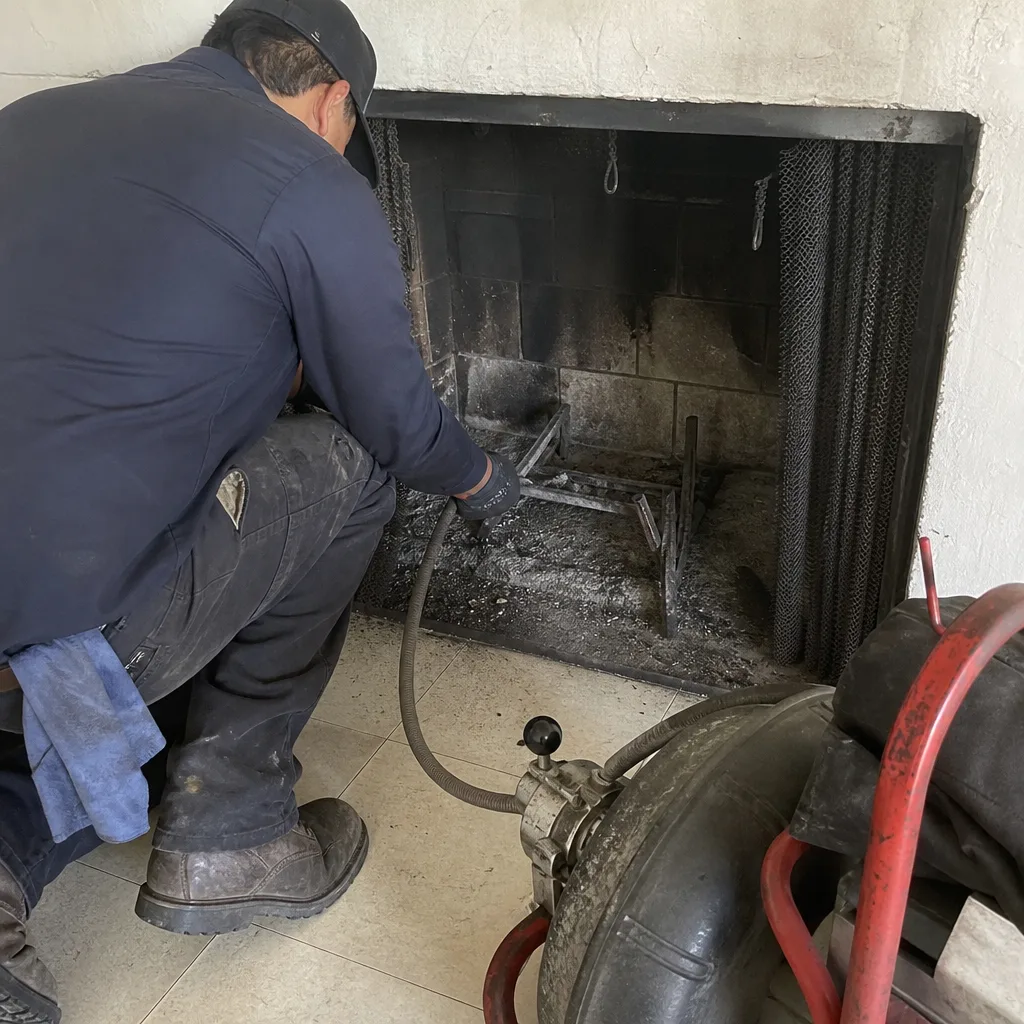 Before
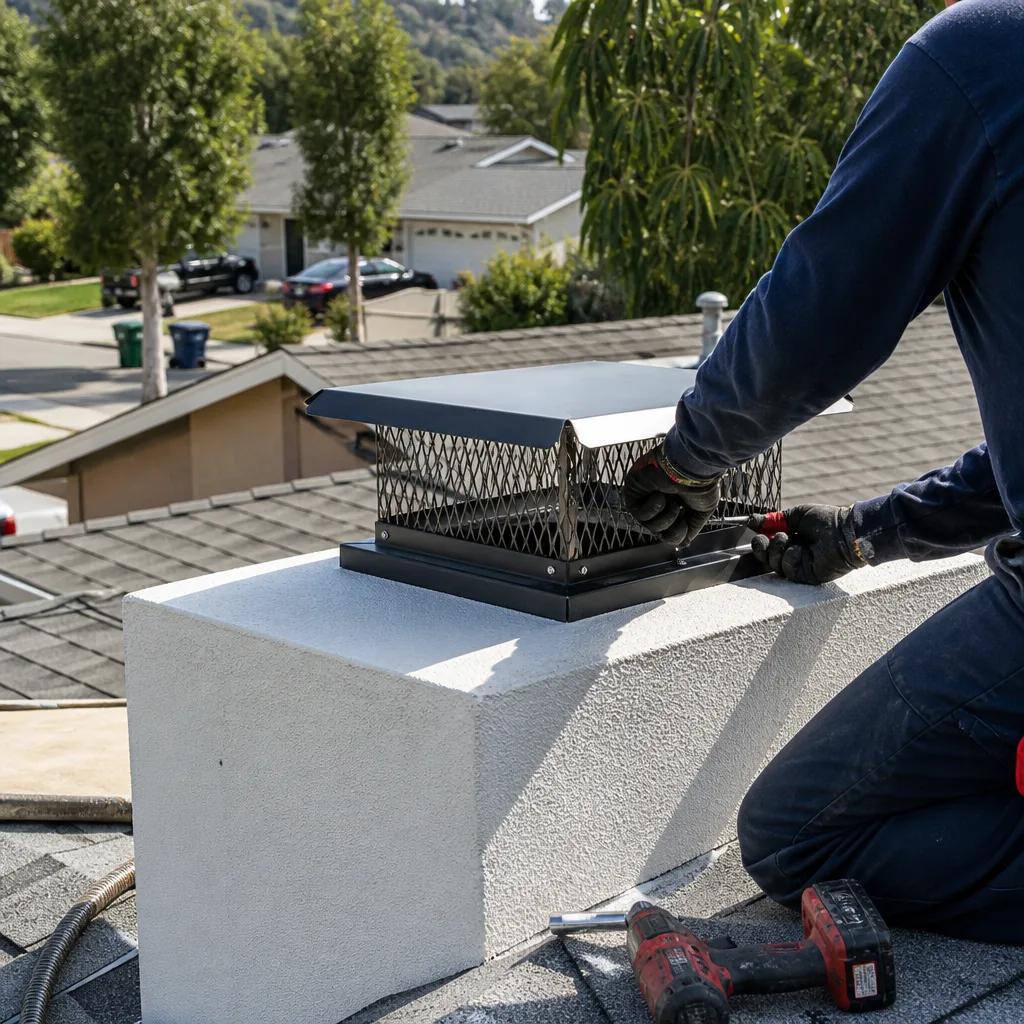 After
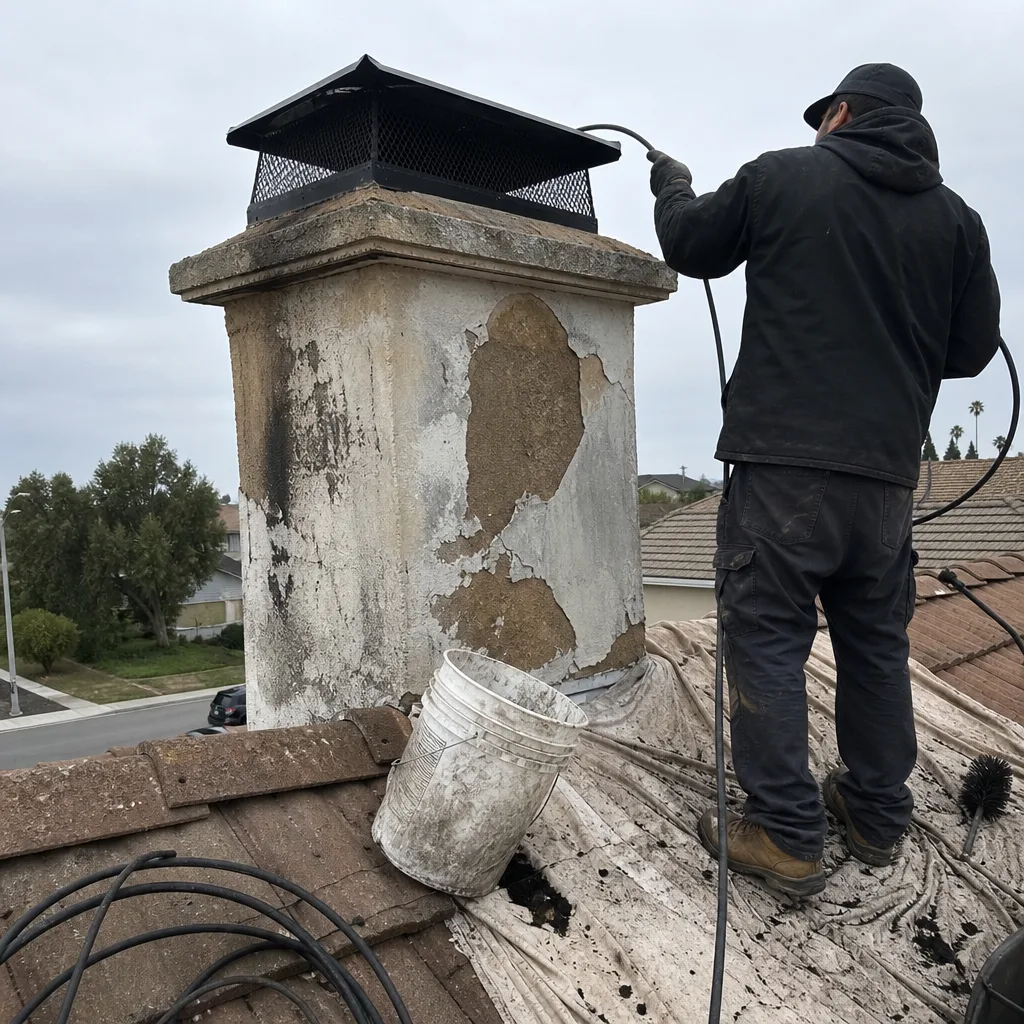 Before
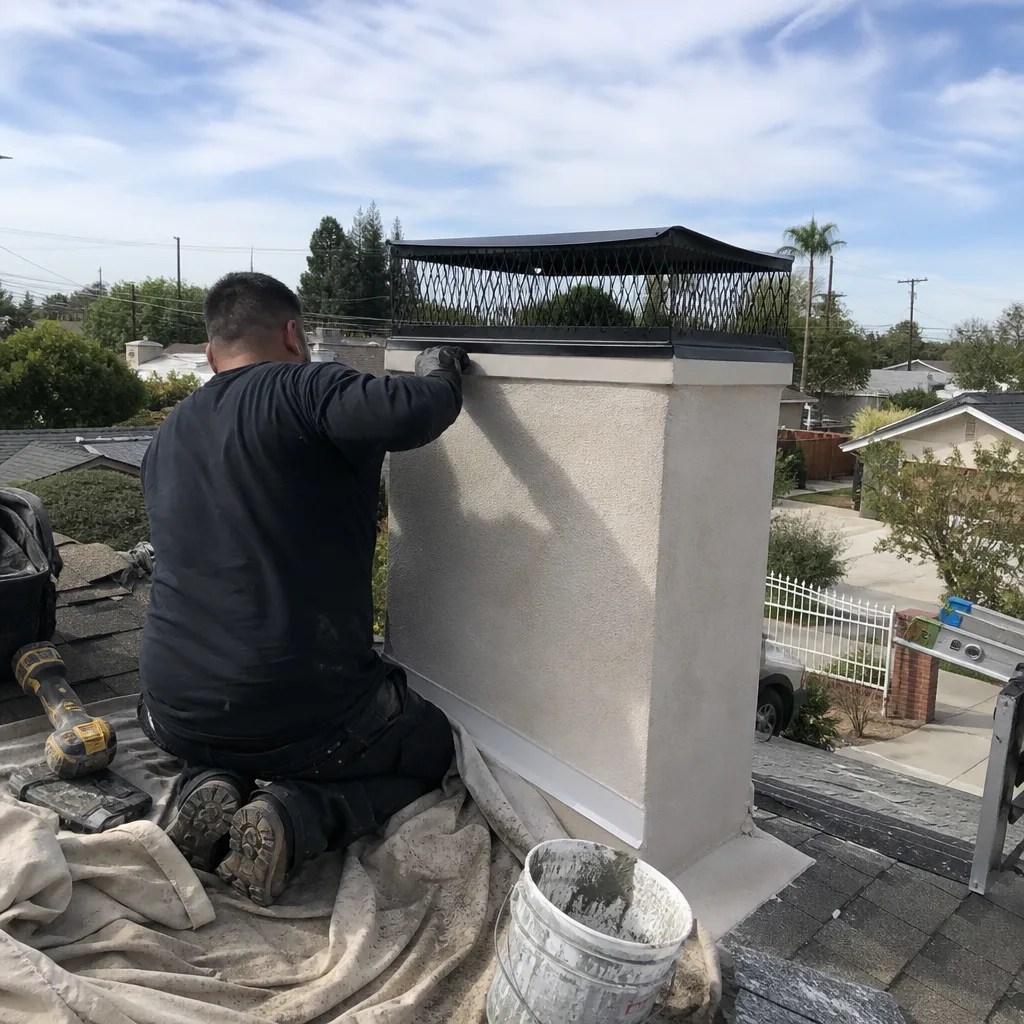 After
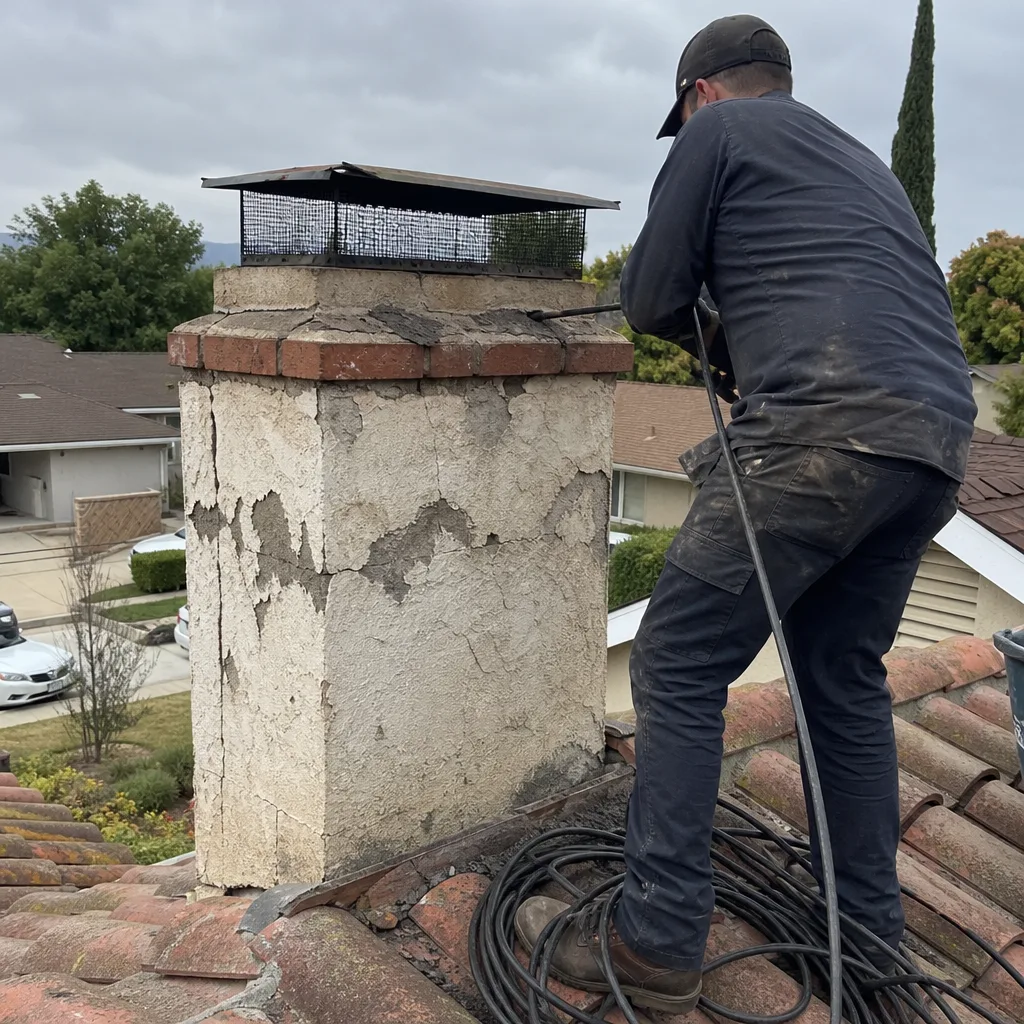 Before
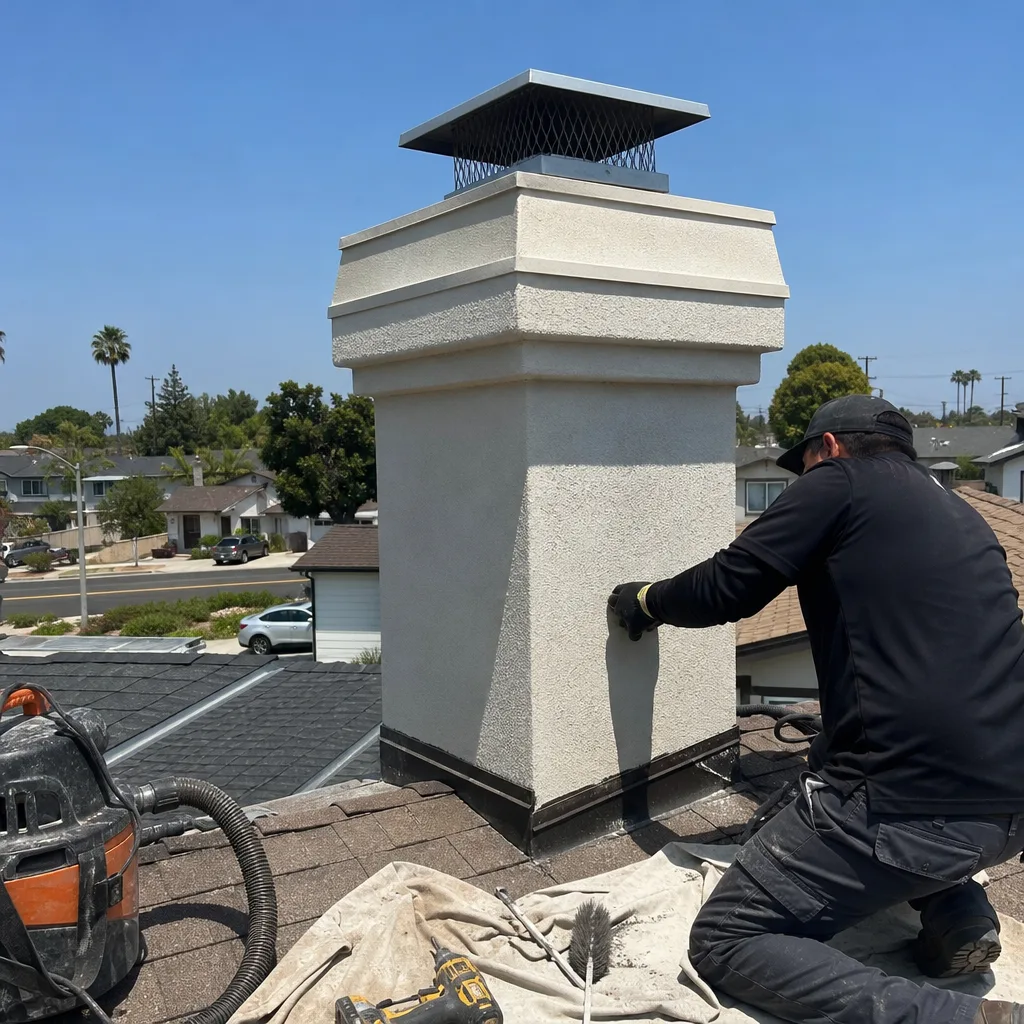 After