
Last updated November 3, 2026
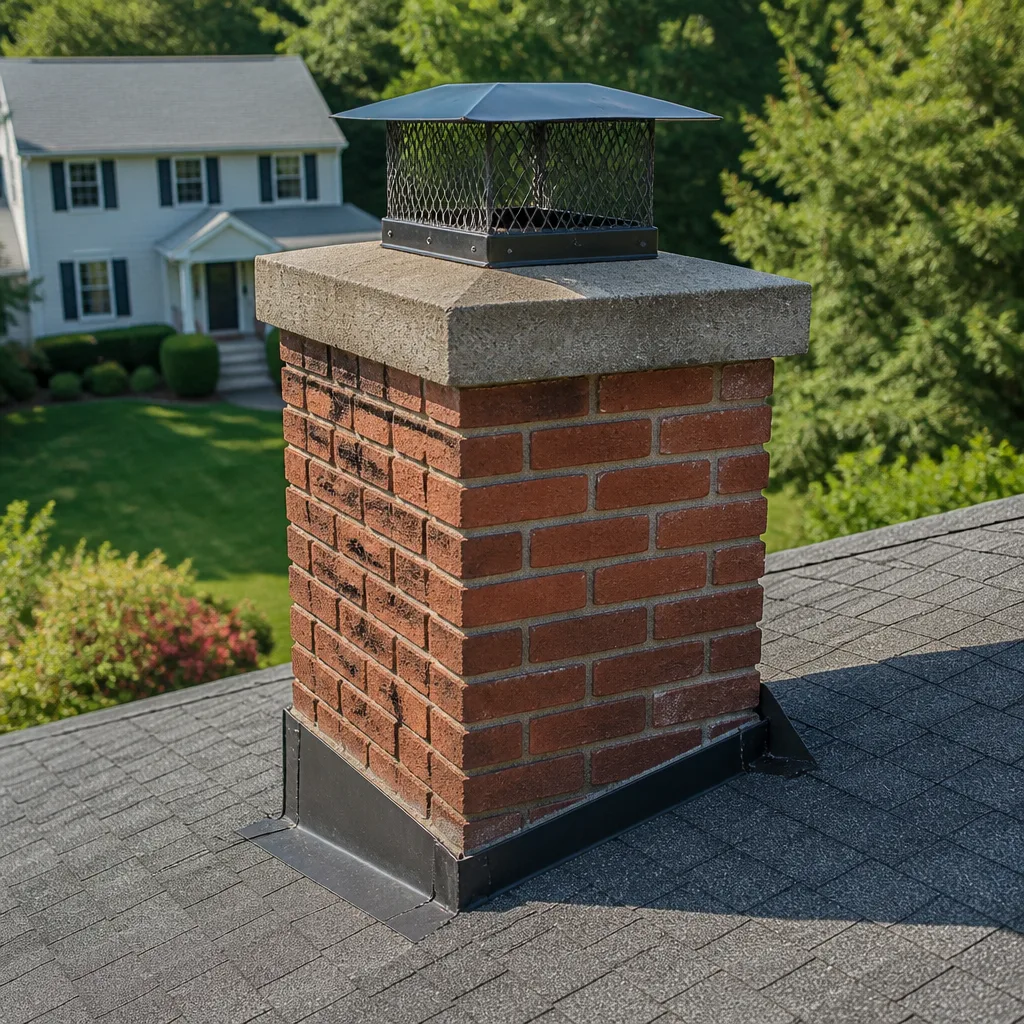 Sweep & inspection
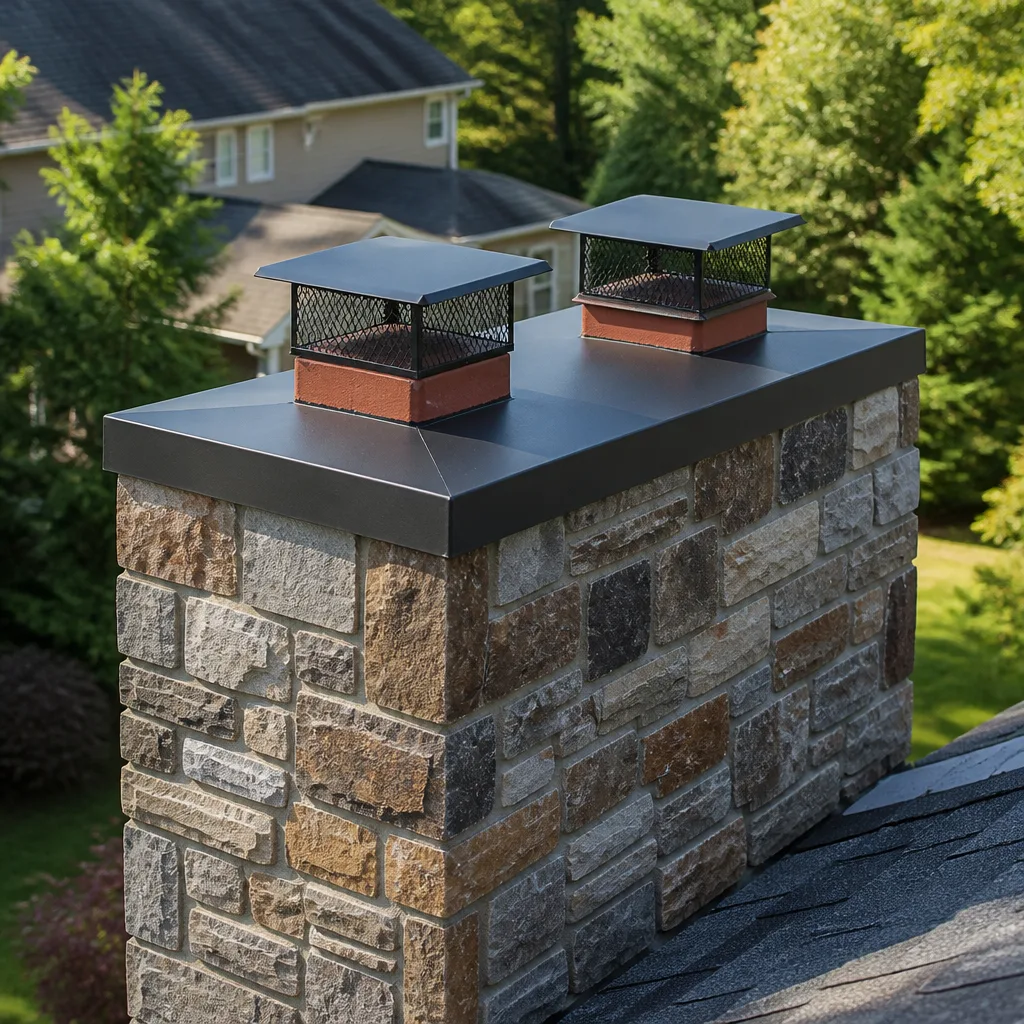 Caps & crowns
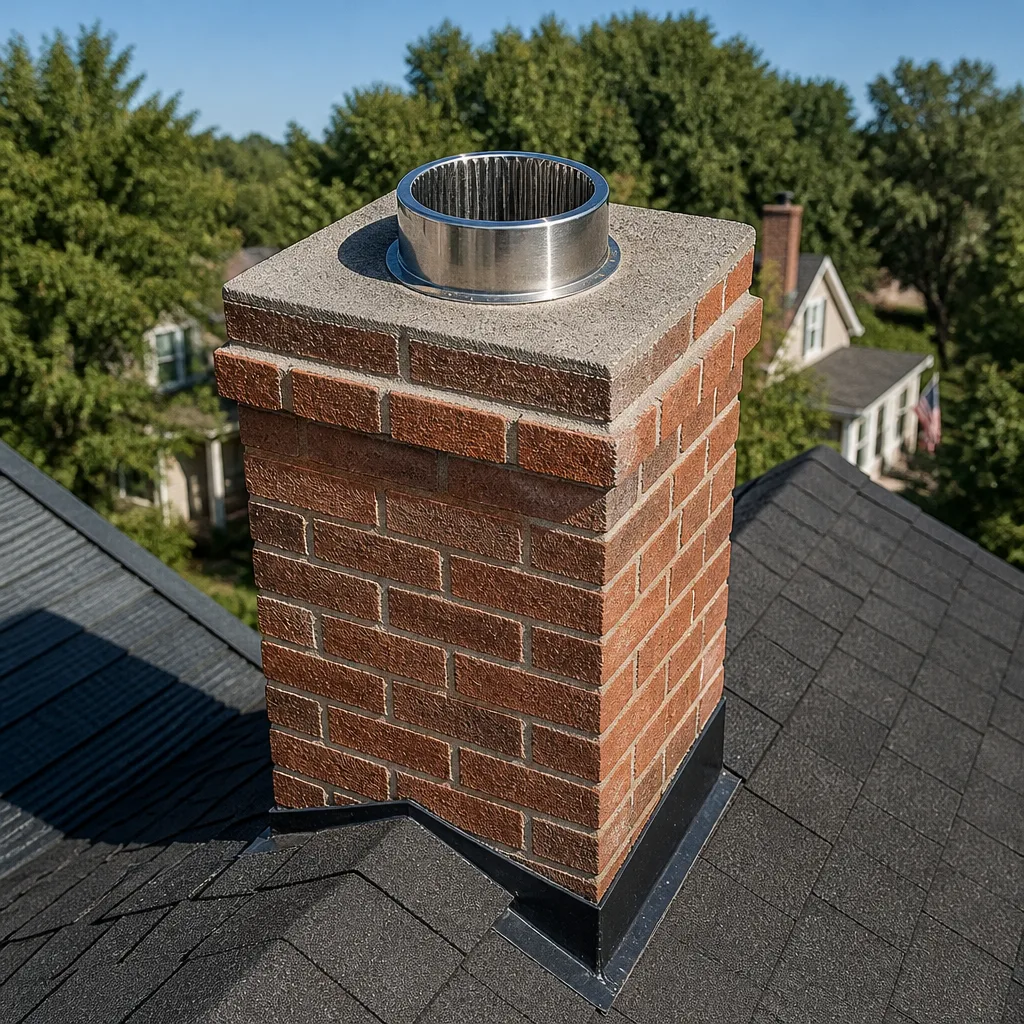 Flue relining
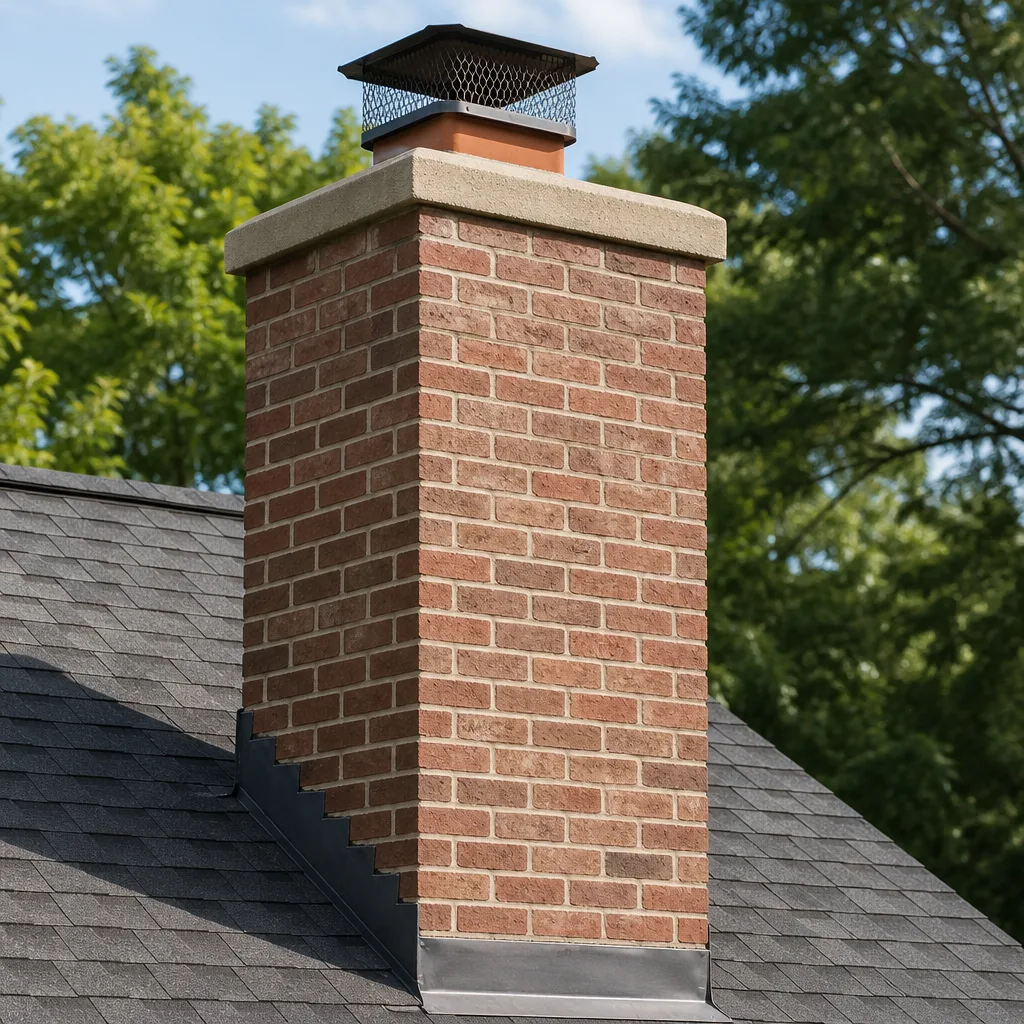 Masonry repair
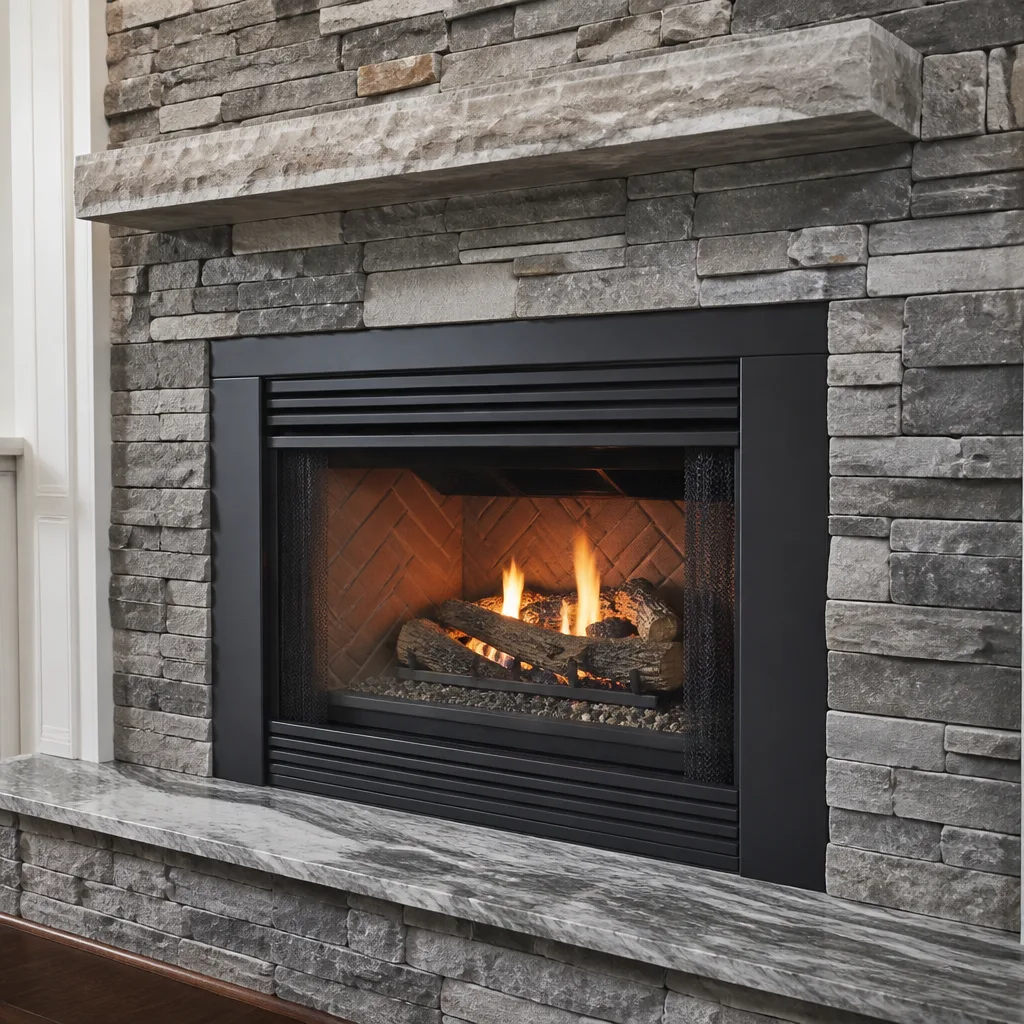 Gas fireplace service
Level 1 sweep and inspection to the NFPA 211 annual standard - flue, crown, cap, and flashing checked and photographed
Chimney sweep logs do not sweep chimneys. They loosen some creosote - which then falls where a brush and vacuum still have to collect it.
The Complete Chimney Sweep Guide for La Habra Homeowners
Most chimney fires don’t start because a homeowner skipped the sweep. They start because the sweep that showed up only brushed the flue and never checked the liner. In La Habra, where much of the housing stock dates to the 1950s through 1980s, that distinction matters more than homeowners realize. Older masonry chimneys with terra cotta liners crack, spall, and deteriorate silently. A brush-only service removes soot but leaves the structural problem in place. This guide walks through what a complete Chimney Sweep services visit in La Habra actually involves: the inspection sequence, the material assessment, the cleaning method, and the red flags that separate a maintenance visit from a repair conversation.
Styles & brands we work with
- Sweep & inspection
- Caps & crowns
- Flue relining
- Masonry repair
- Gas fireplace service
Quick Answer
A chimney sweep in La Habra CA is a three-part process, as detailed in The Complete Guide to Chimney Cleaning in La Habra: a visual inspection to determine flue liner condition, a cleaning stage matched to your liner material and fuel type, and a post-clean assessment that identifies whether the system can safely operate another season. A complete sweep takes 60 to 90 minutes for a standard open fireplace, and in La Habra’s housing stock, roughly one in four sweeps reveals a liner issue that needs follow-up work. The cleaning itself is not the hard part. Knowing what to look at before, during, and after is what protects your home.
Table of Contents
- Why La Habra Chimneys Are Different
- The Three Levels of Chimney Inspection Explained
- How Liner Material Changes the Sweep
- The Step-by-Step Sweep Sequence You Should Expect
- Red Flags That Mean More Than Cleaning
- The Single-Visit Diagnosis and Restore Approach
- What a Sweep Costs in La Habra
- Common Mistakes to Avoid
- When to Call a Professional
- Frequently Asked Questions
- The Bottom Line
Why La Habra Chimneys Are Different
La Habra sits in a climate zone that creates a specific chimney problem. Southern California’s mild winters mean homeowners burn fires maybe 20 to 30 times per season, not the 100-plus burns common in colder regions. That sounds like less wear and tear, but it actually produces a different failure mode. Infrequent fires burn cooler and produce more condensation. The smoke contains water vapor, sulfur compounds, and creosote particles. When that mixture condenses on a terra cotta flue liner, it forms an acidic residue that sits there for weeks or months between burns. Over several years, that acid eats into the clay surface, causing flaking and spalling.
In our experience working on La Habra chimneys, we regularly see terra cotta liners in 40-to-60-year-old homes that look worse than chimneys of the same age in cold-climate states where fires burn hot and often. The heavy-use chimney accumulates creosote, but the liner itself holds up better because heat drives off moisture. The lightly used Southern California chimney accumulates less creosote but suffers more liner degradation. Homeowners glance up the flue, see minimal soot, and assume the system is fine. The damage is there; it is just not what they were looking for.
This is why we approach a sweep in La Habra as a diagnostic visit, not a housekeeping task. The brush work matters, but the inspection determines whether your chimney is safe to use at all.
The Three Levels of Chimney Inspection Explained
Every chimney sweep should be performed alongside a formal inspection. The National Fire Protection Association defines three levels, and knowing which one applies to your situation tells you what to expect and what to ask for.
- Level 1 inspection: A visual examination of the readily accessible portions of the chimney interior and exterior. The sweep checks the firebox, damper, visible flue surfaces, and exterior masonry. This is the baseline inspection included with a routine sweep when the system has not changed since the last service.
- Level 2 inspection: Everything in Level 1 plus examination of accessible areas in attics, crawl spaces, and basements. A Level 2 typically includes a camera scan of the flue interior. This is required when the home is being sold, when the chimney has suffered a chimney fire, or when the system has gone unserviced for five or more years.
- Level 3 inspection: Reserved for cases where a Level 1 or Level 2 has identified a suspected hazard that requires accessing concealed areas. This can involve opening a wall or removing portions of the chimney structure. Level 3 inspections are rare and only happen when specific damage is already suspected.
Here is what matters for La Habra homeowners specifically. If you bought your house in the last five years and the seller provided a chimney inspection, it was almost certainly a Level 2. That’s the standard for real estate transactions. If you have owned your home for a decade and have never had the chimney looked at, you should expect the sweep to recommend at least a Level 2 equivalent, including a camera scan. A flue that has gone ten or fifteen years without a documented inspection in La Habra’s acidic-condensate environment deserves more than a glance. For a deeper look at what a dedicated chimney repair scope involves, see our Chimney Repair in South San Jose Hills page, which covers the repair side of what inspections often uncover. We also serve the neighboring area with full-service Chimney Sweep in South San Jose Hills coverage.
How Liner Material Changes the Sweep
The single biggest variable in a chimney sweep is the flue liner. Different liner materials require different brushes, different techniques, and different levels of care. A one-size-fits-all sweep approach is how liners get damaged and how problems get missed.
Terra Cotta Tile Liners
These are the original liners in most La Habra homes built before 1990. Clay tiles are glazed on the inside surface and stacked in sections with mortar joints between them. Over time, the glazing wears, the mortar erodes, and the tile itself can crack. A qualified sweep examining a terra cotta liner uses a poly or plastic brush system, not a metal brush that can scar the glaze further. The sweep is also looking for spalled tile fragments in the smoke chamber or firebox, which indicate the liner is actively deteriorating.
Stainless Steel Liners
Stainless liners, including DuraFlex flexible liner systems, are installed when the original clay liner fails or when a homeowner converts to a gas appliance that requires a properly sized flue. Stainless stands up to the acidic condensate that destroys clay, which is a significant advantage in La Habra’s climate. A stainless liner gets swept with a brush matched to its diameter, typically a softer poly brush to protect the internal surface. The sweep checks the top termination, the connector joints, and the area around the tee or elbow for any signs of movement.
HeatShield-Restored Liners
HeatShield is a ceramic flue restoration product applied in place to repair deteriorating terra cotta without full replacement. It can address cracked joints, spalled surfaces, and gaps that would otherwise require relining. A HeatShield-restored flue can be swept, but the technique matters. The sweep uses a brush that will not abrade the ceramic surface and pays particular attention to the restored areas during the post-clean inspection. HeatShield restoration is a capability most local sweeps simply do not offer. If your flue has been HeatShield-restored, make sure the sweep knows it before they start. We are HeatShield-equipped and can restore flues without tearing them out entirely, which is often the difference between a one-day repair and a full relining project.
Unlined or Vermiculite-Lined Flues
Some older La Habra chimneys, particularly on homes built in the 1940s and 1950s, may have insufficient or absent liners. These systems should not be used with solid fuel until relined. A sweep encountering an unlined flue should stop the cleaning and flag the system as unsafe to operate. This is not optional. Burning in an unlined chimney transfers heat directly to combustible framing. A DuraFlex relining system is the standard fix, and carrying those materials on hand means we can address it without a weeks-long delay.
The Step-by-Step Sweep Sequence You Should Expect
A complete chimney sweep follows a defined sequence. Homeowners in La Habra should know what to expect so they can recognize whether the service they received was thorough or abbreviated.
- Site protection setup. The sweep lays drop cloths around the fireplace opening and positions a high-volume vacuum with a HEPA filter near the firebox. The goal is to keep the home clean during the process. If a crew arrives without floor protection, that is an immediate signal about the level of care you are getting.
- Initial firebox and damper inspection. The sweep examines the firebox refractory panels, the damper operation, and the smoke chamber. They are looking for cracks, rust on the damper assembly, and debris accumulation. The damper gets opened fully and its action noted.
- Camera inspection of the flue. For any system that has not been inspected in over five years, or any system showing signs of damage, a camera scan of the flue interior provides documentation of the liner condition before cleaning. This establishes a baseline and identifies areas that need careful brushing or repair consideration.
- Brush selection and cleaning. The brush type is matched to the liner material: poly brush for clay tile and stainless, wire brush only for heavily glazed industrial scenarios that rarely apply to residential La Habra chimneys. The sweep works from the firebox upward or from the top down, depending on access and the specific system configuration.
- Smoke chamber and smoke shelf cleaning. This is the step many quick sweeps skip. The smoke chamber is the area above the damper where the flue widens before entering the liner. Creosote accumulates here because the geometry creates turbulence and cooling. Cleaning the smoke chamber requires specific tools, and skipping it leaves a reservoir of combustible material inches from your fire.
- Post-clean visual verification. The sweep runs the camera again or uses a mirror and light to verify the flue surface is clean and no debris remains. This is when liner cracks, spalling, or joint separation become most visible, because the soot that hid them has been removed.
- Exterior inspection. The sweep walks the roof or uses a ladder to examine the crown, the flue cap, the flashing, and the exterior masonry. Efflorescence, which is the white staining that appears on masonry when water moves through it, gets noted. A cracked crown or missing cap is a water entry point that accelerates liner deterioration.
- Written report and recommendations. The visit ends with a clear explanation of findings. You should know exactly what was cleaned, what condition the liner is in, what repairs are recommended, and what can safely wait. Nothing should be recommended without evidence you can see, which is why we provide camera documentation with our sweeps.
Red Flags That Mean More Than Cleaning
During a sweep, several specific findings indicate the chimney needs repair work beyond routine maintenance. Homeowners in La Habra should know these signals so they can have an informed conversation with their service provider.
- Spalling tile visible in the firebox or smoke chamber. Terra cotta liner fragments that have fallen into the reachable areas of the chimney mean the liner is actively failing somewhere above. This is not a brush-it-and-see situation. The liner has lost structural integrity and needs evaluation for HeatShield restoration or relining.
- White efflorescence on the exterior masonry chase. That white, chalky staining on brick or block means water is moving through the masonry. Water plus the freeze-thaw cycles La Habra occasionally sees, plus acidic condensation, is how liners and masonry deteriorate. A sweep that notes efflorescence but does not discuss water management is missing the point.
- Draft reversal at the damper. If smoke moves into the room when the damper is open and a fire is lit, something is wrong with the draft. Causes include a blocked flue, inadequate chimney height relative to the roofline, negative pressure from a tight house, or a liner obstruction. A proper sweep investigates this on the spot.
- Creosote in the smoke chamber that is more than 1/4 inch thick. Thick creosote is a fuel load. If it has accumulated to that degree, the system has been burning inefficiently and the chimney fire risk is elevated. The cleaning should address it, but the sweep should also discuss why it formed and whether the burning habits or the appliance need adjustment.
- Rust on the damper assembly or firebox. Rust means water has been entering the system. Whether through a failed crown, a missing cap, or a flashing issue, the water entry point needs to be identified. Water damage compounds every season it goes unaddressed.
- A missing or damaged spark arrestor cap. La Habra neighbors in areas like the La Habra Heights interface understand spark risk. A properly fitted cap with a spark arrestor is not optional in Southern California. A missing cap also lets rain directly into the flue, accelerating liner degradation.
The Single-Visit Diagnosis and Restore Approach
The typical chimney service model in Southern California operates on two visits: the cleaning happens on the first visit, then the repair is scheduled weeks later after parts arrive. For homeowners with deteriorating liners, that second visit can take six to eight weeks to schedule, which means losing most or all of the burning season. In La Habra, where the window for comfortable fireplace use is shorter than homeowners expect, that delay is a real inconvenience.
Our approach is built differently. We carry professional-grade parts and materials on the truck, which means a diagnosis made during the sweep can often be addressed in the same visit. If the camera scan shows spalled liner tiles that can be restored, we have HeatShield materials available. If the flue needs a cap or a venting component replaced, we stock Copperfield and Olympia Chimney components. If the liner requires full replacement, we work with DuraFlex stainless systems that can be quoted and scheduled without a parts delay. The inventory we carry is the reason we can offer what most local sweeps cannot: sweep, inspect, and repair handled by one crew, in one visit.
This matters for La Habra homeowners because the repair conversation changes when the evidence is visible on the camera screen during the sweep. You are not being told about a problem you cannot see. You are being shown the footage, then offered the materials to fix it, on site, with quoted numbers. There is no pressure and no need to accept anything on faith. You see the evidence, you understand the cost, and you decide.
What a Sweep Costs in La Habra
Chimney sweep pricing varies with the system type, the level of inspection required, and the condition of the flue. In La Habra, homeowners should expect the following approximate ranges for a standard open wood-burning fireplace with a single flue.
- Standard chimney sweep with Level 1 inspection: $180 to $260. This covers full brushing of the flue, smoke chamber cleaning, firebox cleanup, and a visual inspection of accessible areas.
- Chimney sweep with Level 2 inspection including camera scan: $300 to $450. This is the appropriate scope for a first-time service on a home that has gone five or more years without a documented chimney inspection. The camera documentation is worth the additional cost because it establishes a baseline.
- Chimney sweep plus minor repair during the same visit: $350 to $700 depending on the repair. Component replacements like a damper assembly or a top-mounted cap typically land in the lower half of that range. Flue restoration work like HeatShield application varies with the extent of damage.
- Full DuraFlex relining: Quoted per job based on flue length and diameter. This is a major repair that only applies when the original liner has failed beyond restoration. It is discussed only with camera evidence, and it is not something any honest sweep recommends without showing you why.
Los Angeles and Orange County pricing is higher than the national average due to labor costs and business overhead. A $99 chimney sweep in La Habra should raise questions about what is being skipped: the camera inspection, the smoke chamber cleaning, or the exterior examination. The cheapest bid in this market usually means the shortest service sequence. Call (866) 747-8330 for a free estimate that includes the full scope described in this guide, with no hidden add-ons.
Common Mistakes to Avoid
- Skipping the sweep because you rarely use the fireplace. Infrequent burning in La Habra’s climate produces the acidic condensate that damages terra cotta liners. Low usage does not mean low risk. It means a different risk profile that still requires inspection.
- Hiring a sweep based on price alone without asking about the inspection level. A Level 1 visual inspection is not the same as a camera-verified Level 2. If the quote is $99 and does not mention camera work, smoke chamber cleaning, or exterior inspection, you are buying a brush pass.
- Assuming a home inspection from the purchase covers the chimney long-term. A real transaction Level 2 inspection documents the system at that moment. A decade of use without re-inspection means the documentation is stale and the system condition is unknown.
- Burning unseasoned wood or construction scrap. Green wood produces thick creosote rapidly. Construction scrap, especially painted or treated wood, releases chemicals that corrode liners and produce toxic smoke. Burn only seasoned hardwood.
- Ignoring water stains on the ceiling near the chimney chase. Water entry around the chimney affects more than the flue. It damages framing, drywall, and insulation. A chimney sweep that includes exterior inspection will catch flashing or crown failures before the water damage spreads to the living space.
- Deferring a recommended liner repair because the chimney still draws. A failing liner can draft fine until the day the flue collapses or heat transfers through a crack to the framing. Draft performance is not a safety indicator. The structural condition is. Trust the camera, not the feel of the fire.
When to Call a Professional
Any of these conditions warrants a call to a qualified chimney sweep in La Habra: you have lived in the home more than five years without a chimney inspection, you see soot or creosote flakes falling into the firebox, you smell smoke in the house after a fire has been extinguished, you notice white staining on the exterior masonry, or you hear or see pieces of what looks like broken clay tile in the firebox. If you are buying or selling a home in La Habra and no Level 2 chimney inspection has been performed, that is also a clear reason to schedule one. Chimney Sweep La Habra offers free estimates in La Habra. Call (866) 747-8330 to schedule a sweep that includes the full inspection sequence described above, with camera documentation and materials on hand to address common findings without a second appointment.
Frequently Asked Questions
The National Fire Protection Association recommends annual inspection and cleaning as needed, regardless of usage frequency. In La Habra, even a lightly used fireplace should be swept and inspected every year or two because the acidic condensation from infrequent, cooler burns degrades terra cotta liners. A yearly chimney sweep catches liner deterioration before it becomes a structural problem. Call (866) 747-8330 to schedule your annual inspection.
A standard chimney sweep with a Level 1 inspection in La Habra runs $180 to $260. A sweep with a Level 2 inspection and camera scan runs $300 to $450, which is the appropriate first-visit scope for homes that have gone five or more years without chimney service. For an exact quote on your system, call (866) 747-8330. Estimates are free.
A chimney sweep removes soot and creosote from the flue, smoke chamber, and firebox using brushes matched to your liner material. A chimney inspection evaluates the structural and functional condition of the system using visual examination and, at Level 2, camera scanning. A proper chimney sweep in La Habra includes both: the cleaning cannot be performed responsibly without the inspection, and the inspection cannot be performed thoroughly without removing the soot that hides liner damage.
Not every damaged liner requires full replacement. HeatShield restoration can repair cracked joints, spalled surfaces, and gaps in terra cotta liners without tearing them out, which is often a faster and less invasive solution than a full DuraFlex relining. The decision comes down to the extent of the damage, which is why camera documentation matters. Nothing should be recommended without evidence you can see. Ask your sweep to show you the footage before you approve any liner work.
Creosote accumulates in the flue and smoke chamber, creating a fuel load that can ignite into a chimney fire. Water entering through a cracked crown or missing cap combines with creosote deposits to form acidic compounds that attack the liner. In La Habra’s mild climate, the liner degradation from condensation proceeds even without heavy burning. Skipping the sweep for several years means the first time you discover a problem may be during a chimney fire rather than during a routine cleaning.
Yes, and ideally it should be the same specialist. Dryer vents and chimneys are both ventilation systems that carry combustible particulate, and both are among the leading causes of residential fires. Dryer Vent Cleaning in South San Jose Hills is offered by our team as a companion service to chimney sweeping, addressing the second leading cause of home fires through the same appointment. Many La Habra homeowners schedule both services in one visit to cover their home’s ventilation safety comprehensively.
Look for a sweep that performs camera inspections, offers written reports, carries professional-grade materials rather than hardware-store substitutes, and can address common repair findings without a return trip. A qualified chimney sweep in La Habra should be able to explain exactly what they will do, show you evidence of any problems they find, and give you a clear scope and price before repair work begins. We stock parts from Copperfield, Olympia Chimney, and DuraFlex, which means standard repairs happen during the same visit rather than weeks later. You can start with our Chimney Sweep La Habra home page to see the full service scope.
The Bottom Line
A chimney sweep in La Habra is not a one-size-fits-all service. It is a sequence of inspections, cleaning stages, and material assessments that vary with your liner type, your fuel source, and your system’s service history. The cleaning matters, but the diagnosis matters more, because the housing stock in this area ages in ways that create liner problems even when the fireplace sees light use. Understanding the three inspection levels, knowing how your liner material affects the cleaning method, and recognizing the red flags that indicate repair needs gives you the ability to evaluate any service you hire, as covered in our more guides & resources. The goal is not just a clean flue. It is a documented, verified, safe system, delivered by a crew that carries the professional-grade materials to address what they find. That is the standard La Habra homeowners should expect, and it is the standard we work to every visit.
Written by the team at Chimney Sweep La Habra, serving La Habra since 2014.
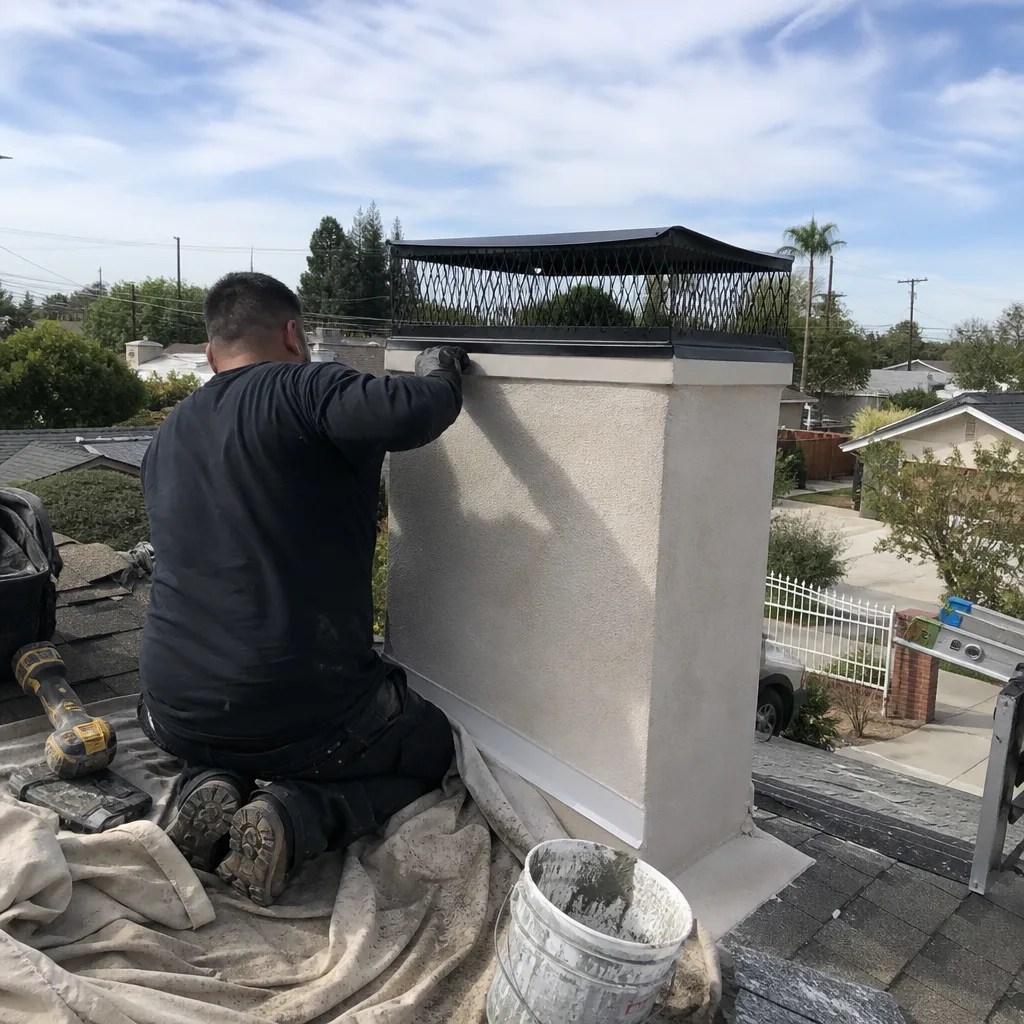
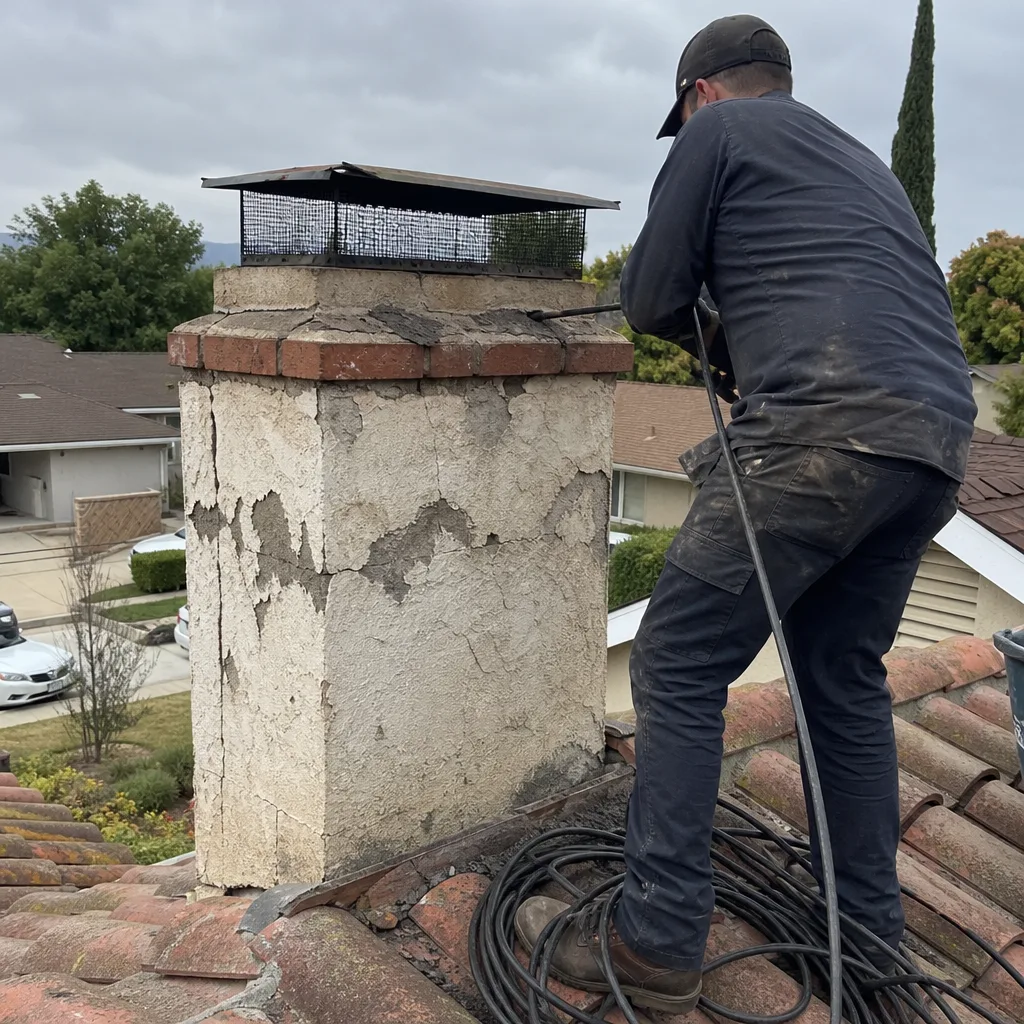
See the difference
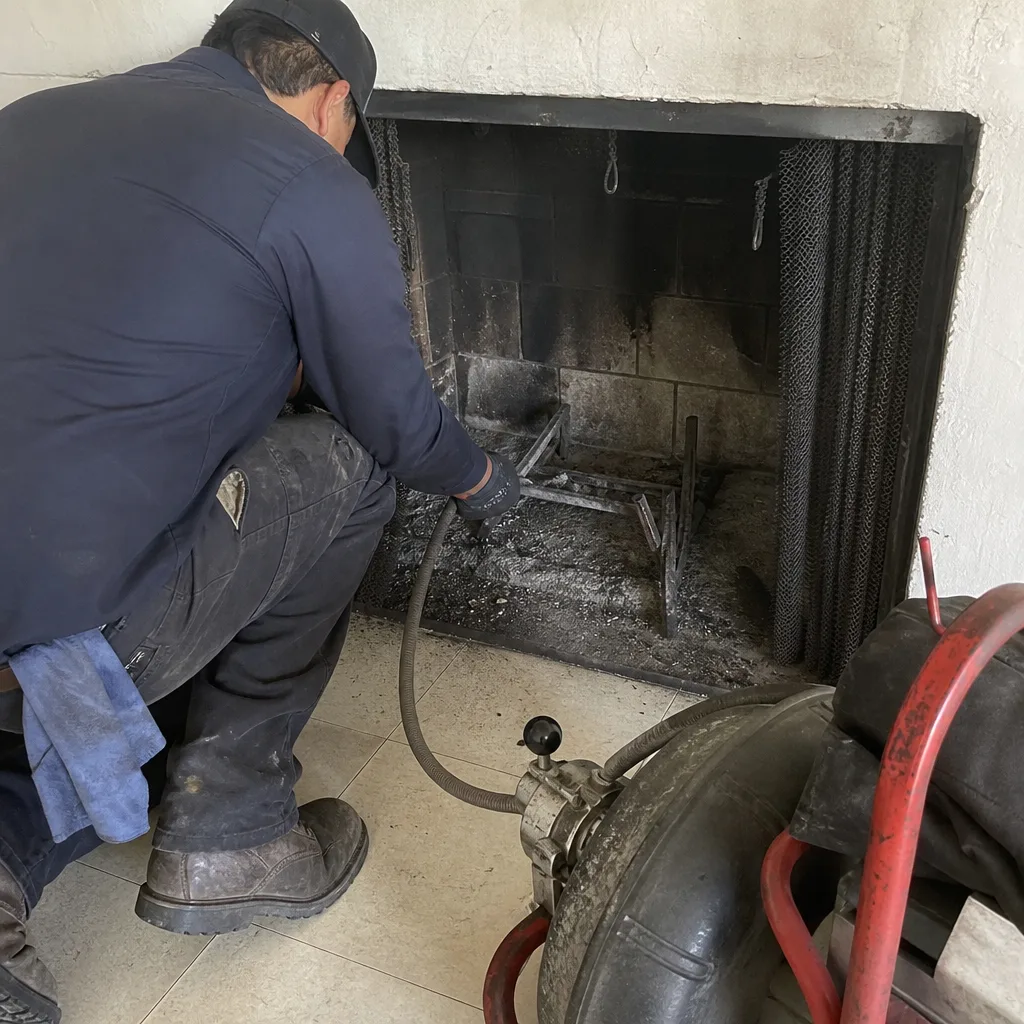 Before
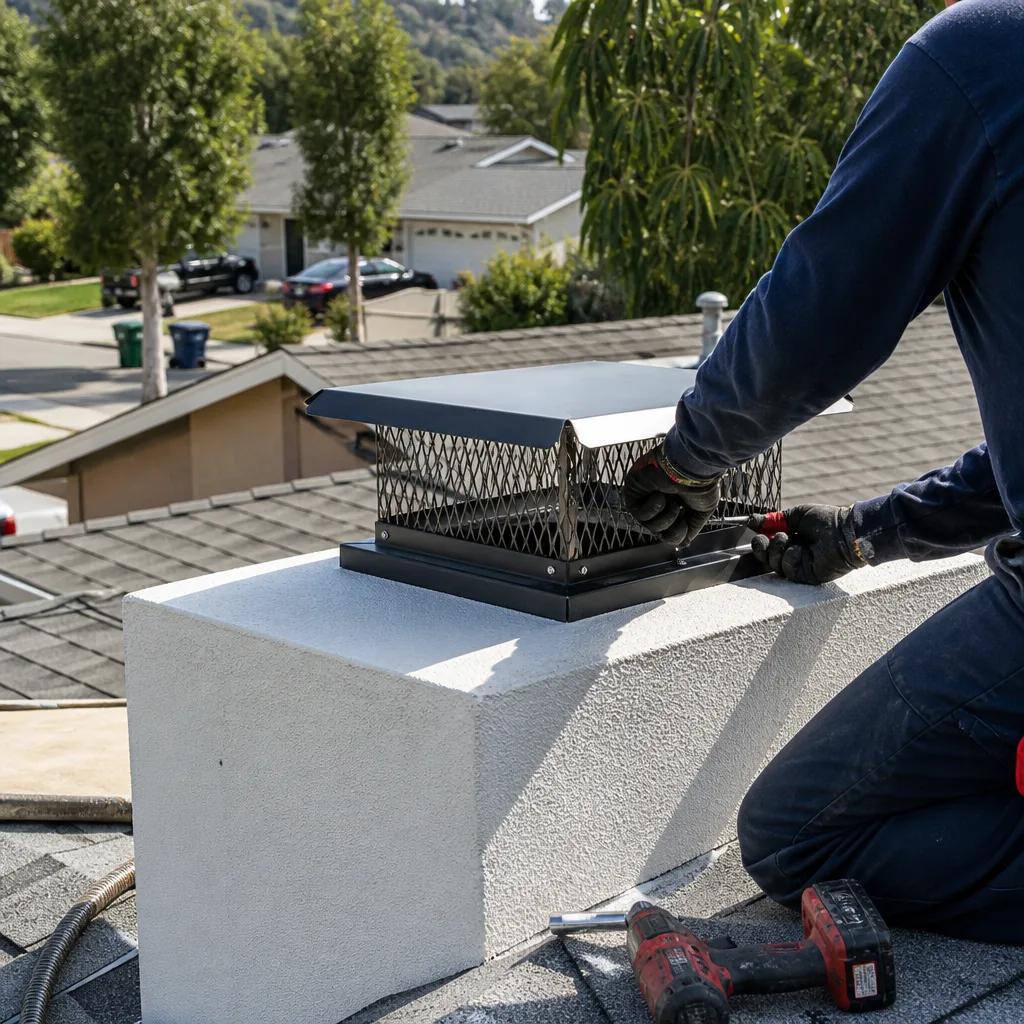 After
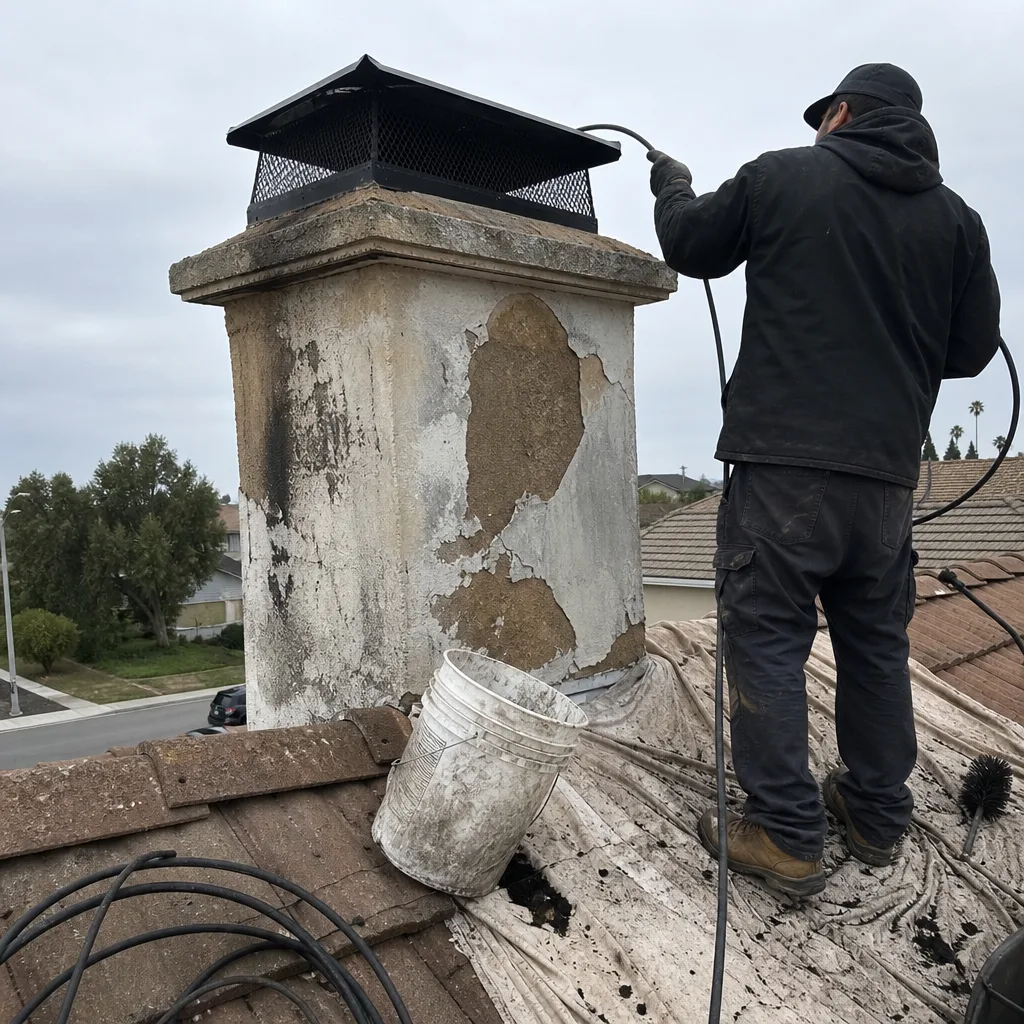 Before
 After
 Before
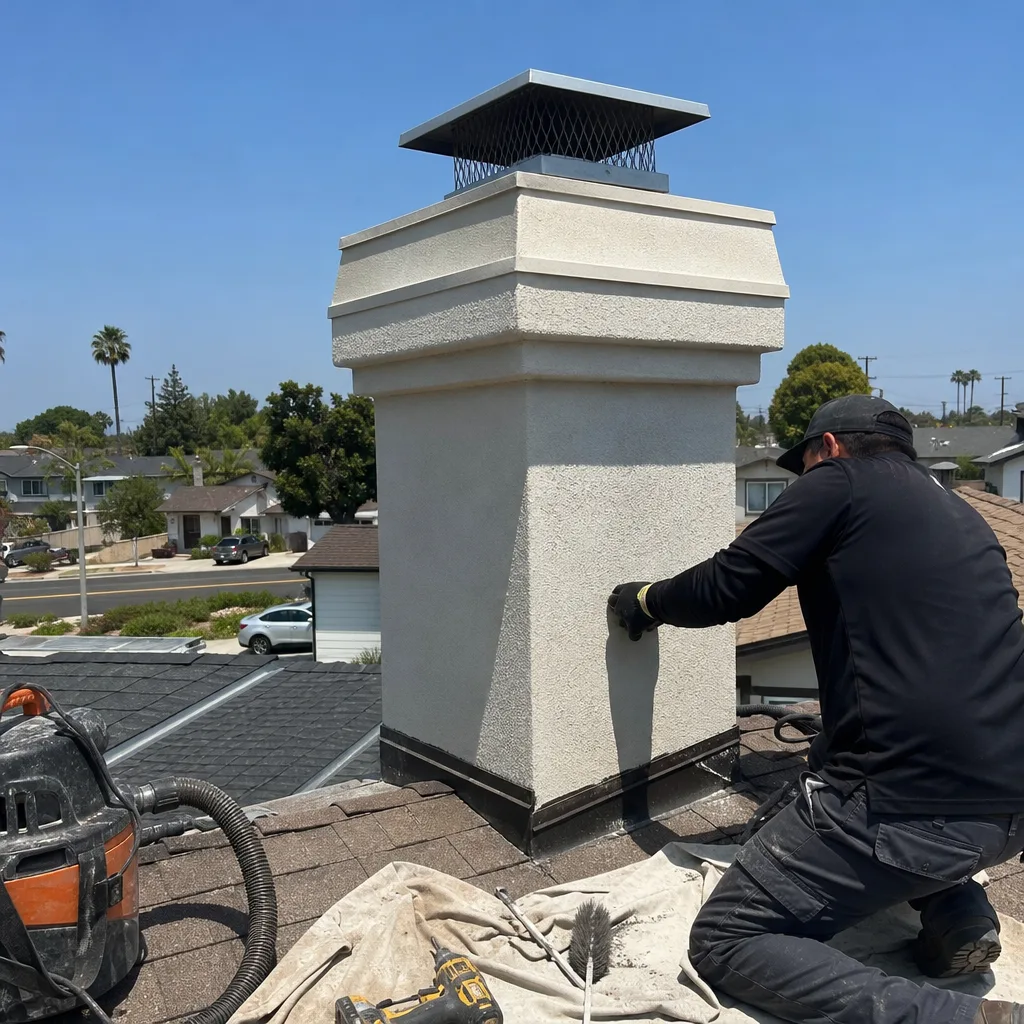 After