
Last updated November 2, 2026
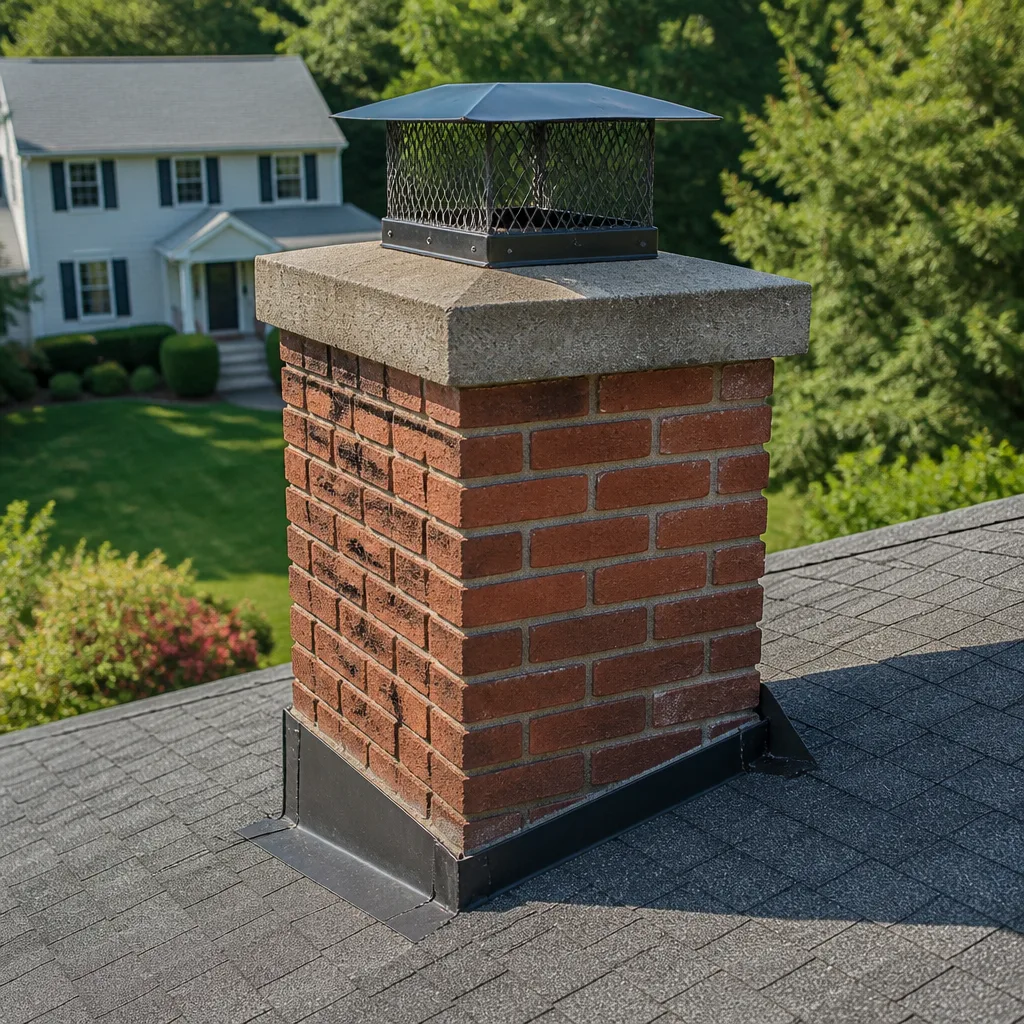 Sweep & inspection
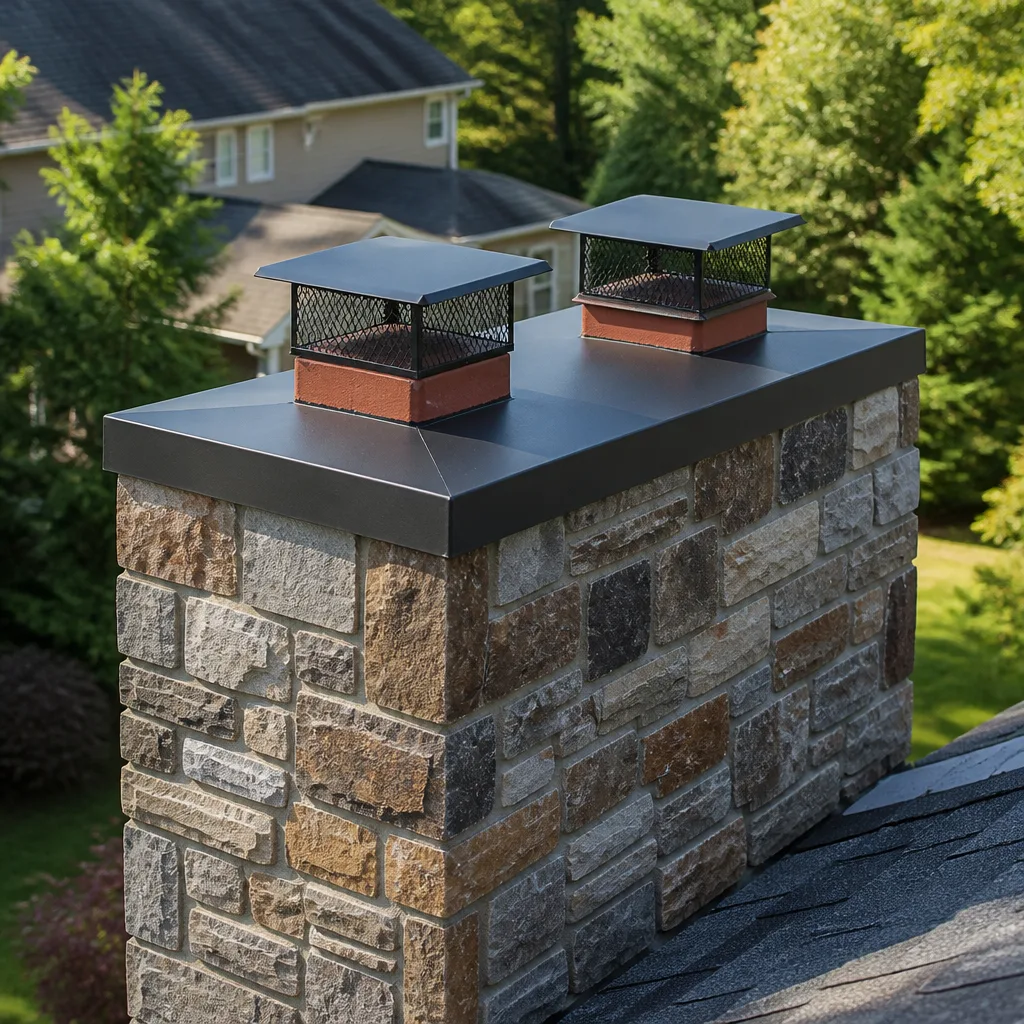 Caps & crowns
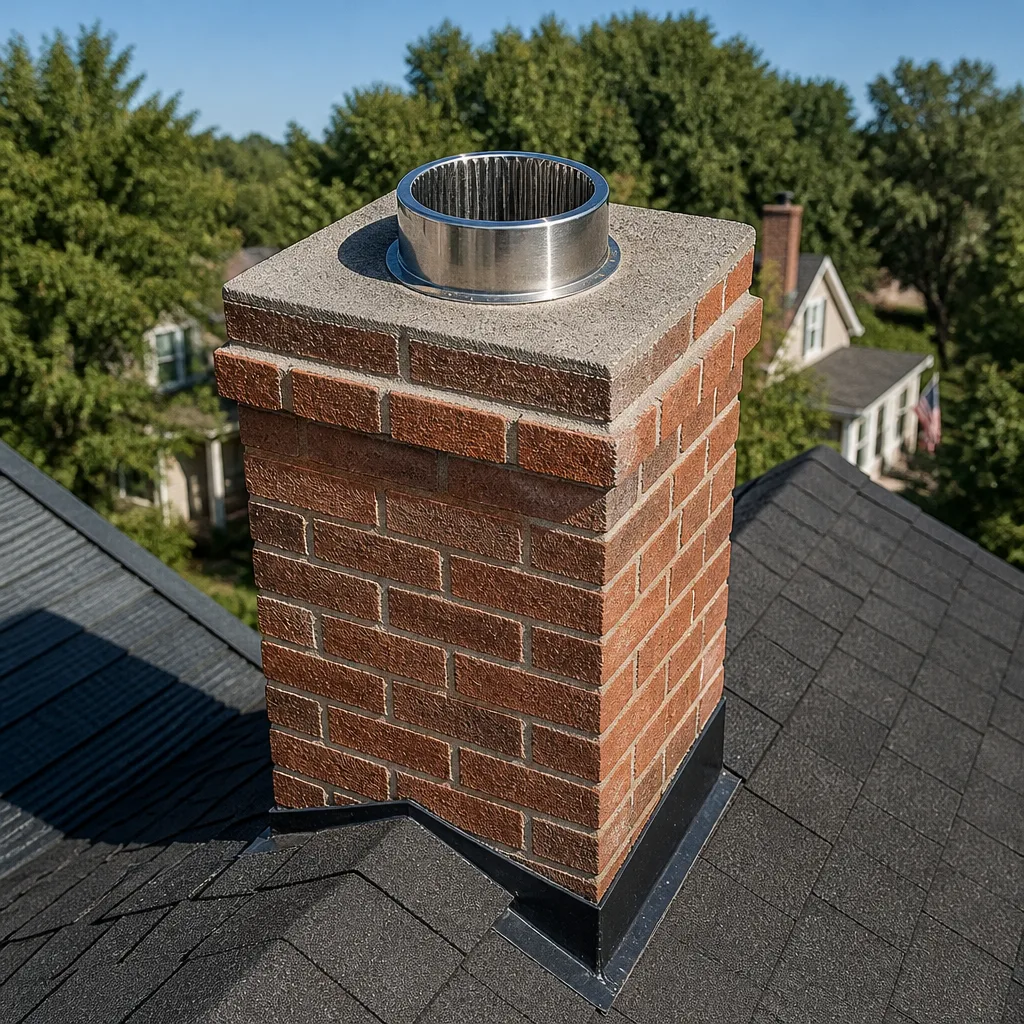 Flue relining
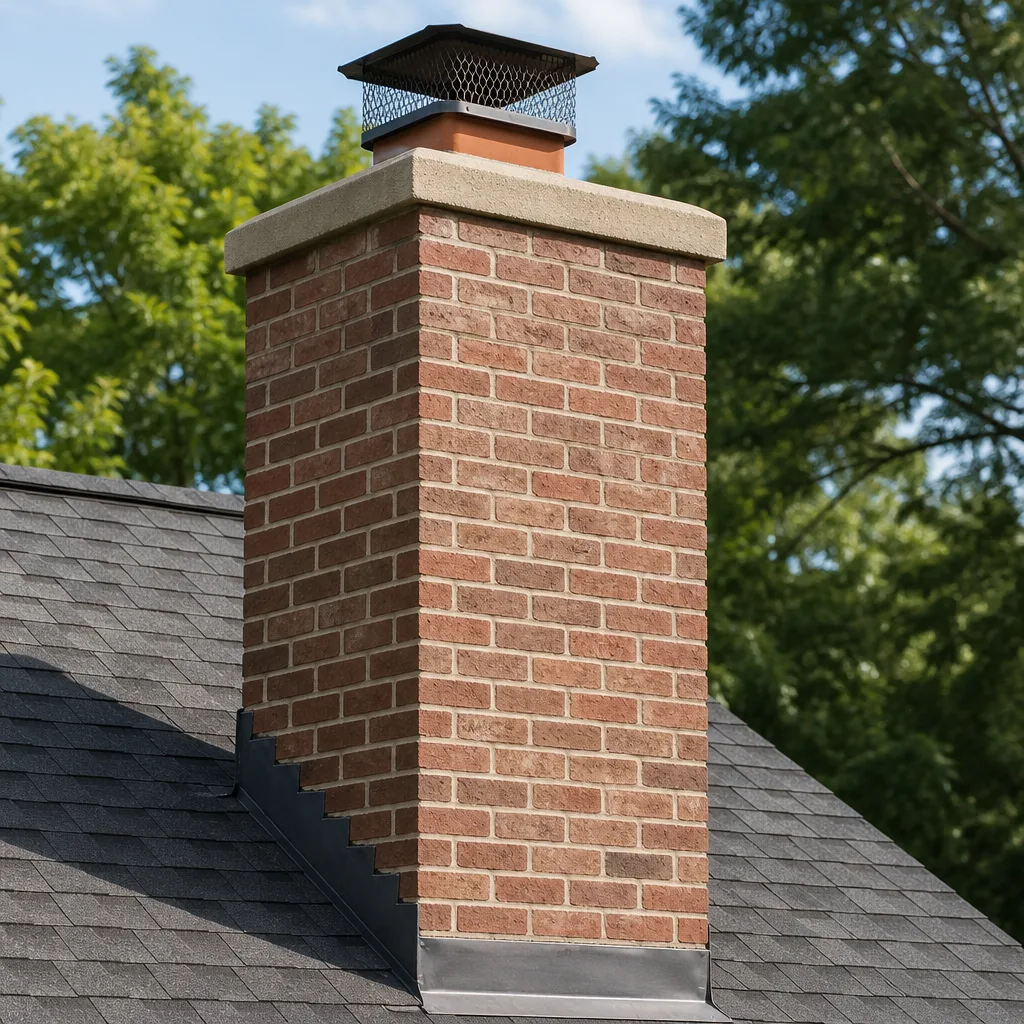 Masonry repair
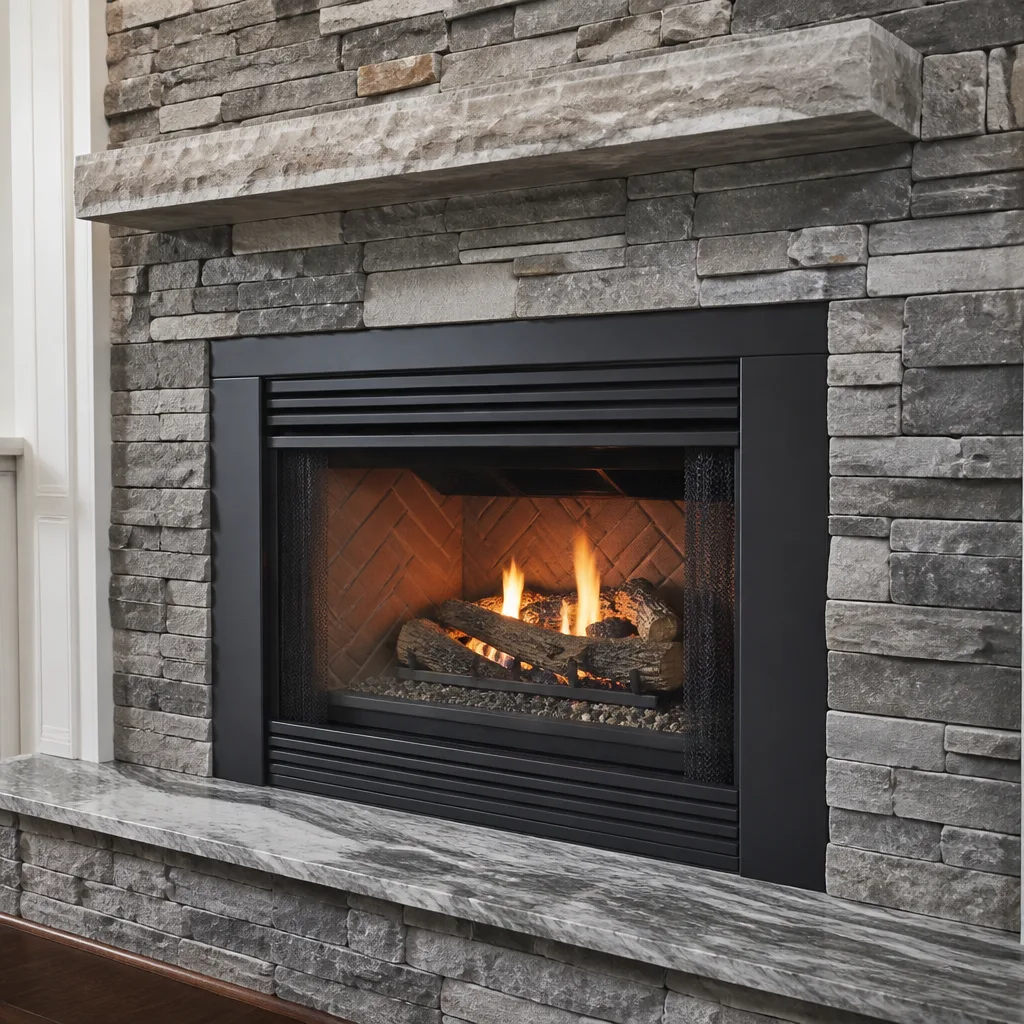 Gas fireplace service
Level 1 sweep and inspection to the NFPA 211 annual standard - flue, crown, cap, and flashing checked and photographed
Chimney sweep logs do not sweep chimneys. They loosen some creosote - which then falls where a brush and vacuum still have to collect it.
Chimney Cleaning Emergency Preparedness Guide for La Habra Homes
A chimney fire doesn’t always sound like a fire. Some burn slowly and silently inside the liner, producing no visible flame but enough heat to ignite adjacent framing before anyone smells smoke. In La Habra, where many homes date to the 1950s and 1960s and still carry original masonry chimneys, this scenario plays out more often than homeowners realize. This guide covers what actually happens during chimney emergencies, how to respond in the first critical minutes, and what restoration looks like afterward, specifically for La Habra households.
Quick Answer
Chimney emergencies in La Habra homes break down into three categories: active chimney fires, carbon monoxide intrusion from a blocked flue, and sudden draft failure. For a chimney fire, close the damper, evacuate everyone, and call 911 immediately, never use water. For CO intrusion or draft failure, ventilate the house, get outside, and have the chimney professionally inspected before using the fireplace again.
Styles & brands we work with
- Sweep & inspection
- Caps & crowns
- Flue relining
- Masonry repair
- Gas fireplace service
Table of Contents
- The Three Chimney Emergencies La Habra Homeowners Face
- Immediate Action Sequence for an Active Chimney Fire
- What Not to Do During a Chimney Fire
- Carbon Monoxide Intrusion: Recognition and Response
- Sudden Draft Failure: Causes and First Steps
- Post-Fire Protocol: Why a Level 2 Inspection Is Mandatory
- Pre-Season Preparedness Checklist for La Habra Homes
- Documenting Damage for Insurance and What Repairs Typically Require
The Three Chimney Emergencies La Habra Homeowners Face
Chimney emergencies are not one thing. They present in three distinct ways, and each demands a different response. Recognizing which one you’re dealing with determines whether you stay in the house, leave immediately, or call 911 before you call us.
The first is the active chimney fire. These range from slow-burning creosote ignitions that smolder for hours to fast, roaring fires that sound like a freight train in the flue. The second is carbon monoxide intrusion, which happens when a blockage prevents combustion gases from exiting the chimney and pushes them back into the living space. The third is sudden draft failure, where the chimney stops drawing air upward and smoke fills the room, usually due to an obstruction, a collapsed liner section, or a pressure imbalance in the house.
In La Habra, the season matters. Chimney fires peak between December and February when fireplaces run daily and creosote builds fastest. CO events cluster during shoulder months when homeowners light fires on cool mornings without checking flue conditions first. Draft failures often follow Santa Ana wind events, when debris and dust load up chimney caps and external wind pressure works against the flue. We’ve seen all three in houses throughout La Habra, from the Wistaria district to the hillside streets north of Whittier Boulevard, and the pattern is consistent: preparation and early recognition cut damage dramatically.
The rest of this guide walks through each emergency, what to do in the moment, and how to rebuild safe operating conditions afterward. If you own a home built before 1990 with an original masonry chimney, this is written for you.
Immediate Action Sequence for an Active Chimney Fire
If you hear a loud roar from the chimney, see flames shooting from the top, or notice thick smoke pouring from the flue, you’re dealing with an active chimney fire. The sequence below is the one firefighters recommend for La Habra homeowners. Follow it in order.
- Close the damper. This cuts the fire’s oxygen supply. Do not reach into a hot firebox, use the damper handle if accessible from the firebox opening. If flames are already rolling out of the fireplace, skip this step and move to evacuation.
- Close glass fireplace doors if you have them. This further starves the fire and contains sparks. Metal mesh curtains alone won’t stop a chimney fire but they reduce airborne ember spread.
- Evacuate everyone from the house. Do not collect belongings. Do not go room to room. Get out and stay out. A chimney fire can spread to framing in minutes.
- Call 911 from outside the house. Tell the dispatcher you have an active chimney fire and whether anyone is still inside. La Habra is served by the Los Angeles County Fire Department, and their response time is typically fast.
- Wait for the fire department to clear the scene. A chimney fire can reignite inside the liner even after it appears to have died down. Firefighters will check attic access points and walls adjacent to the chimney for heat transfer.
This sequence matters because chimney fires burn at temperatures that exceed what masonry can safely absorb. Clay tile liners crack at sustained heat above 1,000 degrees Fahrenheit. Once cracked, the liner no longer contains the next fire, and the gap between the flue and the framing becomes a passage for flames. Closing the damper and evacuating early prevents the fire from getting the oxygen it needs to reach that threshold.
What Not to Do During a Chimney Fire
Panic leads to dangerous decisions. The following actions are common and make a chimney fire worse:
- Never pour water on an active chimney fire. Water flashes to steam inside a hot flue, expands dramatically, and can crack the liner or blow burning creosote back into the room. Firefighters use controlled agents, not direct water, for this reason.
- Never climb onto the roof to inspect or fight the fire. The flue is the hottest part of the structure. The roof surface near the chimney can be structurally compromised from heat transfer. Let the fire department handle it.
- Never open the damper once you’ve closed it. This reintroduces oxygen. If the fire hasn’t fully died, this can cause a flare-up.
- Never use the fireplace again the same day or even the same week. The liner may be cracked, the flue may be blocked with creosote debris, and the structure needs a professional assessment before another fire is lit.
- Never assume the fire is out because the noise stopped. Creosote fires can smolder inside the flue for hours after the visible flames subside. The fire department’s thermal imaging check is the only reliable confirmation.
We’ve spoken with La Habra homeowners who made one or more of these mistakes and the results ranged from cracked fireboxes to full chimney rebuilds. The cost difference between a controlled response and a panicked one can run into the tens of thousands of dollars.
Carbon Monoxide Intrusion: Recognition and Response
Carbon monoxide intrusion from a blocked chimney is the most dangerous chimney emergency because it’s invisible. CO is colorless and odorless. It binds to hemoglobin more readily than oxygen, and exposure causes confusion, headache, and drowsiness before it causes death. A blocked flue, whether from a bird nest, a collapsed liner section, or heavy creosote accumulation, can push CO back into the living space through the firebox opening, a damaged liner wall, or even wall cavities connected to the chimney chase.
Recognition signs:
- A CO detector alarm sounds. This is the most common first signal in homes that have working detectors.
- Flu-like symptoms that improve when you leave the house and worsen when you return.
- Black soot stains around the fireplace opening or on the wall above the firebox.
- A yellow, wavering, or lazy flame instead of a clean blue flame on gas logs.
- Excessive condensation on windows near the fireplace during operation.
Immediate response:
- Open windows and doors to ventilate.
- Evacuate everyone, including pets, to outside.
- Call 911 from outside. CO is a life-safety emergency, not a service call.
- Do not re-enter the house until the fire department determines CO levels are safe.
- Schedule a professional chimney inspection to identify and clear the blockage before using the fireplace again.
La Habra’s housing stock is relevant here. Homes built in the 1950s and 1960s often have chimneys with clay tile liners that deteriorate over time. Once a liner section cracks and shifts, the flue passage narrows. Add a few seasons of creosote buildup and a partial blockage develops quickly. We’ve inspected chimneys in La Habra where the flue opening had narrowed to less than 40 percent of its original diameter, and the homeowner had no idea until a CO detector went off at 2 a.m. – a scenario that matches several Chimney Cleaning Warning Signs: A La Habra Homeowner’s Reference Guide we see every season.
Sudden Draft Failure: Causes and First Steps
Draft failure is the sudden loss of upward airflow in the chimney, causing smoke to pour into the room instead of up the flue. Unlike a chimney fire or CO event, draft failure is rarely dangerous on its own, but it’s a warning sign that the chimney has a problem that could become dangerous if ignored.
Common causes in La Habra homes:
- Bird or rodent nests built inside the flue during the off-season. La Habra’s proximity to the Puente Hills means chimney swifts and squirrels are frequent flue occupants.
- A dislodged or missing chimney cap that allowed debris and water into the flue.
- Heavy creosote accumulation that has narrowed the flue opening.
- Negative pressure inside the house caused by running exhaust fans, whole-house fans, or a second fireplace in another room.
- Santa Ana wind conditions that create a pressure differential at the chimney top, temporarily reversing the draft.
First steps when smoke pours into the room:
- Extinguish the fire if it’s small enough to do safely. Use a fire extinguisher rated for Class A fires or smother with sand, never water.
- Open a window near the fireplace. This equalizes pressure and can sometimes restore the draft.
- Turn off any exhaust fans, range hoods, or whole-house fans running at the time.
- Leave the damper open and let the chimney air out for several hours.
- Schedule an inspection before the next fire. A one-time draft failure may be wind-related. A repeated one is almost always a structural or blockage issue.
In our experience with La Habra chimneys, draft failure that repeats within a season usually traces back to an obstruction or a liner problem, not weather. The good news is that modern liner systems and professional-grade caps solve most of these issues permanently. A Chimney Sweep La Habra home inspection identifies the cause quickly, usually in one visit.
Post-Fire Protocol: Why a Level 2 Inspection Is Mandatory
After any chimney fire, even a small one, the chimney cannot be used again until a Level 2 inspection is complete. This is not a suggestion. It’s the standard set by the Chimney Safety Institute of America and it exists because chimney fires compromise the one thing homeowners can’t see: the liner. For details on local requirements, see Chimney Cleaning Permits, Codes & Inspections in CA: What You Need to Know.
A Level 2 inspection includes video scanning of the flue interior, checking the liner surface for cracks, gaps, and spalling. It also covers the firebox, smoke chamber, and attic access points where heat may have transferred to framing. Here’s why this matters specifically:
Clay tile liners crack under thermal stress. HeatShield restoration, which we apply for exactly this situation, can repair deteriorating flue liners without tearing out the entire chimney. But here’s the key: HeatShield only works if the damage is caught before it spreads. Wait too long after a chimney fire and a cracked liner becomes a collapsed liner, and a repairable flue becomes a full relining job. A DuraFlex liner system can replace a destroyed flue entirely, which is the right call in some post-fire situations, but the least expensive path is early detection and targeted restoration.
The post-fire inspection should happen within 30 days of the fire, before the burning season ramps up again. Document everything, photos, inspection reports, and repair estimates. That documentation matters for the next section.
For homeowners in and around La Habra, Chimney Repair in South San Jose Hills covers the full post-fire assessment and restoration scope, from HeatShield flue repair to complete DuraFlex relining.
Pre-Season Preparedness Checklist for La Habra Homes
The best chimney emergency is the one that never happens. La Habra’s mild climate means fireplaces sit unused for seven to eight months of the year, and that idle time is when problems develop. Run through our Chimney Sweep Maintenance Checklist for La Habra Homeowners in October, before the first fire of fall:
- Test CO detectors. Every home with a fireplace needs at least one working CO detector on the same floor as the fireplace. If your CO detector is more than seven years old, replace it. This is the single most protective thing you can do.
- Check the damper operation. Open and close the damper fully. It should move freely and seal completely when closed. A stuck or misaligned damper can cause slow draft issues all season.
- Inspect the chimney cap. If you can see the cap from the ground with binoculars, look for missing screens, rust, or debris buildup. A damaged cap screen lets birds and rodents in. La Habra chimney swifts are surprisingly persistent and can build a nest in days.
- Look up the flue with a flashlight. Shine a light up from the firebox and look for obvious obstructions. You won’t see deep creosote buildup this way, but you’ll see nests, collapsed debris, or a missing cap that’s obvious.
- Check for water stains or efflorescence on the chimney exterior. White deposits on brick face indicate water penetration, which accelerates liner deterioration.
- Schedule a professional sweep and inspection. If it’s been more than a year since the last cleaning, or if you burn fires more than twice a week during winter, get a professional cleaning before the season starts. A clean chimney is a safe chimney.
One additional La Habra-specific note: if your home sits below Puente Hills drainage flows or on a street with mature eucalyptus, the chimney cap screens collect debris faster than average. Check the cap after any significant wind event, not just before winter.
Documenting Damage for Insurance and What Repairs Typically Require
Chimney fire and blockage damage is covered under most standard homeowners insurance policies in California, but only when the damage is documented properly and the claim is filed correctly. Homeowners who skip this step often end up paying out of pocket for repairs that insurance would have covered.
What to document:
- Photographs of the chimney exterior and fireplace interior from multiple angles, taken the same day as the event. Use a timestamp app.
- The fire department’s incident report number. If 911 was called, a report exists, and it’s your primary evidence.
- Copies of any CO readings taken by the fire department.
- Written notes on what you observed: sounds, smells, smoke color, flame location, damper position at the time.
- Repair estimates and, afterward, paid invoices from the chimney contractor.
What post-fire restoration typically requires, based on what we see in La Habra homes:
- A Level 2 video inspection to determine the full damage extent.
- HeatShield restoration for liners with minor to moderate cracking, applied in situ without full demolition.
- DuraFlex liner installation when the original liner is beyond repair and a full relining is the only safe option.
- Chimney cap replacement with professional-grade components from Famco or Copperfield, installed to protect the restored flue.
- Smoke chamber parging and firebox repair where heat damage extended below the flue.
The total cost varies by damage extent, but the inspection that tells you what you’re facing is typically a few hundred dollars. The insurance claim process moves faster when the inspection report is detailed and the repair estimate is itemized. If you’re nearby, Chimney Sweep in South San Jose Hills provides the same Level 2 inspection and documentation standard.
Common Mistakes to Avoid
- Skipping the pre-season inspection because “we barely use the fireplace.” Infrequent use is exactly when birds nest and creosote hardens into a thicker, more flammable layer. A single fire after months of disuse can ignite a year’s worth of accumulated creosote in minutes.
- Replacing CO detector batteries and forgetting the detector’s age. CO sensors degrade chemically over time regardless of battery condition. A detector older than seven years can fail silently even with fresh batteries.
- Using the fireplace after a chimney fire because “it looked fine.” A chimney fire that was small enough to self-extinguish still generated enough heat to potentially crack the liner. The next fire could be the one that spreads.
- Cleaning creosote with wire brushes from the hardware store. Hardware store brushes score clay liners and knock creosote loose without removing it properly. Professional rotary cleaning systems and chemical treatments remove creosote without damaging liner surfaces.
- Ignoring a draft failure once and then forgetting about it. One episode may be wind, but repeated episodes indicate a real problem. Smoke in the house is the chimney telling you something is wrong.
- Assuming a newer house can’t have chimney problems. Homes built after 1990 in La Habra typically have prefabricated chimneys, and these have their own failure modes: rusted flue sections, separated joints, and collapsed insulation. Newer doesn’t mean problem-free.
See the difference
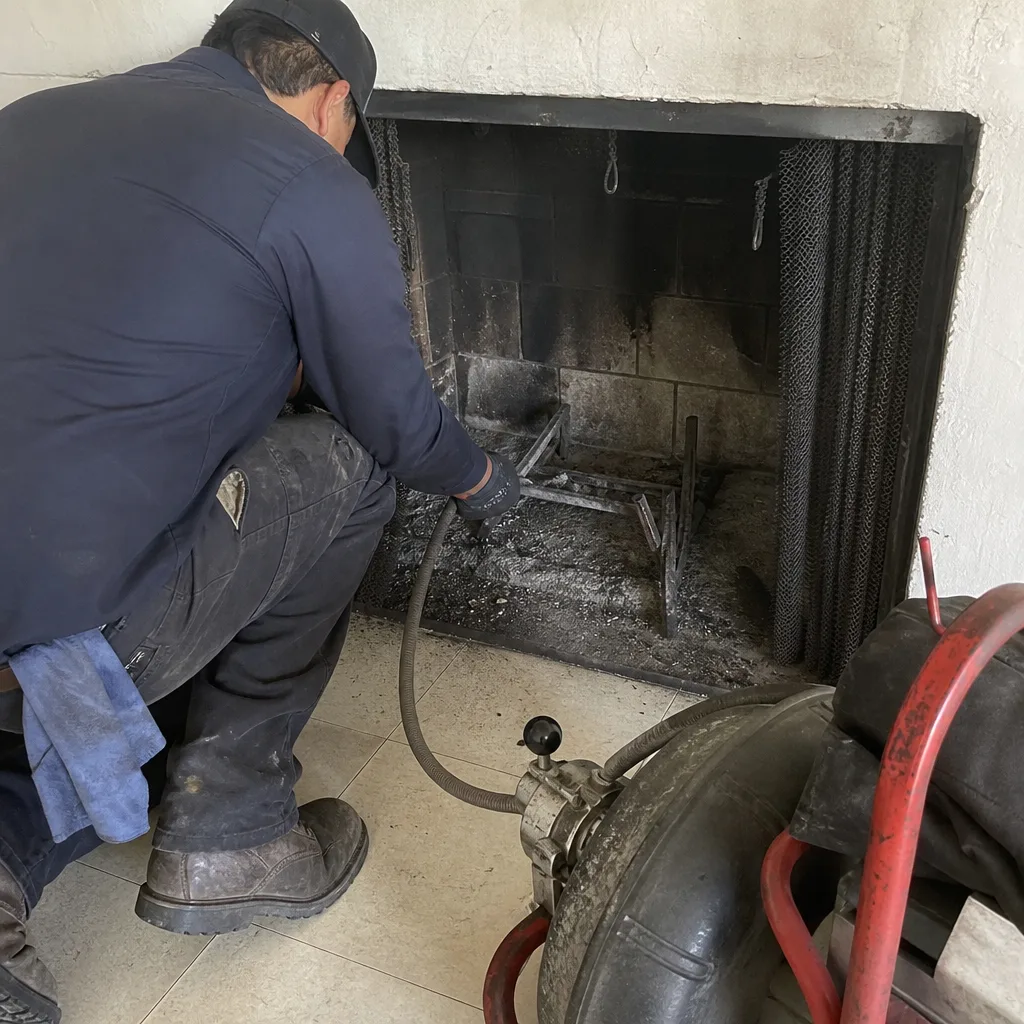 Before
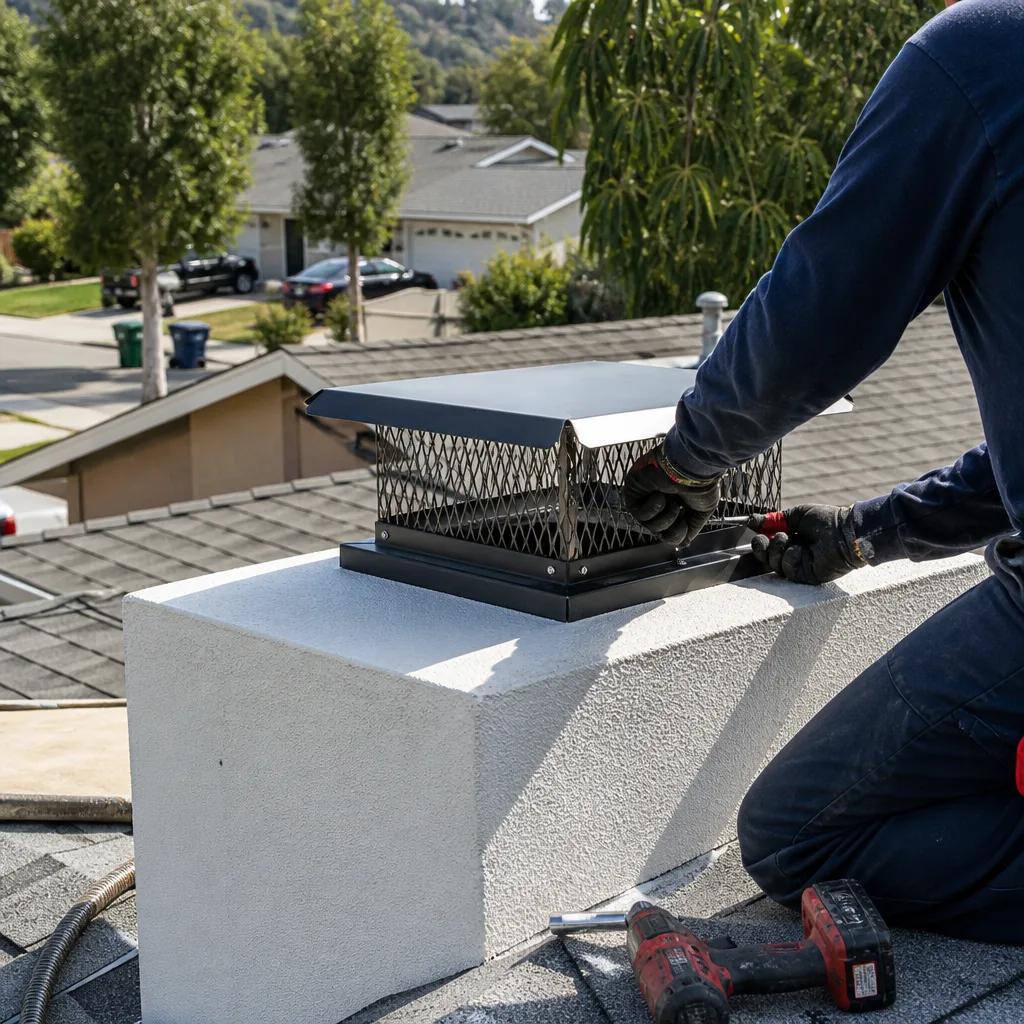 After
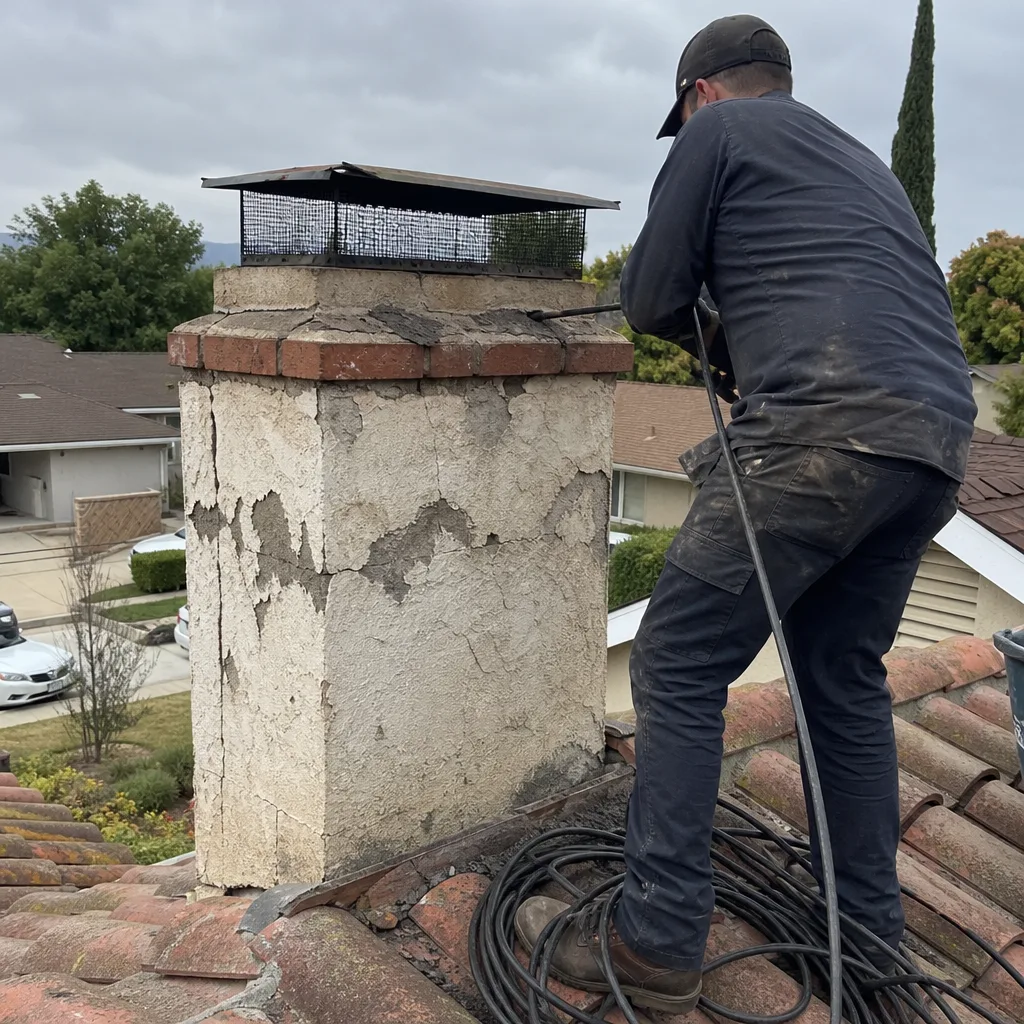
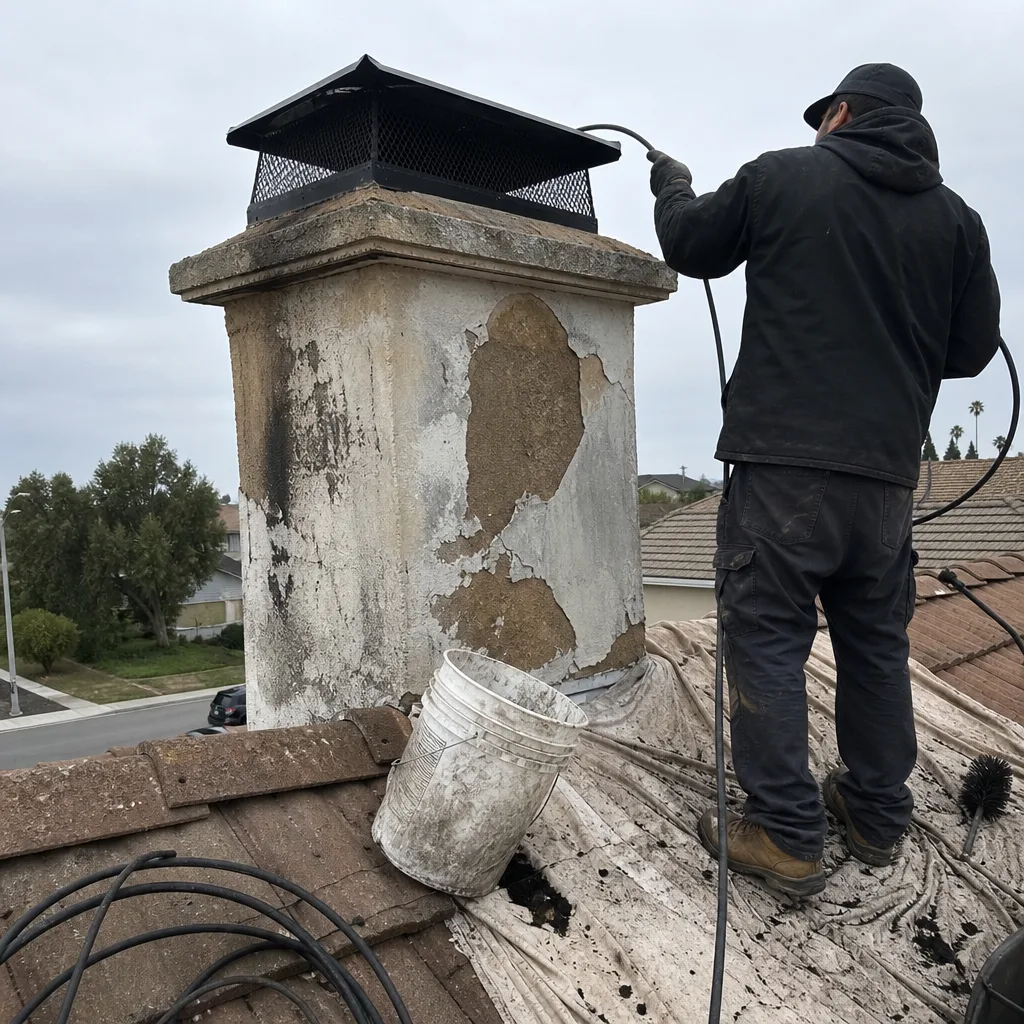 Before
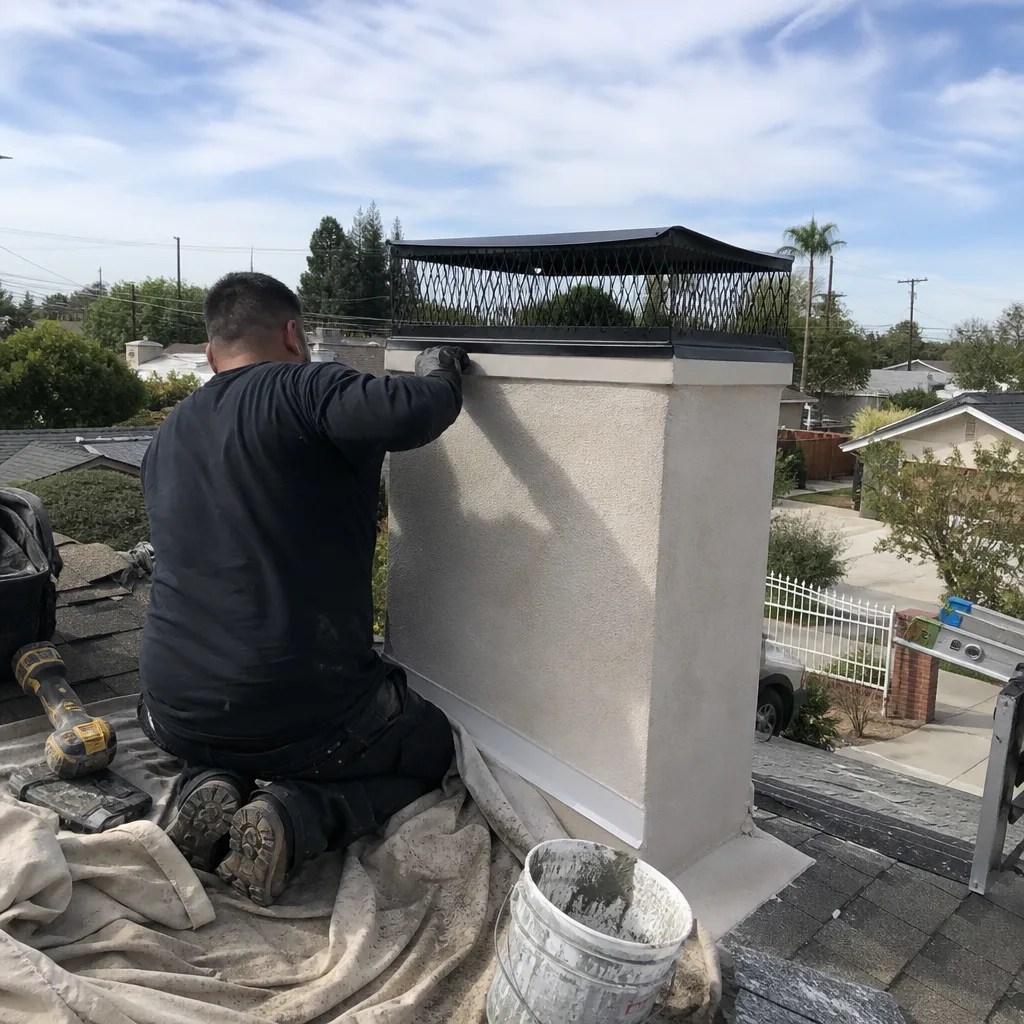 After
 Before
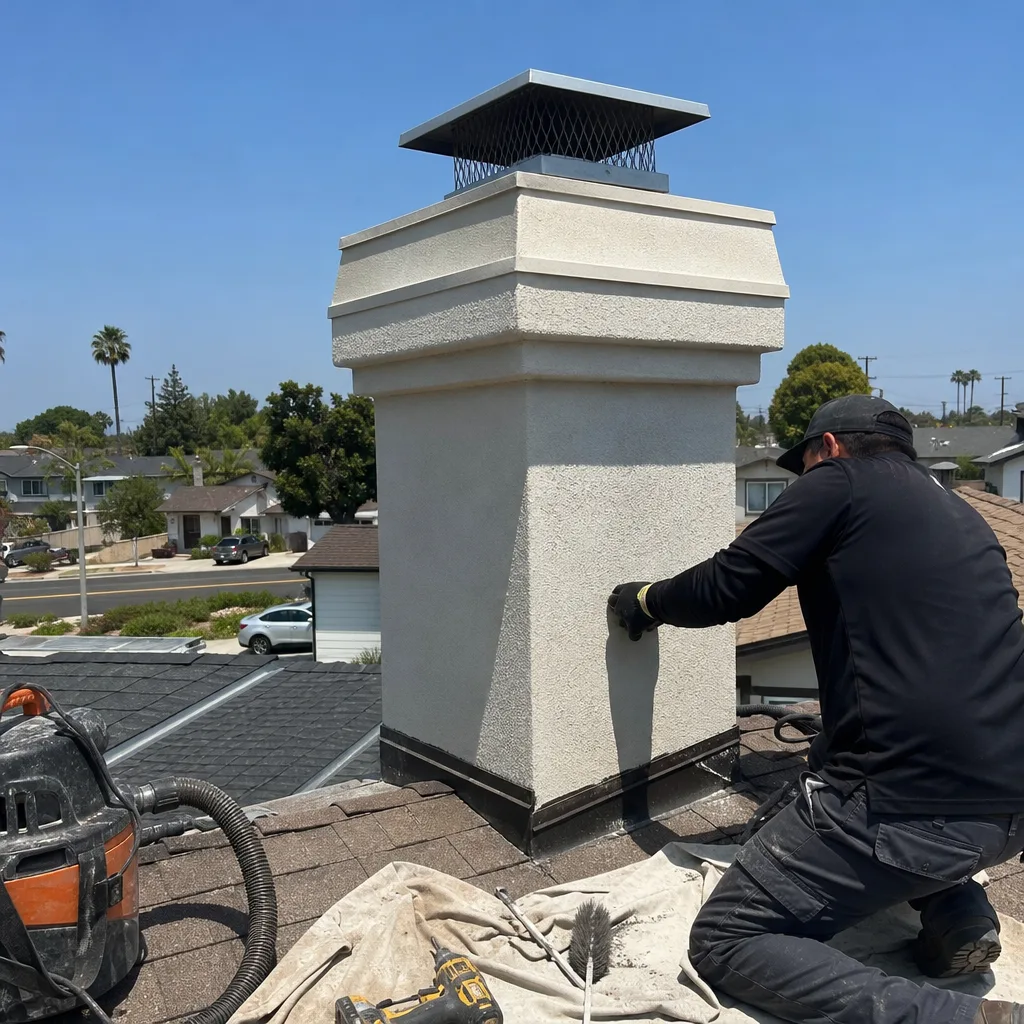 After
When to Call a Professional
Call a professional if you’ve had any chimney fire, even a small one, before using the fireplace again. Call if your CO detector has triggered while the fireplace was in use, regardless of what the fire department found. Call if smoke has entered your house more than once while burning. Call if you can see obvious flue damage, a missing cap, or a nest obstruction. And call for a pre-season sweep if you haven’t had one in over a year. Chimney Sweep La Habra offers free estimates in La Habra, call (866) 747-8330. We carry the inspection equipment, restoration materials, and liner systems to handle whatever the inspection finds, in one appointment. We also clear dryer vents during the same visit, since Dryer Vent Cleaning in South San Jose Hills addresses the other major ventilation fire risk in the home.
Frequently Asked Questions
You’ll know from one or more of these signs: a loud roaring sound from the flue, flames visible from the chimney top, thick smoke, a strong acrid smell like burning tar, or creosote flakes falling into the firebox. Afterward, cracked or pitted liner tiles visible in the firebox, creosote that looks bubbly or puffy, or roofing material damaged near the chimney confirm that a fire occurred.
A standard Level 1 inspection in La Habra typically runs $100 to $250 when combined with a sweep. A Level 2 inspection with video scanning, which is required after any chimney fire or structural event, typically runs $250 to $500. The exact price depends on chimney height, access difficulty, and whether additional reporting is needed for insurance. Call (866) 747-8330 for a specific quote.
No. Any chimney fire, regardless of how small it seemed, means the liner was exposed to temperatures it was not designed to sustain. The only safe path is a Level 2 inspection to confirm liner integrity. Using the fireplace before that inspection risks a second fire that spreads to the house structure.
Most standard California homeowners policies cover chimney fire damage, including liner replacement, if the fire is documented and the claim is filed promptly. Coverage depends on your specific policy and whether the damage is sudden and accidental. Gradual deterioration from neglect is typically not covered, which is why pre-season maintenance matters.
At minimum once per year if you use the fireplace at all, and more often if you burn fires more than twice a week during winter or burn green or unseasoned wood. The National Fire Protection Association recommends cleaning when creosote buildup reaches 1/8 inch, which for most La Habra households means an annual sweep.
A sweep removes creosote and soot from the flue. An inspection evaluates the condition of the liner, firebox, damper, cap, and surrounding structure. A professional visit should include both: cleaning to remove the flammable material, inspection to identify why it accumulated and whether structural problems exist. We perform both in one appointment.
The Bottom Line
Chimney emergencies in La Habra homes are predictable in their causes and preventable in their worst outcomes. Active chimney fires demand immediate evacuation and a 911 call, never water and never a return to the house before the fire department clears it. CO intrusion requires the same urgency and a professional inspection before the next fire. Draft failure is the early warning sign that something inside the flue is changing, and repeated episodes always have a structural cause. Preparedness means testing detectors, checking the cap and damper before burning season, and getting a professional sweep when creosote has had time to build. For more guides & resources, visit our blog. The chimney is a contained fire system, and when the containment fails, knowing what to do in the first five minutes determines whether you’re filing an insurance claim or rebuilding a fireplace.
Written by the team at Chimney Sweep La Habra, serving La Habra since 2014.